






Newsletter Subscribe
Enter your email address below and subscribe to our newsletter
Enter your email address below and subscribe to our newsletter

All voices matter
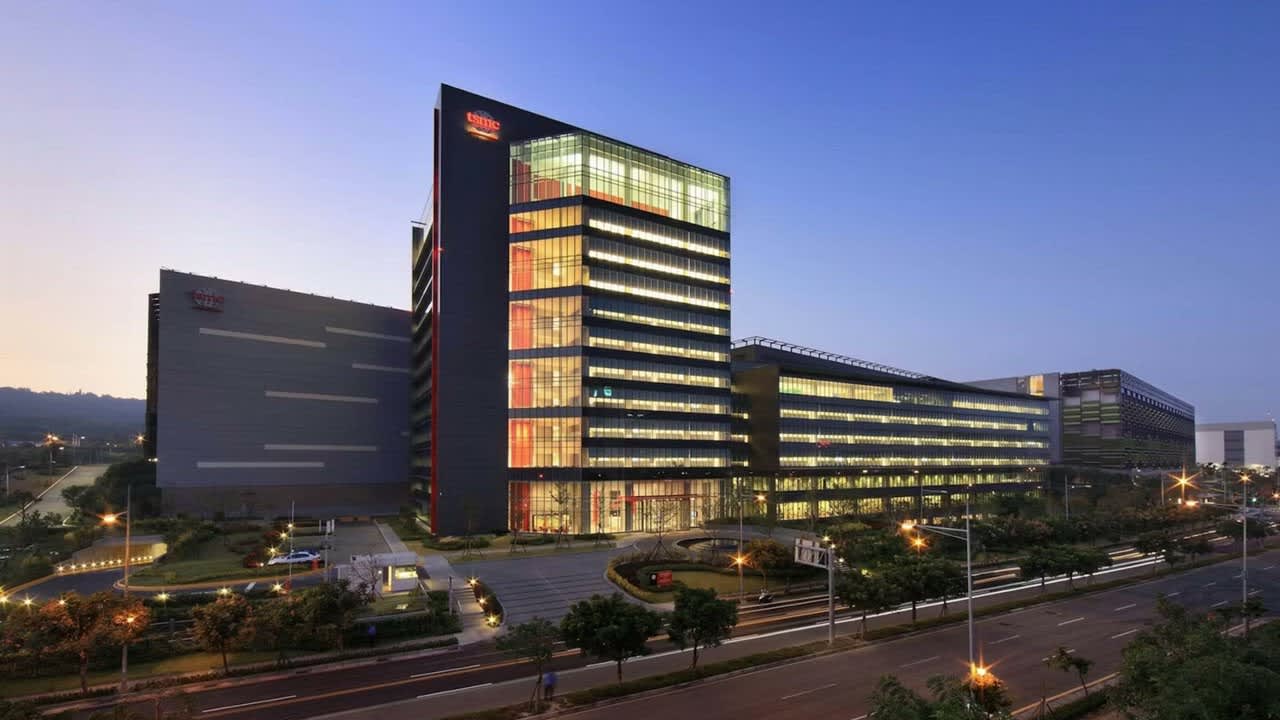
TSMC has slashed monthly wafer starts at its Fab 15A facility in Central Taiwan Science Park from roughly 200,000 to 150,000 units since early 2026, a reduction exceeding 25%, as the chipmaker accelerates a strategic pivot from legacy manufacturing toward advanced nodes and AI-driven packaging capacity.
Supply chain sources cited by Chinese financial outlet Gelonghui on June 22 confirmed the production cut, noting that TSMC is allocating more of the facility’s 28nm capacity to support interposer production while gradually phasing out low-margin orders. Shares of the world’s largest contract chipmaker rose in Taipei trading on Monday, breaking through the NT$2,500 mark.trendforce
The output reduction at Fab 15A is part of a broader overhaul first reported in May by Taiwan’s Economic Daily News. TSMC is converting the facility — originally dedicated to 28nm and 22nm processes — to support 4nm production, with legacy equipment being relocated and new tooling installed. The total investment, including cleanrooms and manufacturing equipment, is expected to exceed NT$100 billion.linkedin
Some of the displaced 28nm and 22nm equipment is being transferred to TSMC’s Dresden, Germany facility, which is slated to begin mass production on mature nodes for automotive and industrial customers in 2027.youtube
The shift reflects TSMC’s intensifying focus on AI and high-performance computing demand. Earlier this year, analysts noted that TSMC had already added approximately 20,000 wafers per month of 55nm/65nm capacity specifically for interposer production in 2025, underscoring the sustained pressure from AI semiconductor demand.linkedin
TSMC CEO C.C. Wei said in early June that the company is “intensely focused” on fulfilling demand and expressed confidence that revenue would rise by another 30% in 2026, according to Reuters. The company reported first-quarter 2026 revenue of $25.9 billion, a 36% year-over-year increase in U.S. dollar terms.reuters
The capacity reallocation marks a deliberate retreat from the price-competitive mature-node market, where Chinese rival SMIC has aggressively undercut pricing on 28nm wafers, and a bet that margins on advanced packaging and leading-edge logic will more than compensate for lost legacy volume.substack