





Newsletter Subscribe
Enter your email address below and subscribe to our newsletter

Enter your email address below and subscribe to our newsletter
All voices matter
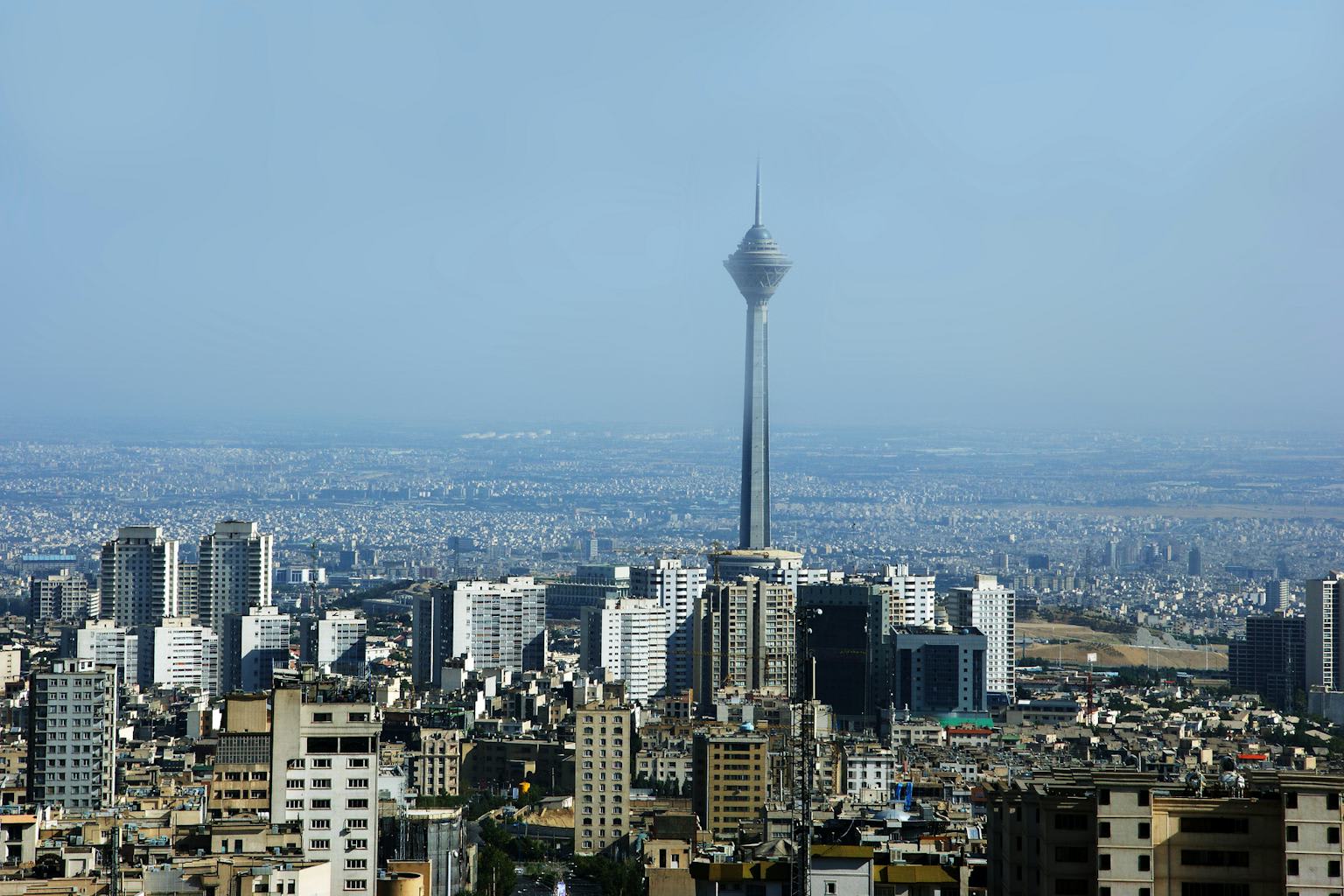
A draft memorandum of understanding between the United States and Iran contains a proposed $300 billion reconstruction and investment program for Tehran, according to an Iranian lawmaker and reporting from The New York Times, adding a striking economic dimension to the emerging framework aimed at ending the three-month-old war.
The reconstruction program, described by an Iranian official as contingent on the signing of a final peace agreement, would be financed not by the United States but by Gulf Arab states and potentially China, according to The New York Times. The Gulf countries have discussed the fund internally, and many observers expect Beijing to participate, given China’s existing 25-year strategic cooperation agreement with Iran and its interest in regional stability.chathamhouse
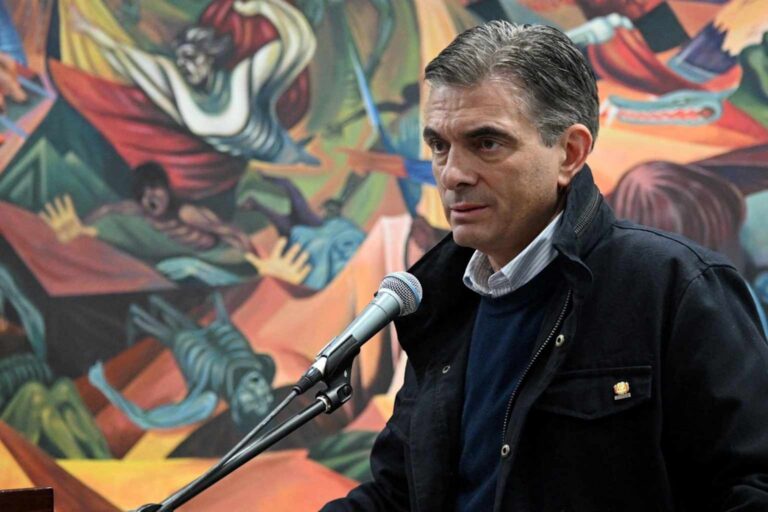
Iranian lawmaker Meysam Zohourian, secretary of parliament’s Economic Committee, disclosed the figure on the social media platform X, writing that the draft includes “a promised $300 billion reconstruction program for Iran if a final agreement is signed”. One Iranian official and a diplomat confirmed the amount to The New York Times, though other mediators declined to verify the specific figure.nytimes
The fund appears designed to address Iran’s demand for war reparations. In April, the Iranian government estimated losses of approximately $270 billion from direct and indirect damage since the conflict began on February 28. Some Iranian estimates have ranged as high as $1.3 trillion for full national restoration.aljazeera
The 14-point memorandum has been shaped by Trump’s Middle East envoy Steve Witkoff and son-in-law Jared Kushner, both former real estate investors. Their dual role as negotiators and private investors has drawn scrutiny. The New York Times Magazine reported in late April on what it called “the profitable business of peace,” noting Kushner’s firm Affinity Partners has been simultaneously raising billions from Gulf states including Saudi Arabia while leading Iran negotiations.youtube
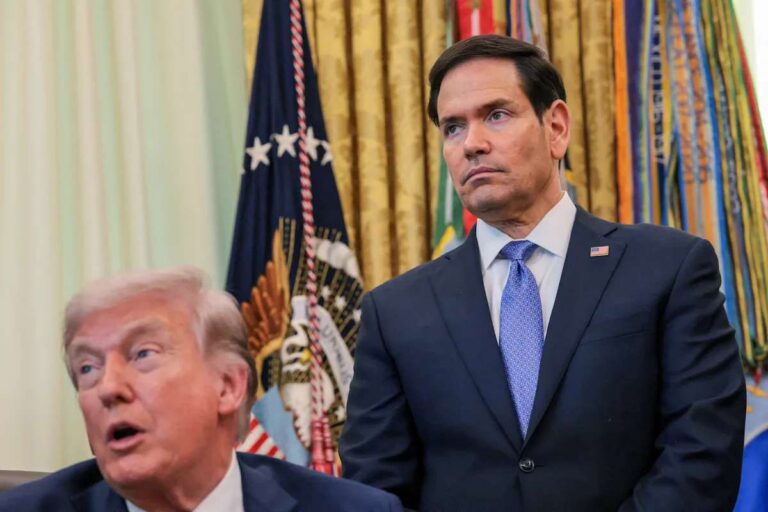
Vice President JD Vance said Thursday that the two sides are “very close” to finalizing the agreement, though they continue to deliberate over wording and nuclear-related issues. President Trump has requested a few days to consider the latest draft after mediators indicated Iran was amenable to the framework.nytimes
The memorandum would establish a 60-day negotiation period to resolve core disputes, including Iran’s nuclear program and enriched uranium stockpile. Iran would reopen the Strait of Hormuz within 30 days, while the United States would lift its naval blockade of Iranian ports. However, no economic relief would flow to Tehran until nuclear commitments are verified, U.S. officials emphasized.thesoufancenter
Whether the reconstruction fund survives final negotiations remains uncertain. Trump officials have stressed that any financial benefits for Iran are tied to a completed and verified final accord — not merely the memorandum itself.thesoufancenter