Newsletter Subscribe
Enter your email address below and subscribe to our newsletter
Enter your email address below and subscribe to our newsletter

All voices matter
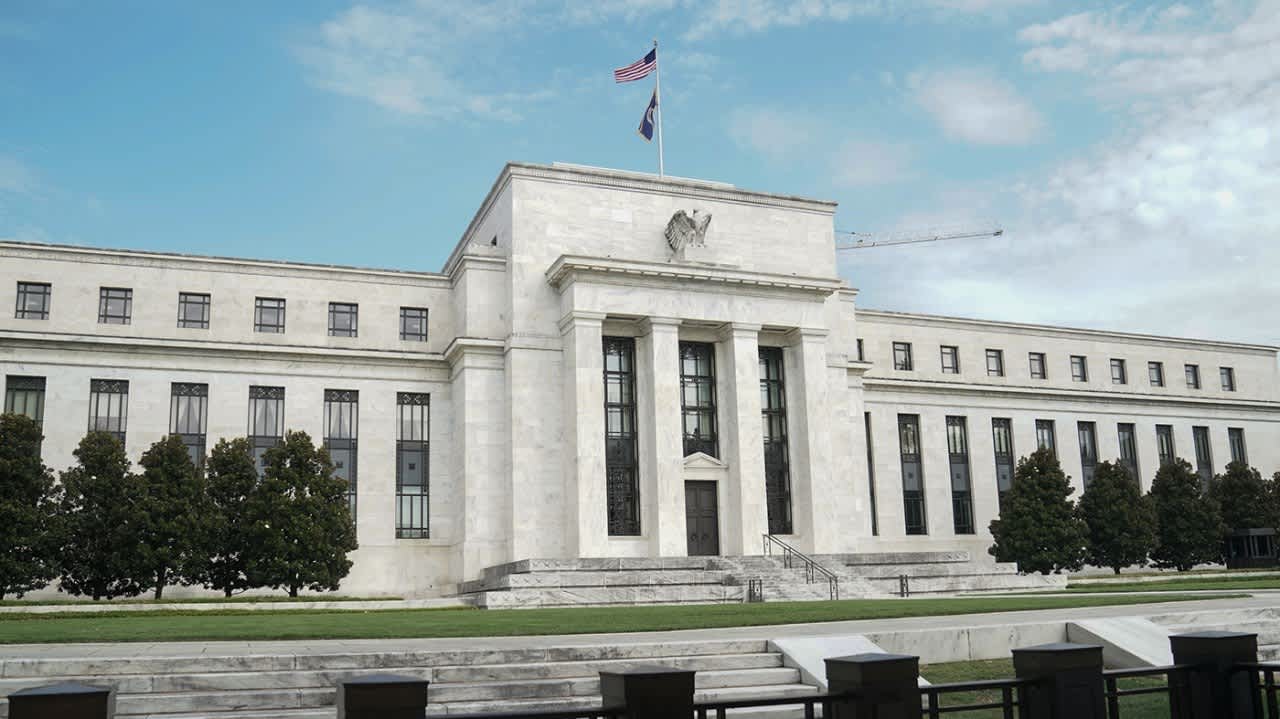
The European Parliament’s Economic and Monetary Affairs Committee on Tuesday approved the digital euro regulation by a vote of 43 to 14, clearing a major legislative hurdle for what would become the eurozone’s first central bank digital currency. The vote came just hours after the U.S. Senate passed a housing bill that includes a provision banning the Federal Reserve from issuing a digital dollar through 2030, underscoring a widening transatlantic split on digital currency policy.coinness
The ECON committee’s approval sends the proposed regulation toward a full European Parliament plenary vote expected in July, after which negotiations with EU member states and the European Commission would begin to finalize the text. The European Central Bank has targeted a 2029 launch for the digital euro, with a pilot phase expected to begin in the second half of 2027.spendnode
The legislation envisions a digital currency that functions both online and offline, complementing physical cash rather than replacing it. It includes privacy protections requiring zero-knowledge proofs and bars the ECB from accessing personal transaction data, while imposing holding caps and zero interest to limit the impact on commercial bank deposits. The Bank of Italy called the vote “a project of strategic importance for the future of payments in the euro area”.bancaditalia
ECB Executive Board member Piero Cipollone told the committee earlier this month that the digital euro would provide “uniform open standards across the euro area, ensuring that all payment cards, phones and terminals speak the same European language that we have created and own ourselves”.europa
The same week, the U.S. Senate voted 85 to 5 on Monday to pass the 21st Century ROAD to Housing Act, which prohibits the Federal Reserve from directly or indirectly issuing a retail CBDC or any “substantially similar” digital asset through December 31, 2030. The bill explicitly exempts private, permissionless stablecoins from the ban. According to Cointelegraph, the House has since passed the bill, sending it to President Trump’s desk.cointelegraph
The CBDC ban was folded into the housing legislation after earlier standalone efforts in Congress. The Senate had passed a prior version 89 to 10 in March, and the House cleared its own version 396 to 13 in May, reflecting broad bipartisan opposition to a Fed-issued digital dollar.spendnode
The divergence reflects fundamentally different assessments of state-backed digital money. European policymakers view the digital euro as a tool to reduce the bloc’s reliance on U.S.-controlled payment networks such as Visa and Mastercard, while American lawmakers have framed a CBDC as a threat to financial privacy and the private sector’s role in payments. Regulated crypto firms are named in the EU legislation as potential distributors, placing the digital euro alongside euro stablecoins in the same digital wallet ecosystem.youtube
The ECON committee vote is not the final step. As the Bank of Italy noted, negotiations between the Parliament, Council, and Commission must still produce a final text before the law can take effect.bancaditalia