Newsletter Subscribe
Enter your email address below and subscribe to our newsletter
Enter your email address below and subscribe to our newsletter

All voices matter

European sovereign bond yields extended their decline on Wednesday as a continued slide in global oil prices eased inflation concerns and offered relief to fixed-income markets that have been battered by months of energy-driven price pressures.
Germany’s 10-year Bund yield slipped below 2.91%, down from 2.924% at the previous close, according to MarketWatch data. France’s 10-year government bond yield eased to around 3.55%, while the UK 10-year gilt yield fell to 4.74%. The moves marked a broad-based rally across European government debt, with shorter-dated maturities also declining.marketwatch
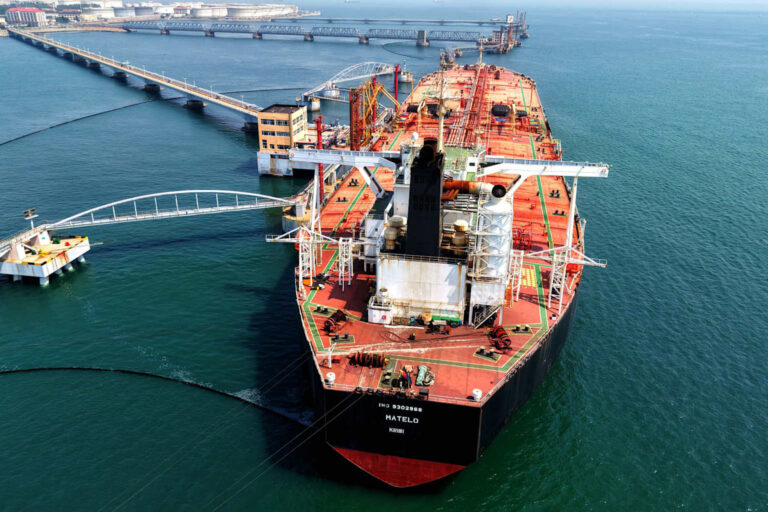
The catalyst has been a sharp and sustained drop in crude oil prices tied to diplomatic progress between the United States and Iran. Brent crude fell toward $75.50 a barrel on Wednesday, down roughly 21% over the past month, according to Trading Economics. The New York Times reported Monday that Iran’s foreign minister cited “significant advancements” toward a lasting peace deal during high-level talks in Switzerland, sending Brent below $79. Bloomberg reported that tankers are now openly transiting the Strait of Hormuz with satellite signals active, reflecting growing confidence among vessel operators.bloomberg
The oil price collapse reverses a punishing run-up that saw Brent surge above $120 a barrel earlier this year as the conflict between the US-Israel coalition and Iran disrupted Persian Gulf shipping routes. That energy shock pushed eurozone headline inflation to 3.2% in April and prompted the European Central Bank to raise its key policy rate by 25 basis points to 2.25% on June 11 — its first hike since September 2023.apnews
While lower energy costs are pulling headline inflation expectations down — two-year US breakeven rates have dropped from 3% to 2.75% alongside the oil retreat, according to CME Group — analysts caution that the ECB’s tightening cycle is far from over. Core eurozone inflation reached 2.5% in April, driven largely by sticky services costs. Goldman Sachs analysts expect core inflation to rise to 2.7% by mid-2027 before gradually returning to target.morningstar
Markets are still pricing in additional ECB rate hikes this year. As one Bank of Ireland analysis noted, the “scope and duration” of the Iran conflict’s economic effects remain unclear even as the immediate oil shock fades. For bond investors, the question is whether the diplomatic thaw will hold — or whether the next disruption to Hormuz shipping could send yields climbing once again.cnbc