Newsletter Subscribe
Enter your email address below and subscribe to our newsletter
Enter your email address below and subscribe to our newsletter

All voices matter
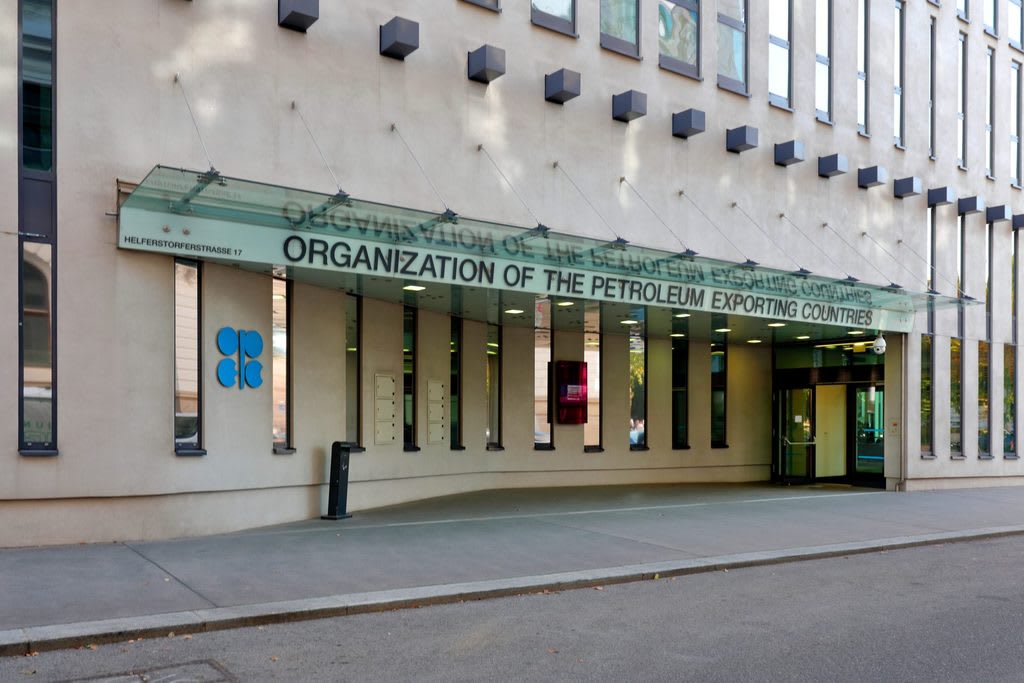
The U.S. Energy Information Administration reported this week that the United Arab Emirates’ departure from OPEC, effective May 1, 2026, reduced the group’s share of global crude oil production from 35% to 31% and cut the broader OPEC+ coalition’s share from approximately 46% to 42%, based on 2025 production figures.chinimandi
The EIA analysis, published June 22, provides the most detailed accounting yet of how the UAE’s exit reshapes the balance of power in global oil markets at a time when the Middle East faces unprecedented disruption from the effective closure of the Strait of Hormuz.eia
The UAE joined OPEC as the emirate of Abu Dhabi in 1967 and held the third-largest crude oil production capacity in the group behind Saudi Arabia and Iraq. It produced an average of 3.4 million barrels per day of crude oil in 2025, with an estimated 4.2 million b/d of effective production capacity. The country cited a need for greater production flexibility and alignment with its long-term energy strategy in announcing its withdrawal on April 28.enerdata
Saudi Arabia remains OPEC’s dominant member as the world’s second-largest oil producer at 9.3 million b/d in 2025, behind only the United States, with an estimated 11.6 million b/d of effective production capacity.eia
The EIA noted that these structural changes occurred against the backdrop of the conflict in Iran that began on February 28, 2026, and the effective closure of the Strait of Hormuz, which has constrained Gulf production levels. Iran’s Islamic Revolutionary Guard Corps confirmed the closure in early March, and while recent diplomatic efforts have partially reopened the waterway, the main central channel remains mined.reuters
Both Saudi Arabia and the UAE have been able to reroute some exports — Saudi Arabia via its East-West pipeline to the Red Sea port of Yanbu, and the UAE through the Abu Dhabi Crude Oil Pipeline to Fujairah in the Gulf of Oman. The UAE has announced plans to double ADCOP’s capacity to 3.6 million b/d by 2027.eia
The loss of the UAE weakens OPEC+’s ability to coordinate output at a time when the coalition’s production targets are already largely academic due to the Hormuz disruption. U.S. independent producers have begun ramping output in response, though the EIA still estimates average daily U.S. crude production will hold at 13.6 million b/d in 2026. The agency projects Brent crude will average $95 per barrel this year, up from $69 in 2025, driven largely by the Iran conflict.aapg