Newsletter Subscribe
Enter your email address below and subscribe to our newsletter
Enter your email address below and subscribe to our newsletter

All voices matter
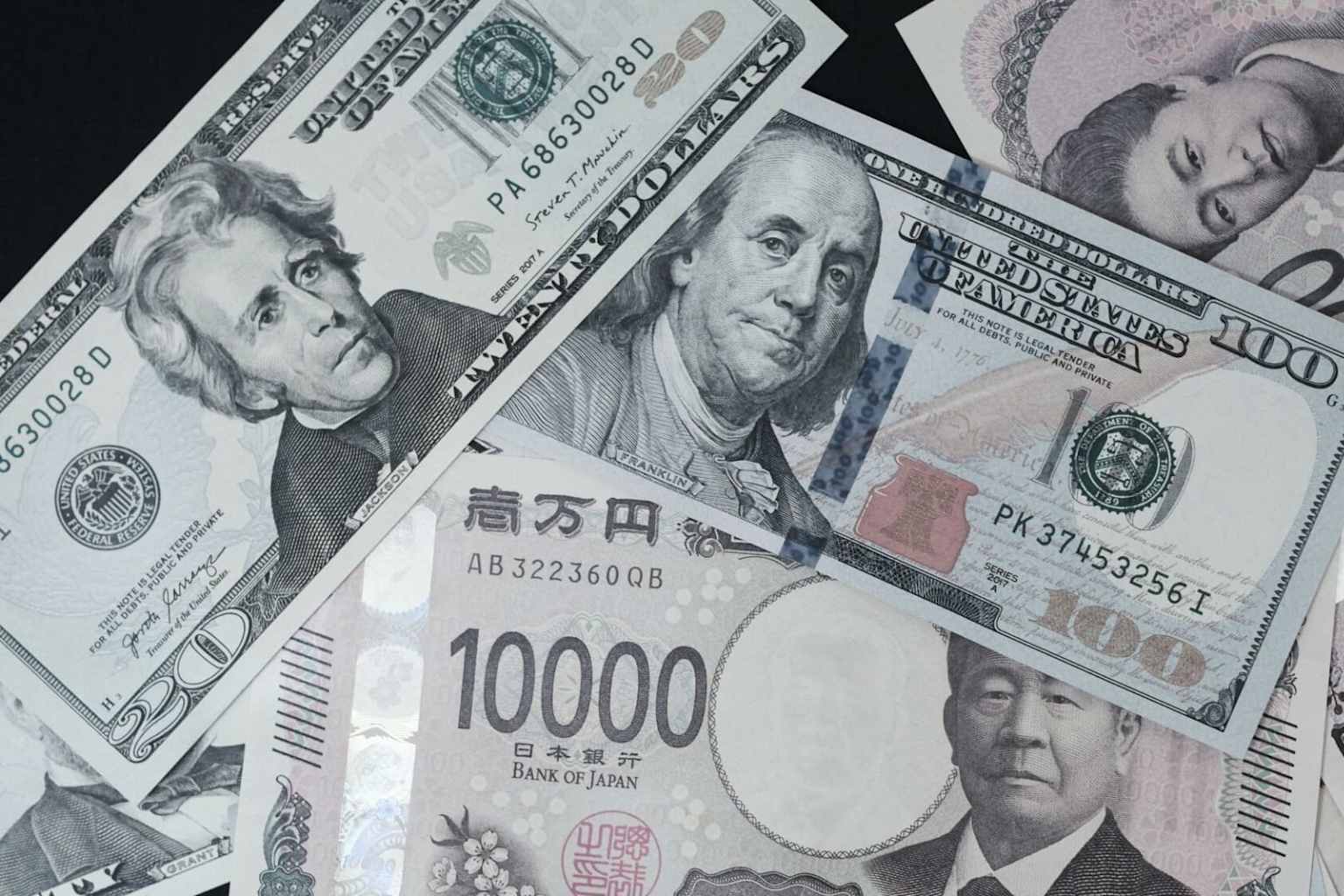
The U.S. dollar surged to a 13-month high on Wednesday, battering currencies across Asia and pushing the Japanese yen dangerously close to a 40-year low that has put markets on intervention watch.
The dollar index climbed to 101.80 on Wednesday, its highest level since May 2025, as traders priced in growing expectations of Federal Reserve rate hikes later this year. A recent selloff in technology stocks added to demand for the greenback as a safe-haven asset. CME FedWatch data showed markets pricing a 32% probability of a rate increase at the Fed’s July meeting and a 66% chance of a hike by September.reuters
The yen traded at approximately 161.70 per dollar on Wednesday, within striking distance of the 161.96 level last seen in July 2024. A breach of that mark would bring the currency to its weakest since 1986. The Indian rupee closed at 94.665 per dollar after the Reserve Bank of India intervened through state-owned banks to stem losses. The Thai baht weakened to 33.41 per dollar, its lowest in more than a year.reuters
Japanese Finance Minister Satsuki Katayama confirmed on Tuesday that she held a nearly one-hour online meeting with U.S. Treasury Secretary Scott Bessent the previous evening to discuss global financial markets, including currency developments. “We have firmly agreed to take decisive actions, if necessary,” Katayama told reporters, adding that the bilateral stance on intervention “remains entirely unchanged”.yomiuri
The meeting came after the yen briefly dropped to around ¥161.90 on Monday evening. Japan spent ¥11.7 trillion (approximately $72.5 billion) on intervention from late April to late May but has so far failed to reverse the yen’s slide. BNY strategists warned that intervention risk has escalated as the currency breaches levels that previously prompted official action.fxstreet
Analysts say the wide interest rate gap between the United States and Japan remains the fundamental driver of yen weakness, and that intervention alone cannot durably reverse the trend. MUFG Research noted that the Bank of Japan would need to signal a more hawkish path, combined with an easing of Fed rate-hike expectations, to shift the trajectory. Asia Times reported that Deutsche Bank now expects two 25-basis-point Fed hikes under Chair Kevin Warsh, whose hawkish posture has compounded pressure on regional currencies from Tokyo to Jakarta.mufgresearch