Newsletter Subscribe
Enter your email address below and subscribe to our newsletter
Enter your email address below and subscribe to our newsletter

All voices matter
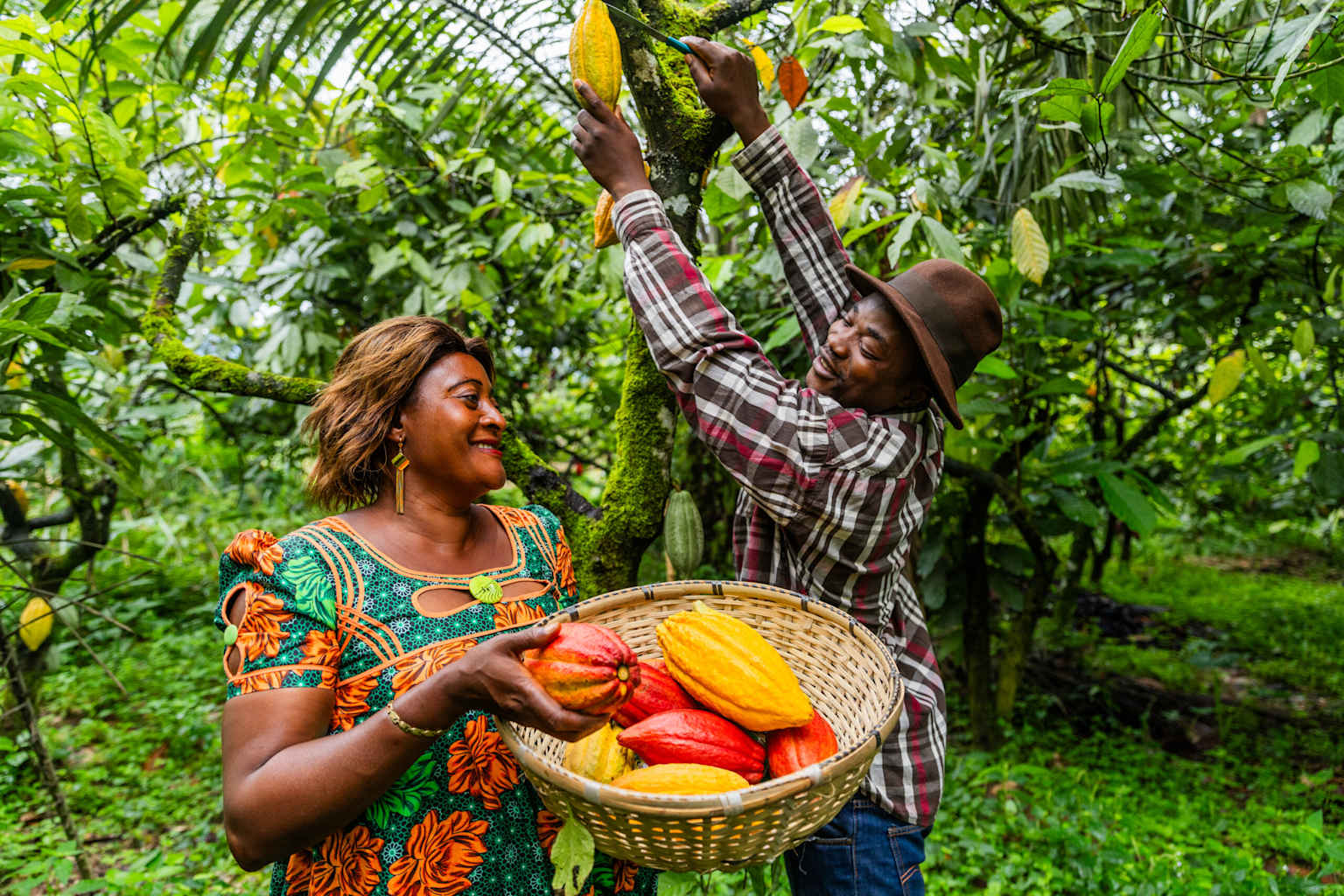
A developing El Niño weather pattern with a roughly two-in-three chance of reaching “strong” or “very strong” intensity is sending shockwaves through global agricultural commodity markets, disrupting coffee harvests in Brazil, threatening cocoa output in West Africa, and deepening India’s monsoon crisis.
The U.S. National Oceanic and Atmospheric Administration confirmed the onset of El Niño earlier this month and projected a 63% likelihood of the event intensifying into a “super El Niño” by early 2027, according to Reuters. NOAA’s Climate Prediction Center puts the probability of El Niño persisting through the December 2026–February 2027 winter at 96%. “There is a 2-in-3 chance of a ‘strong’ or ‘very strong’ El Niño during the November 2026 to January 2027 season,” said Michelle L’Heureux, NOAA’s ENSO team lead.washingtontimes
The World Meteorological Organization estimates an 80% probability of El Niño developing during June–August 2026 and a 90% chance it persists through at least November.cocoaradar
Cocoa futures rose roughly 7% in a single session on June 24, trading near the $5,000-per-ton mark on fears the weather pattern will damage next season’s West African harvest. London cocoa futures have rallied nearly 15% over the past week. Barry Callebaut CEO Hein Schumacher warned on June 2 that El Niño could add “a few thousand pounds per metric ton” to cocoa prices.reuters
In Brazil, the world’s top coffee producer, unseasonable rains linked to El Niño halted harvest operations for days in Minas Gerais in mid-June, with at least 10% of berries reported to have fallen from trees, according to Reuters. Harvest progress in the Cerrado Mineiro region reached only 18% by the third week of June. Robusta coffee futures also surged, with Citi analysts warning that dry conditions in Vietnam and Indonesia could “considerably diminish robusta coffee yields”.reuters
India’s southwest monsoon recorded a 46% rainfall deficit by June 20, with only 45.6 mm of rain against the seasonal normal of 84.4 mm, according to the India Meteorological Department. The IMD has cut its seasonal monsoon forecast to 90% of the long-period average, raising the probability of a deficient season to 60%.indiatoday
The consequences are already playing out in policy. On May 13, India prohibited sugar exports until September 30 to safeguard domestic supplies. Reuters reported on June 22 that India, once the world’s second-largest sugar exporter, is unlikely to ship any surplus for at least three more seasons as El Niño and rising ethanol demand squeeze cane production. Traders and industry officials warned the country could remain “largely absent” from global sugar trade for years.indiatoday
With the IMD expecting El Niño conditions to strengthen through the monsoon season, the outlook for India’s rain-fed agriculture — and the global commodities that depend on it — remains precarious.moneycontrol