







Newsletter Subscribe
Enter your email address below and subscribe to our newsletter

Enter your email address below and subscribe to our newsletter
All voices matter
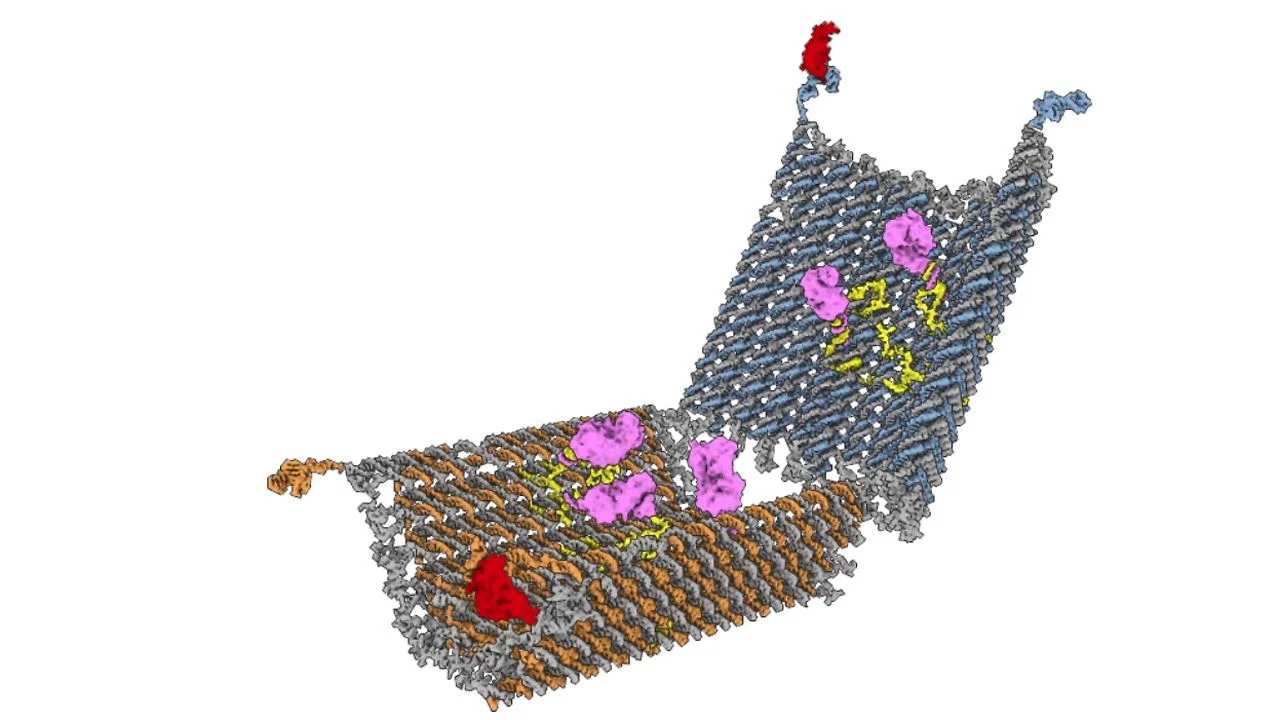
Researchers at the University of Basel in Switzerland have developed a modular nanorobot that uses complementary DNA strands to autonomously snap its components together, a design they liken to a miniature lunar rocket. The system, published in Advanced Functional Materials, reduced cancer cell viability to 16% within 72 hours in laboratory tests.sflorg
The nanorobot consists of a magnetic propulsion module and a payload capsule connected by what the team calls a DNA-based “molecular Velcro” system. Complementary DNA strands on both modules ensure they self-assemble in a programmable manner and remain stably coupled.sflorg
The payload capsule houses four nanoscale polymer vesicles that protect encapsulated enzymes. Molecules can enter through pores, be processed by the enzymes, and their products released into the surrounding environment. “Previous nanorobots are often designed for a specific task only,” said Professor Cornelia Palivan, who led the research. “Our modular system, on the other hand, can be adapted to different applications.”sflorg
The team tested the system on HeLa cancer cells. Equipped with docking biomolecules, the nanorobots accumulated on cell surfaces, and when loaded with the necessary enzymes, they locally produced an anticancer drug. “The drug can have a concentrated local effect if we use our nanorobot to specifically target it to the cancer cells,” said Dr. Voichita Mihali, first author of the study.sflorg
Because the propulsion module is magnetic, the nanorobots can be retrieved after completing their task. The researchers demonstrated they could separate the modules, refill the payload capsules, and recombine them — a reusability feature with potential value for industrial catalysis and environmental remediation.youtube
The work was conducted within the Swiss National Center of Competence in Research on Molecular Systems Engineering and the Swiss Nanoscience Institute, with collaborators at Heidelberg University. While use in humans remains a long-term goal, the platform can be adapted to different domains simply by modifying the payload capsule — positioning it as a versatile tool for targeted medicine, catalysis, and water purification.myscience