







Newsletter Subscribe
Enter your email address below and subscribe to our newsletter

Enter your email address below and subscribe to our newsletter
All voices matter
The Trump administration’s decision to impose export controls on Anthropic’s most advanced AI models has set off a widening international debate over how governments should regulate frontier artificial intelligence, with allies, lawmakers, and industry leaders warning the move could undermine American competitiveness while doing little to address the cybersecurity threats it was designed to prevent.
On June 12, the Commerce Department issued an export control directive ordering Anthropic to suspend all access to its Fable 5 and Mythos 5 models by any foreign national, whether inside or outside the United States — including Anthropic’s own non-U.S. employees. Anthropic said it received the directive at 5:21 p.m. ET and was forced to disable both models entirely for all customers to ensure compliance, just three days after Fable’s launch. The order came after officials learned of a potential method to “jailbreak” Fable 5, extracting data useful for cyberattacks.reuters
A Washington Post opinion piece published on June 15 called the government’s action “the most drastic measure at their disposal,” arguing that the export ban “ultimately failed to mitigate the very threat it aimed to confront” because rival nations and adversaries are already racing to develop comparable capabilities. The editorial board warned that restricting American AI companies could hand advantages to competitors operating under fewer constraints.washingtonpost
The restrictions rattled U.S. allies as AI leaders gathered at the G-7 summit, where the ban cast a shadow over discussions about democratic cooperation on technology governance. Al Jazeera reported that the directive has “further strained alliances,” with artificial intelligence emerging as a point of contention between the United States and its partners. A bipartisan group of House lawmakers demanded answers from the administration about the sweeping restrictions, while a group of cybersecurity executives urged the White House to lift the directive, arguing the move “could help U.S. adversaries more than it hurts them”.actionnewsjax
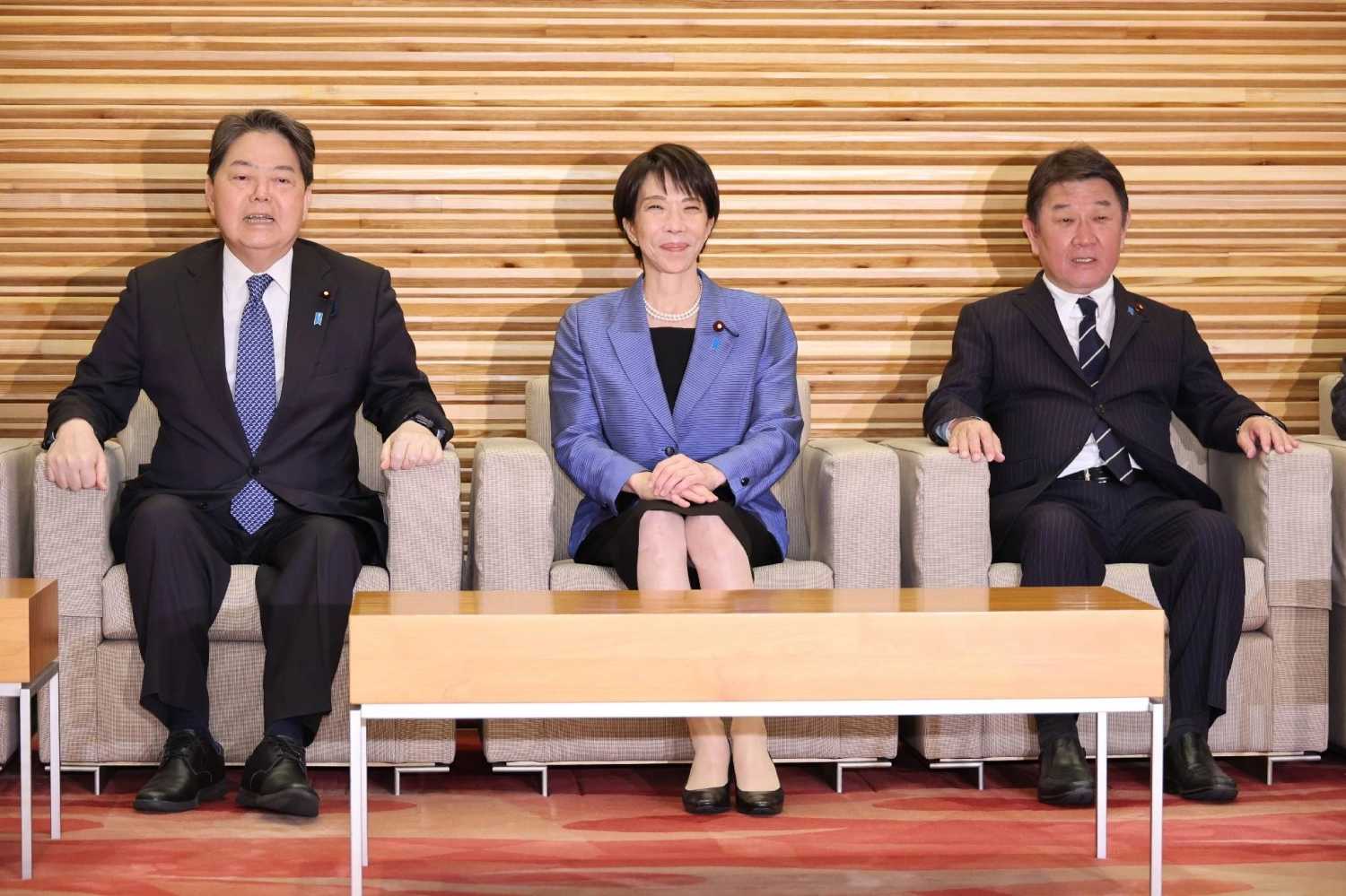
On Friday, Japan released a draft revision of its Artificial Intelligence Basic Plan, citing growing risks from advanced AI models — naming Anthropic’s Claude Mythos specifically — and pledging enhanced international cooperation with foreign government agencies and AI developers to address threats including AI-enabled cyberattacks and misinformation. The draft also includes support for developing technologies to detect AI-generated content.nippon
The Japanese plan underscores how the U.S. restrictions have accelerated a global reckoning over frontier AI governance, pushing allies to develop their own frameworks rather than rely solely on American-led approaches. As Anthropic noted in its original statement, access to all other models remains unaffected while the company works with the government on compliance.anthropic