







Newsletter Subscribe
Enter your email address below and subscribe to our newsletter

Enter your email address below and subscribe to our newsletter
All voices matter
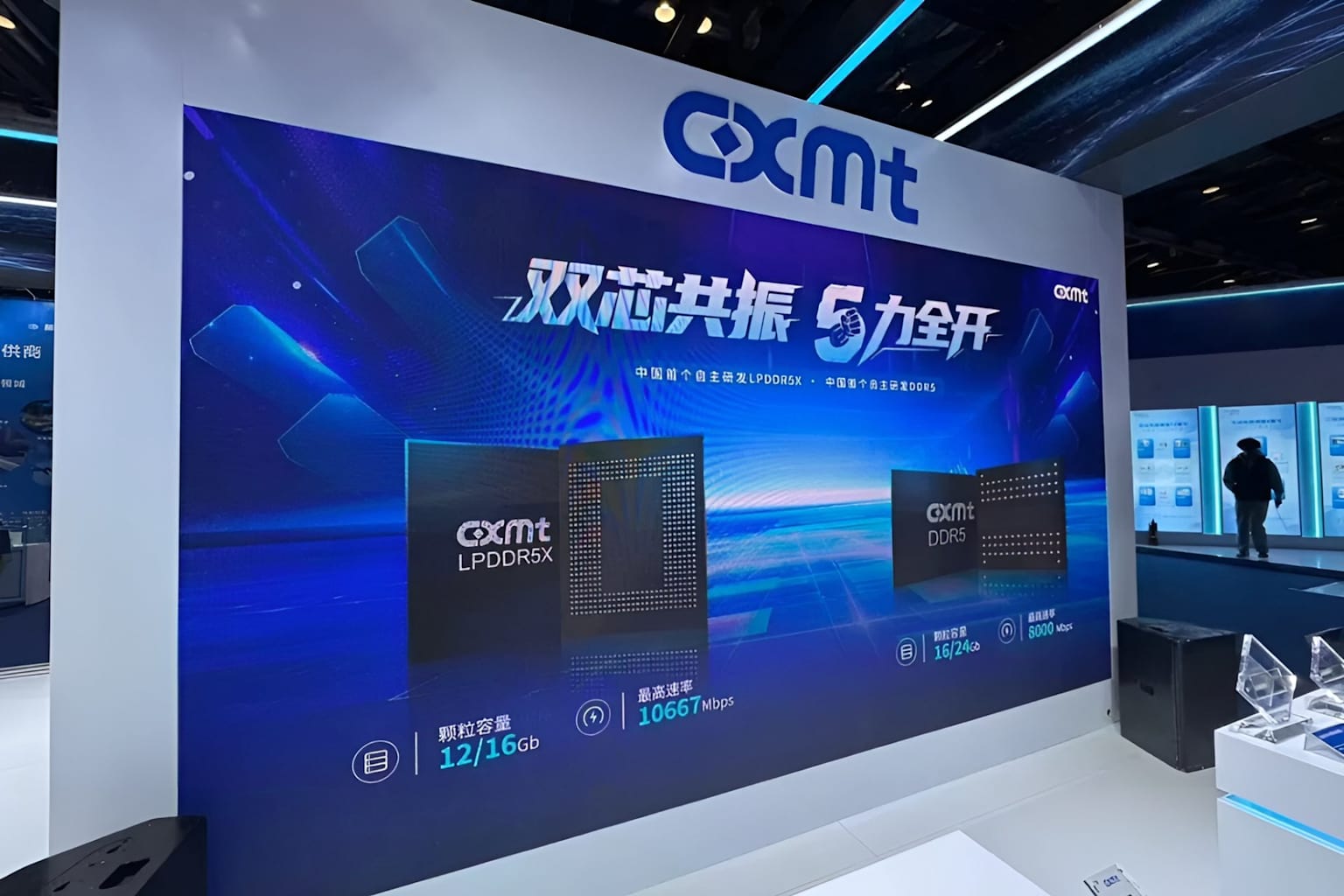
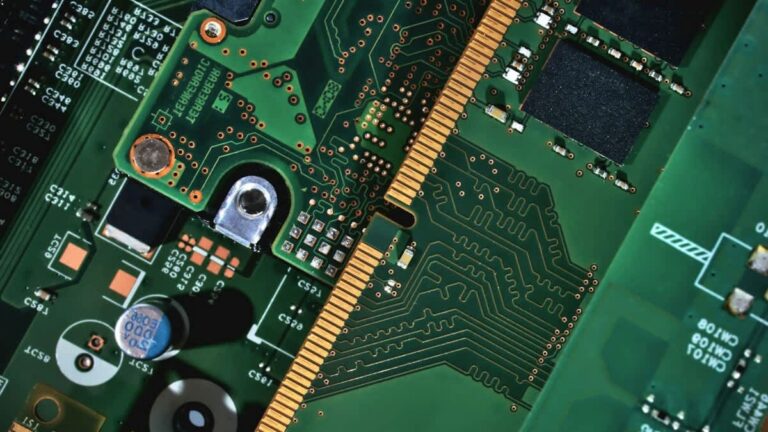
PC manufacturers including HP are in discussions with supply-chain partners about incorporating memory chips from Chinese maker ChangXin Memory Technologies into products destined for the Asian market, according to the Wall Street Journal. The talks mark a new chapter in the global memory crisis, as companies scramble for alternatives to the three dominant DRAM suppliers amid prices that have roughly doubled since late 2025.wsj
The global DRAM market is controlled by Samsung Electronics, SK Hynix, and Micron Technology, which together produce more than 90% of the world’s memory chips. All three have been redirecting capacity toward high-margin AI and data-center applications, leaving PC and smartphone makers facing tight supply and soaring costs.wsj
Contract prices for conventional DRAM rose by as much as 98% in the first quarter of 2026, according to TrendForce, and are expected to climb another 58 to 63% in the current quarter. HP cut its full-year profit forecast in late May, citing the memory shortage as a drag on margins. Data centers are projected to consume more than 70% of high-end memory chip output in 2026.theregister
CXMT, based in Hefei, China, captured roughly 8% of the global DRAM market in the first quarter of 2026, making it the fourth-largest supplier worldwide. The company’s revenue surged 719% year-over-year in Q1 to 50.8 billion yuan, swinging from losses to profitability. In May, it cleared the Shanghai Stock Exchange’s listing review for its STAR Board, advancing a roughly $4 billion initial public offering.indoneo
HP had been evaluating CXMT’s products since at least early this year, with plans to monitor supply conditions through mid-2026 before making sourcing decisions, Reuters reported in February. Dell, Acer, and Asus have also been qualifying or requesting CXMT chips from their supply chains.yahoo
The potential adoption of Chinese-made DRAM by major Western brands remains complicated by U.S. export controls and national security concerns. Washington has restricted China’s access to advanced chipmaking equipment, constraining CXMT’s ability to move to cutting-edge manufacturing nodes. Any use of CXMT chips by HP or its peers would likely be limited to products sold outside the United States, particularly in Asian markets where regulatory barriers are lower. TrendForce and other analysts have warned that the broader memory shortage could persist until at least 2028, suggesting the pressure on PC makers to diversify their supply chains is unlikely to ease soon.business-standard