






Newsletter Subscribe
Enter your email address below and subscribe to our newsletter

Enter your email address below and subscribe to our newsletter
All voices matter
Advanced Micro Devices announced Monday that it has acquired MEXT, a startup specializing in AI-driven memory optimization technology, as the chipmaker moves to address memory bottlenecks that have become a growing pain point for data center operators scaling AI workloads.
AMD disclosed the acquisition but did not reveal financial terms. MEXT, which launched its flagship Predictive Memory software in April 2026, developed technology that makes inexpensive flash storage behave more like DRAM — expanding usable memory capacity while maintaining performance. The company’s AI engine identifies inactive memory pages and offloads them to flash, which costs roughly 50 times less than DRAM, then predicts which pages will be needed next to minimize latency.amd
“By integrating MEXT’s technology across the AMD data center portfolio, we expect to help enterprise customers unlock greater value from their infrastructure investments while accelerating AI deployment,” Dan McNamara, AMD’s senior vice president and general manager of Compute and Enterprise AI, wrote in a company blog post announcing the deal.amd
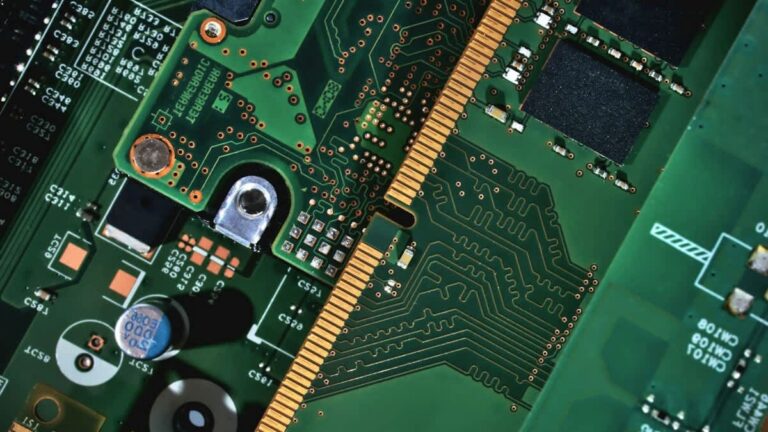
The acquisition reflects a broader industry challenge. As AI models, data analytics, and high-performance computing workloads grow in size and complexity, memory has become a critical constraint across cloud and enterprise environments. AMD’s shares rose on Monday following the announcement, with the company flirting with a $900 billion valuation, according to MarketWatch.marketwatch
MEXT had claimed its software could cut infrastructure costs by 50% and expand usable memory capacity by two to four times. The deal adds a team with deep expertise in memory systems to AMD’s roster as the company competes with Nvidia and Intel for dominance in AI data center infrastructure.globenewswire
The move fits into AMD’s broader effort to build full-stack AI solutions rather than competing on chips alone. By combining its high-performance processors with software that reduces memory-related costs, AMD is positioning itself to offer customers a more complete — and more cost-effective — path to deploying AI at scale.wccftech