







Newsletter Subscribe
Enter your email address below and subscribe to our newsletter

Enter your email address below and subscribe to our newsletter
All voices matter
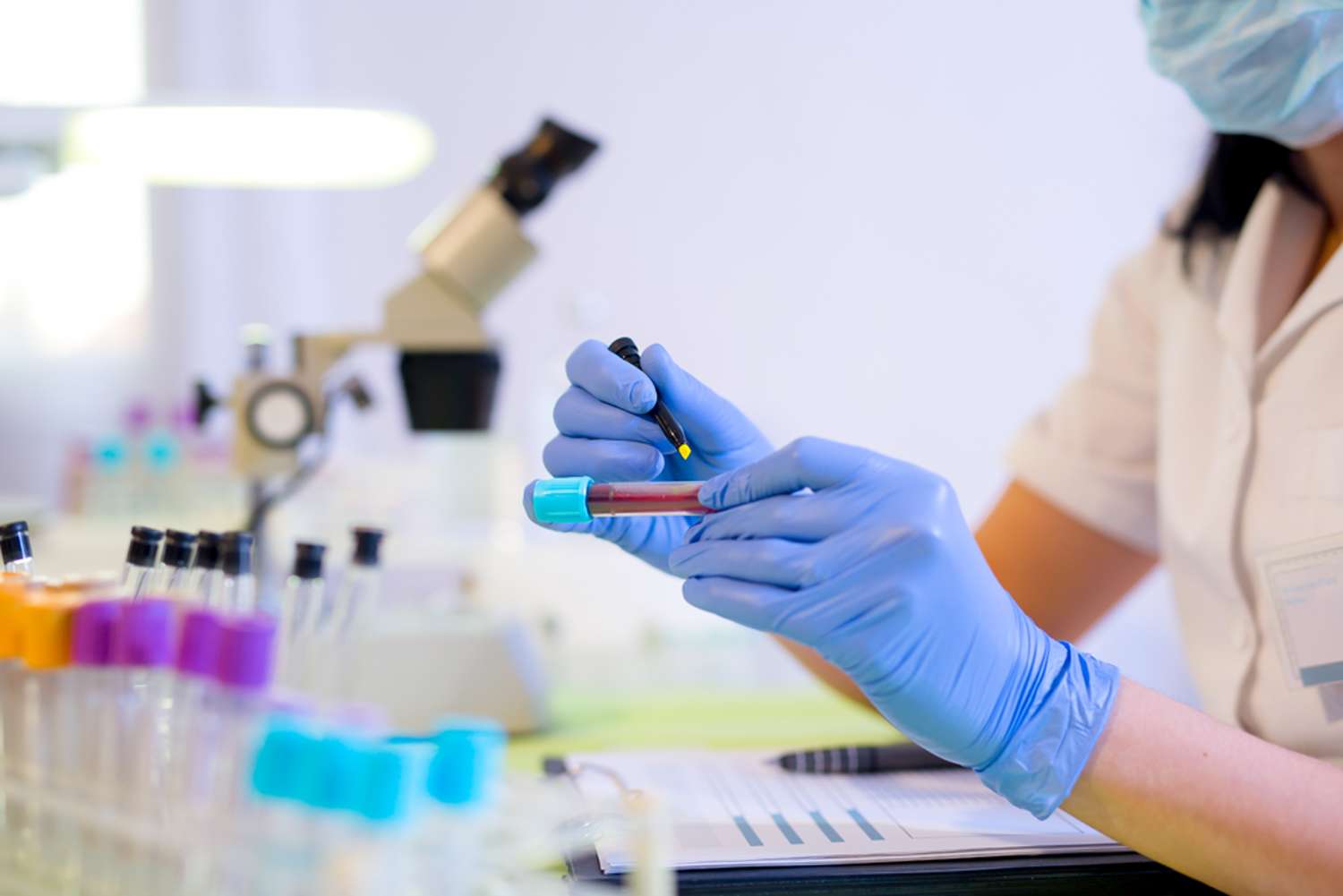
Scientists have unveiled a non-invasive blood test capable of screening almost the entire protein-coding genome of a foetus, detecting 95 to 99 percent of the genetic variants found through invasive procedures such as amniocentesis. The technique, called non-invasive foetal sequencing (NIFS), was presented on Saturday at the annual conference of the European Society of Human Genetics in Gothenburg, Sweden.eshg
The research, led by Dr Christopher Whelan from the Broad Institute of MIT and Harvard and the Center for Genomic Medicine at Massachusetts General Hospital, tested the method on 565 pregnancies at an average of 17 weeks of gestation. By deeply sequencing cell-free foetal DNA fragments circulating in the mother’s bloodstream, the technique surveyed nearly 23,000 genes in each foetus — a dramatic expansion over current non-invasive prenatal testing, which screens only for a limited number of chromosomal abnormalities such as Down syndrome.bioengineer
NIFS requires only a standard maternal blood draw. Advanced computational methods then identify genetic variants across the foetal exome, the protein-coding portion of the genome. When researchers compared their findings against results from direct sequencing following amniocentesis or chorionic villus sampling, NIFS captured 97.2 percent of the variants responsible for clinically important conditions in the study.eshg
The test identified conditions including Noonan syndrome, CHARGE syndrome, and achondroplasia — disorders that current non-invasive screening cannot detect. It has also demonstrated accuracy in samples from pregnancies as early as 10 weeks of gestation, even when foetal DNA made up as little as three percent of the cell-free DNA in maternal blood.eshg
Many women currently decline invasive testing methods due to the small risk of miscarriage, stress, access difficulties, and cost, according to Dr Whelan. “We were trying to develop a test with similar diagnostic value, but without the risks and other downsides,” he said.eshg
The technique is estimated to be cheaper than invasive genome sequencing because it relies on capabilities already available in commercial diagnostic laboratories and does not require a medical procedure.bioengineer
The research team plans to expand and scale their studies to enable NIFS screening for all pregnancies. Professor Alexandre Reymond, chair of the ESHG conference, who was not involved in the research, called the achievement “a tour de force” that “immediately opens up treatment and prevention opportunities and means that reproductive medicine will be changed forever”.eshg
The work was funded by the National Institute of Child Health and Development.