







Newsletter Subscribe
Enter your email address below and subscribe to our newsletter

Enter your email address below and subscribe to our newsletter
All voices matter
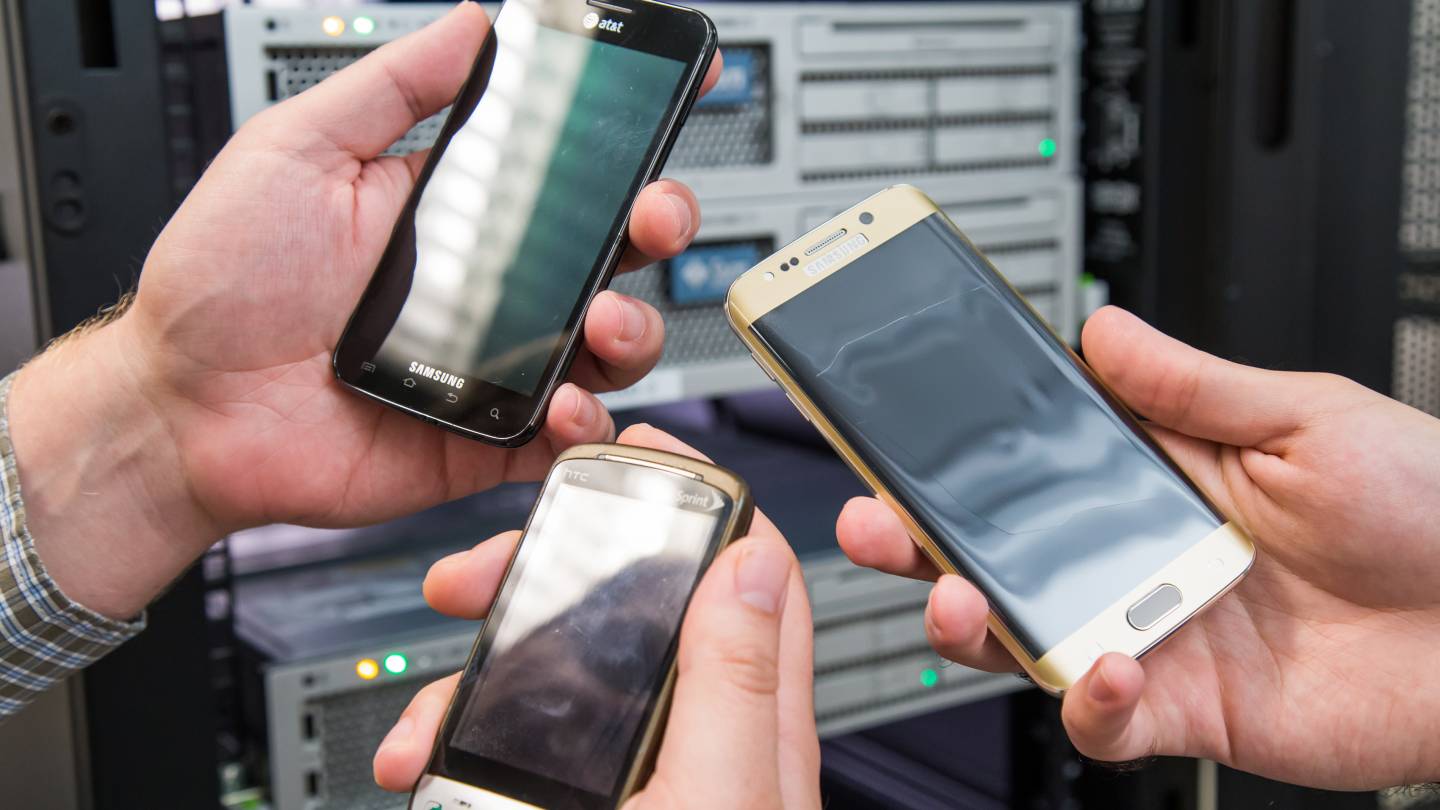
Google and researchers at the University of California San Diego have unveiled a joint project to repurpose thousands of retired Pixel smartphones into a functioning cloud computing platform, aiming to cut the carbon footprint of new hardware manufacturing.
In a blog post published on June 12, researchers Jennifer Switzer and David Patterson described a process they call “phone cluster computing,” in which motherboards are extracted from old Pixel devices — stripped of their displays, batteries, cameras, and chassis — and linked together into self-managing clusters running a general-purpose Linux operating system orchestrated by Kubernetes.research
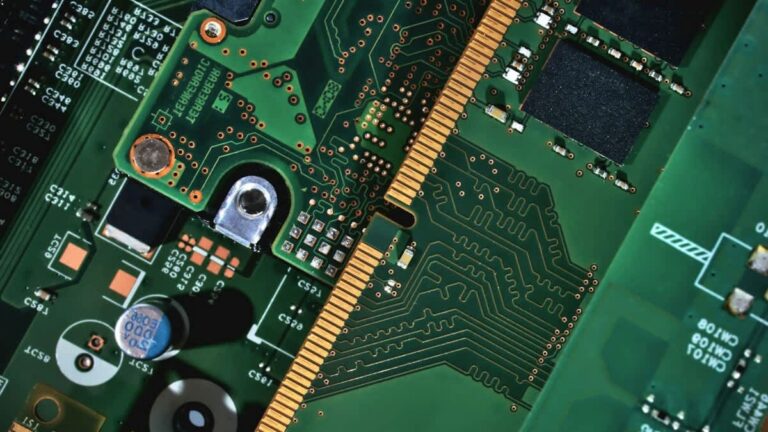
The project targets the motherboard, which accounts for roughly 50% of a smartphone’s embodied carbon based on internal assessments, according to the Google Research blog. Once the Android userspace is replaced with standard Linux, the phones become general-purpose compute nodes. Clusters of 25 to 50 devices deliver performance comparable to a modern server on SPEC benchmarks, with single-threaded performance on a 2023 Pixel Fold’s cores matching or exceeding that of a baseline data center server on a per-core basis.research
At 2,000 phones, the planned UC San Diego deployment amounts to roughly 50 server-equivalents of compute built without manufacturing a single new chip.shashi
UC San Diego intends to use the 2,000-phone cluster to support computer science courses including Parallel Computation and Systems Programming. Early experiments showed that a 20-phone cluster could handle peak assignment submission rates for a 75-student class with grading latencies below those of a standard Amazon Web Services backend.research
The university also plans to use the deployment as a testbed for studying the reliability of consumer-grade hardware under sustained server-style workloads. The full system is expected to launch in fall 2026.research
The initiative comes amid growing attention to the embodied carbon costs of computing infrastructure. People replace their phones on average every four years, often while core compute functionality remains intact. Google’s blog positions phone cluster computing as a way to avoid raw material extraction and reduce emissions associated with manufacturing new servers, complementing existing efforts to lower operational carbon through clean energy and efficiency gains.letsdatascience