







Newsletter Subscribe
Enter your email address below and subscribe to our newsletter

Enter your email address below and subscribe to our newsletter
All voices matter
The National Oceanic and Atmospheric Administration officially declared on Thursday that El Niño conditions have developed in the tropical Pacific, confirming what scientists had been anticipating for months and setting the stage for a climate event that could reshape global weather patterns well into 2027.
NOAA’s Climate Prediction Center said El Niño conditions “developed over the past month” and are “expected to strengthen into the Northern Hemisphere winter of 2026–27,” according to Reuters. The agency assigned a 63% likelihood that this El Niño will become “very strong” — often called a “Super El Niño” — which could rank among the “largest El Niño occurrences recorded since 1950,” CNN reported.cnn
A Super El Niño requires sea surface temperatures in the tropical Pacific to exceed the average by more than 2 degrees Celsius. The CPC expressed 100% confidence that El Niño will persist through the fall, with very high chances of continuation into winter.cnn
The declaration follows months of rapidly building heat beneath the Pacific’s surface. A massive Kelvin wave — a flow of exceptionally warm subsurface water — has been transporting temperatures several degrees above average through the deep ocean, as the Washington Post reported in May. Weekly sea surface temperature readings in the key Niño-3.4 monitoring region had already surged to 0.9°C above average by mid-May, according to Columbia University’s International Research Institute for Climate and Society.columbia
The event arrives against an already-warming backdrop. Carbon Brief estimated in April that 2026 has a 19% chance of surpassing 2024 as the warmest year on record, with a best estimate placing it as the second-warmest. That analysis noted the final outcome depends heavily on El Niño’s strength.carbonbrief
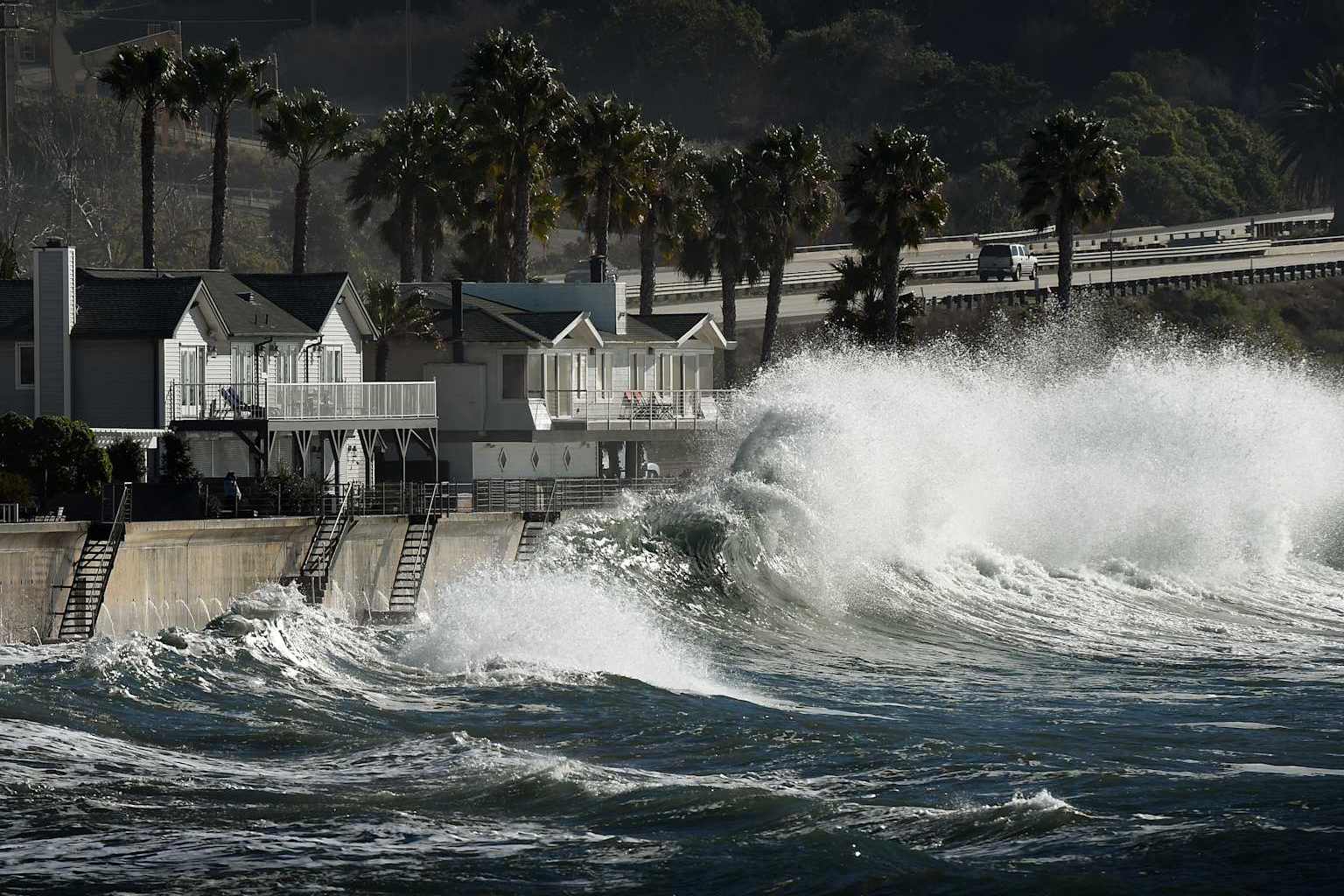
Meanwhile, NOAA reported in April that a large marine heatwave has dominated waters off the U.S. West Coast since summer 2025, raising coastal temperatures roughly 3 to 4 degrees Fahrenheit above normal. The combination of an intensifying El Niño with already-elevated ocean temperatures has heightened concerns among climate scientists.noaa
Strong El Niño events have historically brought wetter winters to California — particularly Southern California — with research showing a greater than 50% increase in seasonal precipitation during strong events. The World Meteorological Organization warned in late May that El Niño “will exacerbate the challenges posed by a warming planet,” with above-normal temperatures forecast nearly everywhere through summer.wmo
U.N. Secretary-General António Guterres called the approaching El Niño “the urgent climate warning it represents,” urging nations to prepare.usatoday