






Newsletter Subscribe
Enter your email address below and subscribe to our newsletter

Enter your email address below and subscribe to our newsletter
All voices matter
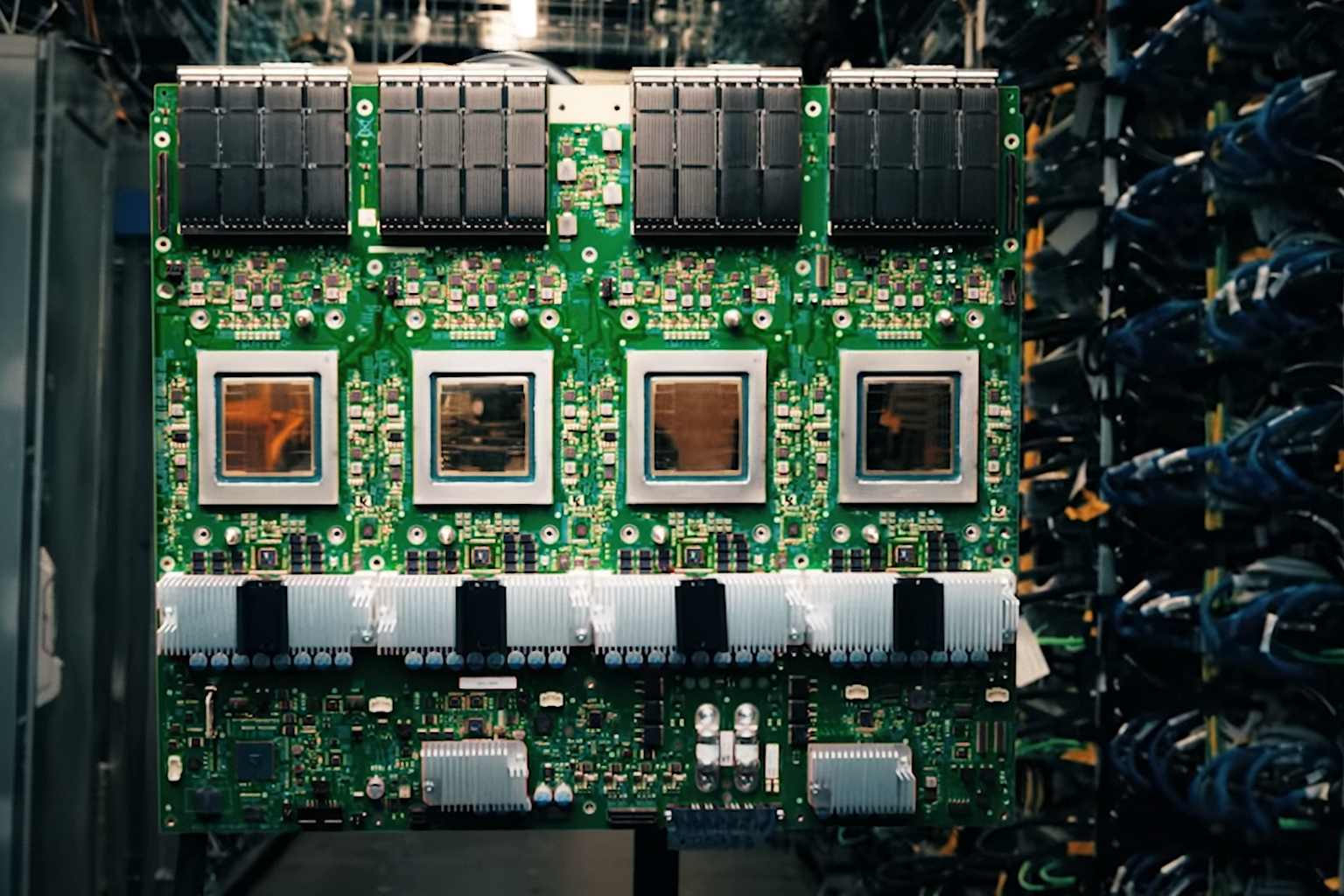
Alphabet’s Google is in discussions with Samsung Electronics to manufacture part of its next-generation tensor processing unit, codenamed “Icefish,” as tightening capacity at the world’s leading chipmaker forces the search giant to diversify its supply chain, according to a report published Wednesday by The Information.theinformation
Under the proposed arrangement, TSMC would fabricate the most computationally demanding component of the chip using its advanced 1.4-nanometer process, while Samsung would produce the memory input/output die on its 2-nanometer process technology. The chip, designated internally as TPU v10, is co-designed with MediaTek and could enter mass production around 2028.statementdog
The potential deal would mark a turning point for Samsung’s contract chipmaking division, which has struggled to win major orders from leading technology companies. Samsung’s foundry has invested heavily in its 2-nanometer gate-all-around technology and expanded capacity at its Taylor, Texas facility. The company announced plans earlier this year to spend a record 110 trillion won on chip capacity expansion and research in 2026.bloomberg
The talks come even as Google recently moved its Pixel smartphone chip production from Samsung to TSMC for the Tensor G5, a decision reported to have been a “shock” to the South Korean company. Winning a portion of Google’s high-volume TPU production would help offset that loss and validate Samsung’s advanced process capabilities.reddit
The Samsung discussions are part of a broader effort by Google to secure chip production capacity as demand for AI accelerators surges. Earlier this month, The Information reported that Google had tapped Intel to produce more than 3 million TPUs by 2028, though JPMorgan analysts characterized Intel’s role as likely limited to advanced packaging rather than chip fabrication.wccftech
Google unveiled its eighth-generation TPUs — the TPU 8t for training and TPU 8i for inference — at Google Cloud Next in April. Supply chain research indicates MediaTek is also participating in the Icefish design, building on its growing role as a key partner in Google’s custom silicon roadmap. Analysts at Counterpoint Research project combined TPU shipments could approach 5 million units by 2028, representing more than tenfold growth from 2026 levels.siliconangle
The multi-foundry approach reflects the broader reality facing hyperscale cloud providers: with TSMC’s most advanced nodes increasingly oversubscribed, even its largest customers must look elsewhere for portions of their chip production.