







Newsletter Subscribe
Enter your email address below and subscribe to our newsletter

Enter your email address below and subscribe to our newsletter
All voices matter
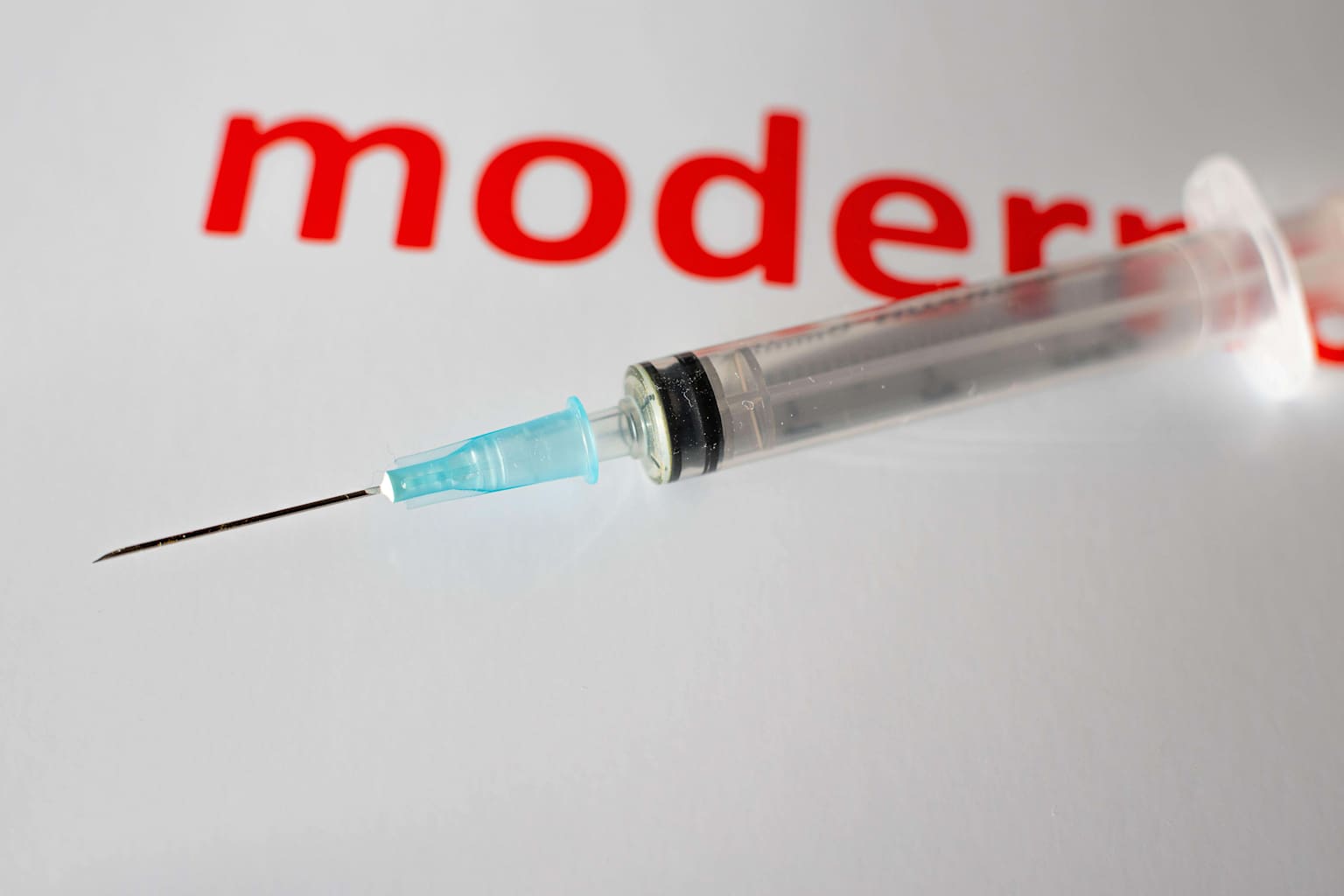
Moderna and the University of Oxford announced on June 8 that their Phase 1/2 trial of mRNA-4194, an investigational mRNA-based cancer vaccine targeting Lynch syndrome, has received authorization from the UK’s Medicines and Healthcare products Regulatory Agency. The trial, called INTERCEPT-Lynch, marks Moderna’s first cancer prevention program and represents an attempt to shift oncology from treating existing tumors to stopping cancer before it develops.moomoo
Lynch syndrome is one of the most common hereditary cancer predisposition conditions, affecting approximately 1 in 300 people worldwide. Those with the condition carry alterations in DNA mismatch repair genes, giving them up to an 80% lifetime risk of colorectal cancer and a 60% lifetime risk of endometrial cancer, often developing before age 50.modernatx
mRNA-4194 is designed to train the immune system — specifically T cells — to recognize and eliminate cells carrying abnormal mutations before they grow into tumors. “The INTERCEPT-Lynch trial represents a meaningful step in our efforts to prevent Lynch syndrome-associated cancers before they develop,” Moderna said in its announcement.moomoo
The Phase 1/2 study, funded by Moderna and sponsored by Oxford, will be run by the university’s Oncology Clinical Trials Office and Oxford Cancer Center. It will assess safety, characterize immune response, and determine the optimal dose for further testing. The first patient is expected to be dosed this summer, with a second phase expanding enrollment across multiple UK centers anticipated in 2027.morningstar
The trial arrives amid growing evidence that vaccines can intercept cancer in Lynch syndrome carriers. A separate vaccine, NOUS-209, showed in a Phase 1b/2 trial published in Nature Medicine in January that it safely stimulated immune responses in 100% of evaluable participants, with 85% maintaining a durable response at one year and no serious treatment-related adverse events.mdanderson
Unlike NOUS-209, which uses adenovirus and modified vaccinia virus vectors, mRNA-4194 employs Moderna’s mRNA platform — the same technology underpinning its COVID-19 vaccines — potentially offering manufacturing advantages and flexibility in targeting cancer-associated markers.modernatx
The INTERCEPT-Lynch trial falls under a 10-year strategic partnership between Moderna and the UK government, announced in December 2022, which includes investment in mRNA research and a manufacturing facility capable of producing up to 250 million vaccines annually. The collaboration has already delivered more than 20 clinical trials across UK centers, including a Phase 1/2 trial of mRNA-4359 for melanoma and lung cancer that began dosing patients in early 2024.gov
David Berman, Moderna’s chief development officer, wrote in a company blog post that the program reflects “a broader ambition at Moderna: to push the boundaries of what is thought to be possible in medicine.”modernatx