






Newsletter Subscribe
Enter your email address below and subscribe to our newsletter

Enter your email address below and subscribe to our newsletter
All voices matter
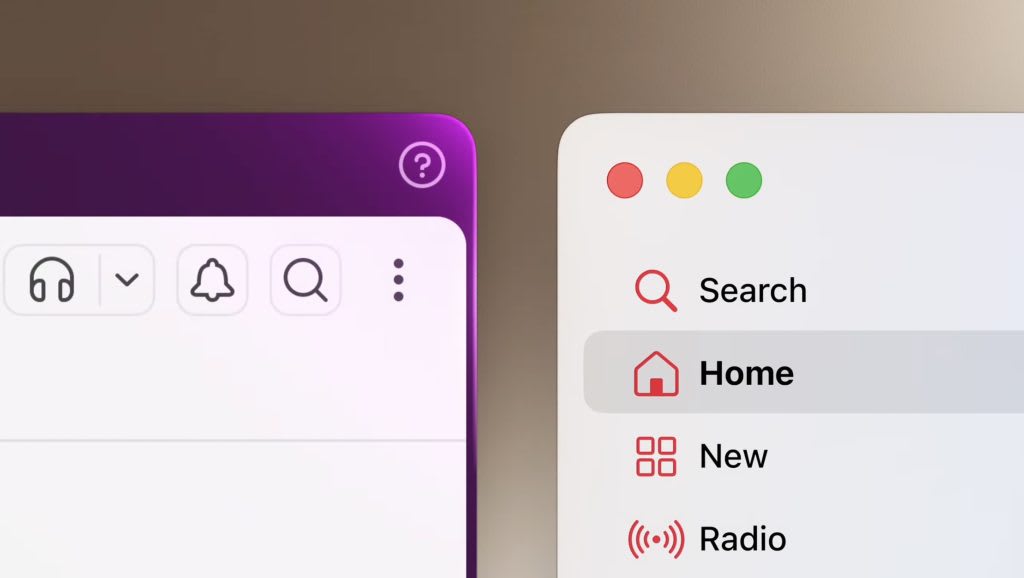
Apple on Monday unveiled macOS 27, officially named “Golden Gate,” during its WWDC 2026 keynote at Apple Park in Cupertino, California. The update marks the definitive end of the Intel era for Mac computers, requiring Apple silicon to install.macrumors
As Apple signaled at last year’s WWDC, macOS Golden Gate will only run on Macs equipped with M-series chips or the A18 Pro-powered MacBook Neo. The last Intel-based Macs to receive a major macOS update — including the 2020 13-inch MacBook Pro, 2019 16-inch MacBook Pro, 2020 27-inch iMac, and 2019 Mac Pro — will remain on macOS 26 Tahoe. Apple has committed to providing those machines with three years of security updates.macrumors
macOS 27 will also be the final version to support Rosetta 2, the translation layer that allowed Intel-era apps to run on Apple silicon.cnet
Golden Gate leans heavily into Apple Intelligence, with a revamped Siri that functions more like a standalone chatbot. The updated assistant can conduct web searches, analyze on-screen content, and handle multi-step workflows in a conversational manner. It draws on on-device processing for many tasks but routes more complex requests to cloud resources and Google Gemini.tomsguide
Apple described the release as a performance-focused update in the spirit of Mac OS X Snow Leopard, emphasizing stability and underlying technology improvements alongside refinements to last year’s Liquid Glass design language.macrumors
macOS Golden Gate is expected to be widely released in September. Developers can access the first beta beginning this week, while a public beta is anticipated later this summer.macrumors