





Newsletter Subscribe
Enter your email address below and subscribe to our newsletter

Enter your email address below and subscribe to our newsletter
All voices matter
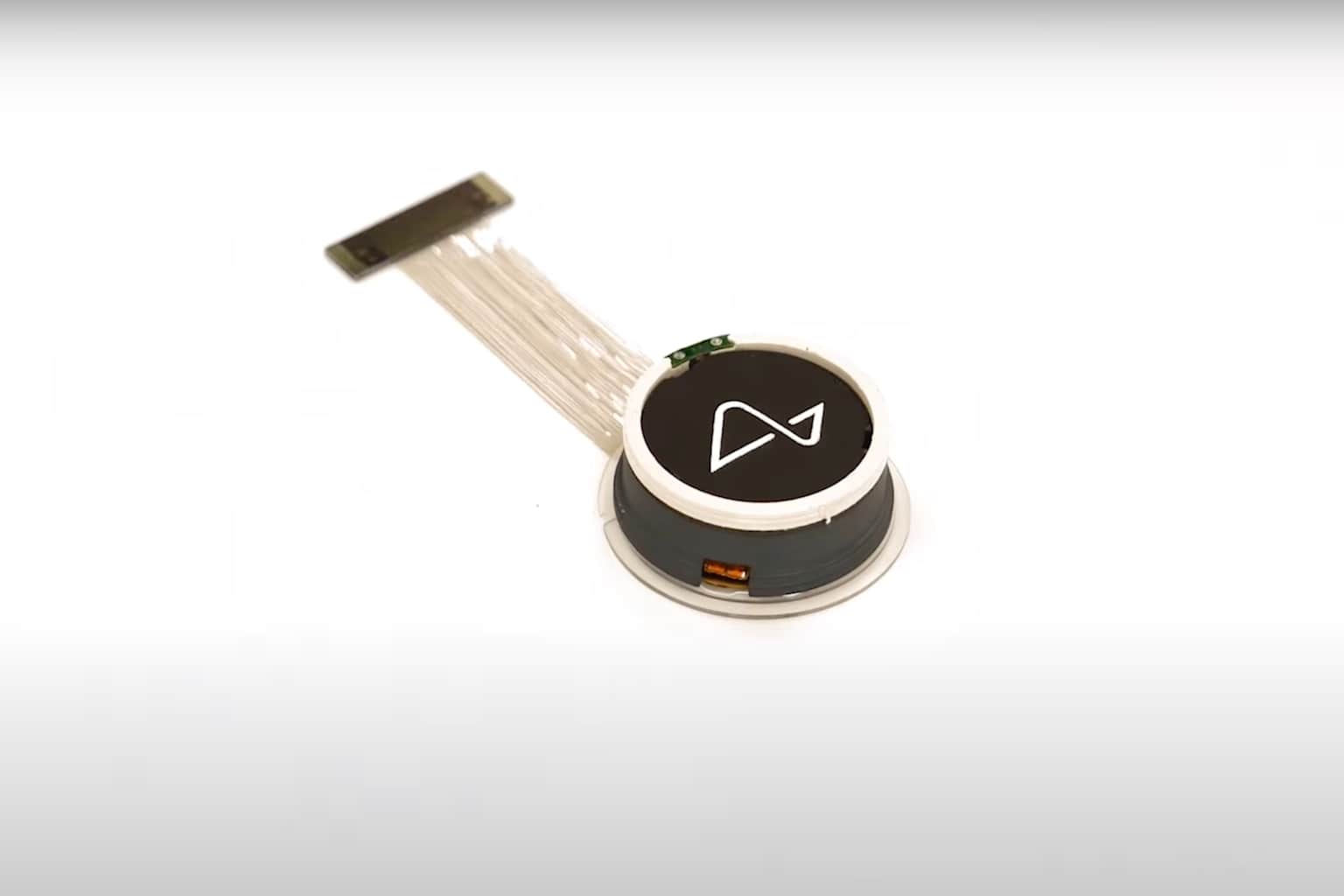
Neuralink’s brain-computer interface technology is giving paralyzed patients back abilities they thought were lost forever — from speaking in their own voices to creating art with their minds. The advances, documented across multiple patients in 2026, represent some of the most tangible results yet from Elon Musk’s brain implant company, which now has 21 participants enrolled in clinical trials worldwide.
Brad Smith, a former technology executive from Phoenix, Arizona, became the first person with ALS to receive a Neuralink implant as part of the company’s PRIME clinical trial. Since his surgery, Smith has regained the ability to communicate using a voice that sounds like his own, thanks to AI voice-cloning technology from ElevenLabs that recreated his pre-illness voice from old recordings. Smith has described the implant as transformative, saying it allows him to “jump into conversations swiftly,” play Mario Kart with his children, edit podcasts, and “generally lead a much more independent and active life”.alsnewstoday
Kenneth Shock, the second participant in Neuralink’s VOICE clinical trial, received his N1 chip in January 2026. The system reads neural signals from his motor cortex through 1,024 electrodes, decodes them into phonemes, and outputs speech in his original voice. On March 31, Musk publicly confirmed the trial’s success on X.basenor
A report published June 5 in The Free Press detailed how the technology is restoring communication to ALS patients who had gradually lost the ability to speak.thefp
Audrey Crews, the first woman to receive a Neuralink brain implant, is now using the device to create art with her mind. A quadriplegic artist who was injured 20 years ago, Crews became a participant in the company’s clinical trials and can now perform tasks independently, including producing artwork through the brain-computer interface.newsnationnow
Neuralink announced in late January 2026 that it had 21 total participants enrolled in trials globally, up from 12 reported in September 2024. The company has also launched high-volume production of its devices and plans to automate the surgical implantation procedure this year. A next-generation implant with three times current capabilities is expected later in 2026. The devices remain investigational and are not FDA-approved.reuters