Newsletter Subscribe
Enter your email address below and subscribe to our newsletter

Enter your email address below and subscribe to our newsletter
All voices matter
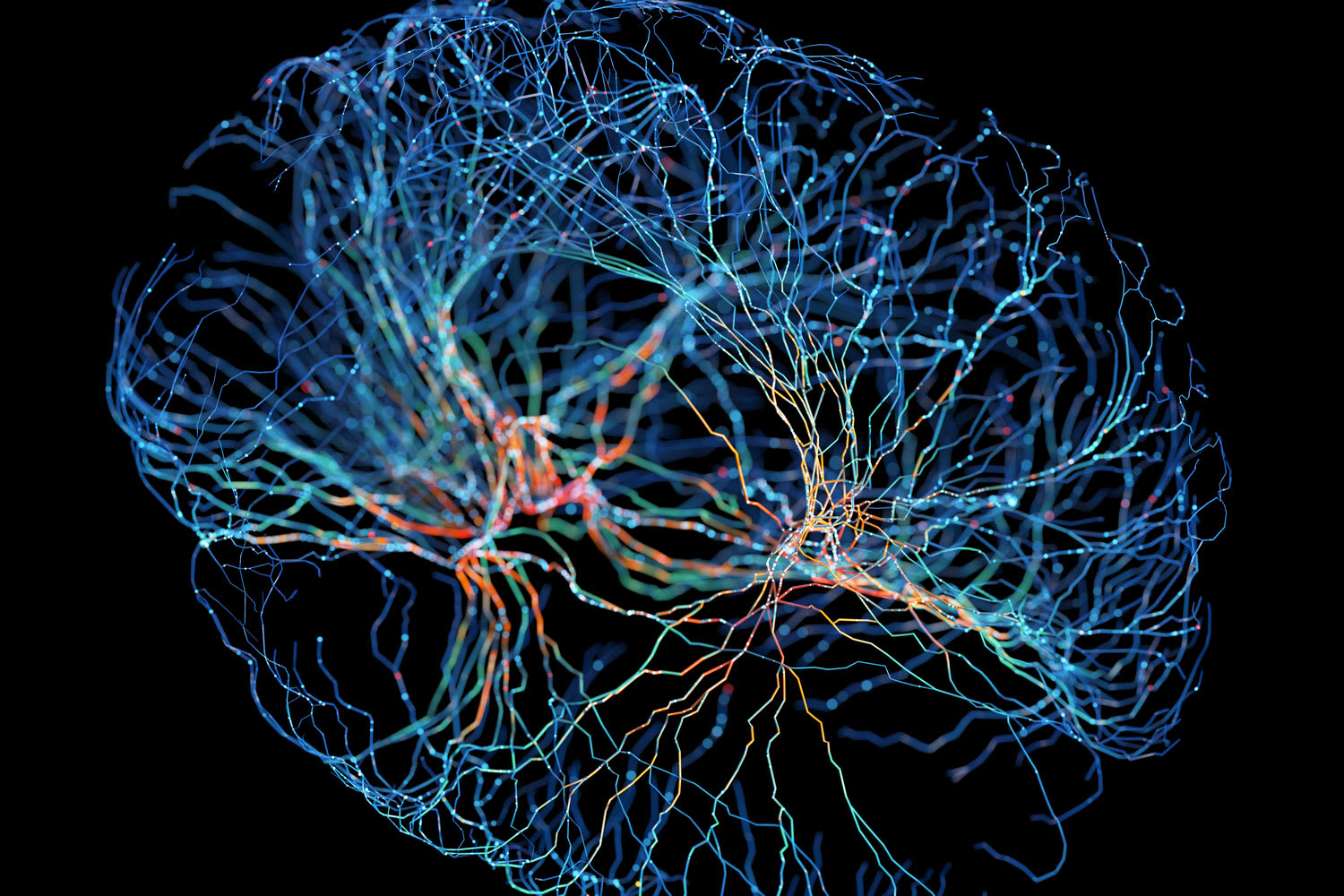
Scientists at NYU Langone Health have discovered that a small subset of neurons in the hippocampus functions as a biological switchboard, allowing the brain to form new memories without overwriting older ones. The findings, published in Nature on May 13, 2026, offer a new explanation for one of neuroscience’s most enduring puzzles: how the brain remains both adaptable and stable.prnewswire
The study found that approximately 25 percent of neurons in the hippocampal CA1 region serve as shared hubs, receiving rapid streams of information from the neighboring CA3 region and relaying them onward to the retrosplenial cortex, a brain area involved in spatial navigation and memory recall. Critically, these hub neurons use different firing patterns for incoming and outgoing signals, creating separate communication channels through the same hardware — much like an electronic switchboard routing multiple calls without crossing the lines.bioengineer
“Instead of recruiting new neurons for every novel experience, the brain modifies the firing patterns of a stable cellular core, thereby organizing information effectively and safeguarding previously encoded memories,” said Dr. Joaquín Gonzalez, a postdoctoral fellow and co-lead author of the study.bioengineer
The researchers also found that these same CA1 hub neurons remain active during sleep, participating in sharp-wave ripple events — bursts of neural activity long associated with memory consolidation. Because the same core of cells handles both daytime processing and nighttime replay, the pathway from hippocampus to cortex can remain open and help solidify long-term memories.prnewswire
The experiment involved six mice trained to traverse a linear track while high-density electrode arrays simultaneously recorded hundreds of individual neurons across multiple connected brain regions.bioengineer
Dr. György Buzsáki, co-senior author of the study, suggested the findings could illuminate early mechanisms of memory failure in neurodegenerative conditions such as Alzheimer’s disease. “Our discovery of a ‘memory switchboard’ within the hippocampus could provide vital clues about the early mechanisms of memory failure in such diseases,” he said.bioengineer
The research also has potential relevance to artificial intelligence, where systems often suffer from “catastrophic forgetting” — losing previously learned information when trained on new tasks. Understanding how the brain protects old memories while encoding new ones could inspire more resilient AI architectures.bioengineer