






Newsletter Subscribe
Enter your email address below and subscribe to our newsletter

Enter your email address below and subscribe to our newsletter
All voices matter
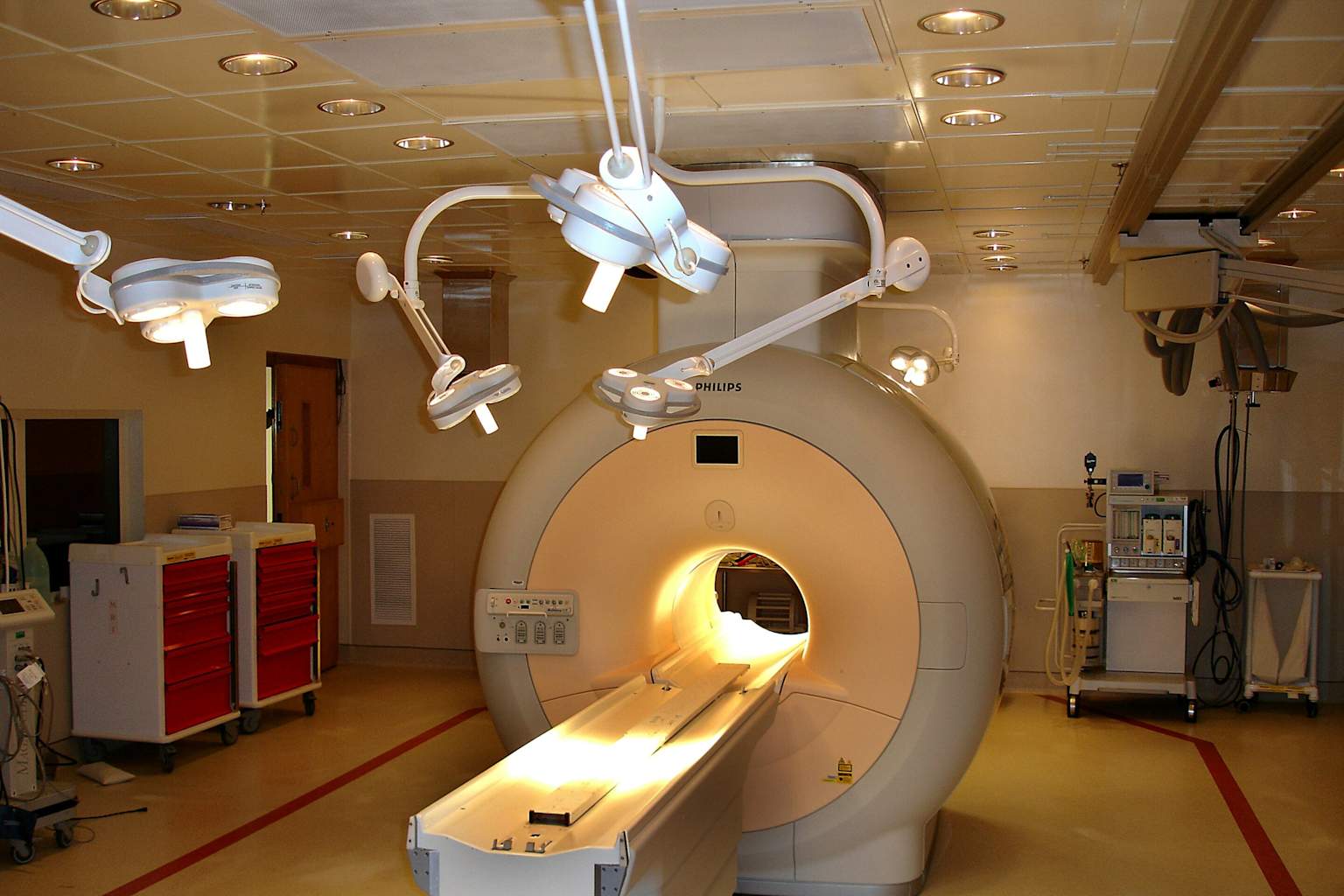
A viral immunotherapy added to standard radiation treatment reduced the risk of cancer progression or death by 30% in men with localized prostate cancer, according to phase 3 trial results published this week in The Lancet Oncology.sciencedirect
The multicenter, double-blind trial enrolled 745 patients with intermediate- or high-risk localized prostate cancer and found that adding aglatimagene besadenovec (CAN-2409), developed by Candel Therapeutics, to radiation therapy delivered a statistically meaningful improvement in disease-free survival compared with radiation alone. At a median follow-up of 50.3 months, the treatment arm showed a hazard ratio of 0.70 (p=0.016) for disease-free survival and a 38% improvement in prostate cancer-specific DFS, meaning reduced risk of cancer recurrence or prostate cancer-related death (hazard ratio 0.62; p=0.0046).biospace
The therapy also improved pathological outcomes: 80% of patients in the treatment arm had cancer-negative biopsies at two years, compared with 63% in the placebo group. The safety profile was favorable, with the most common side effects — chills, flu-like symptoms, fatigue, and fever — being mild and self-limited. No treatment-related deaths were reported.renalandurologynews
CAN-2409 is a replication-defective adenovirus that encodes a herpes simplex virus gene. When injected into the prostate and combined with the oral antiviral valacyclovir, it kills tumor cells and triggers an immune response against the cancer — functioning as an in-situ cancer vaccine. Lead investigator Theodore DeWeese of Johns Hopkins called the approach “a possible new, first treatment paradigm in the treatment of men with localized prostate cancer in over 20 years”.renalandurologynews
Extended follow-up data presented at the American Urological Association 2026 Annual Meeting showed a 39% improvement in prostate cancer-specific DFS at a median follow-up of 58 months, suggesting the treatment’s benefit grows over time. Candel Therapeutics plans to submit a Biologics License Application to the FDA in the fourth quarter of 2026, with a potential commercial launch targeted for 2027. The therapy is not yet approved by any regulatory authority.globenewswire