




Newsletter Subscribe
Enter your email address below and subscribe to our newsletter

Enter your email address below and subscribe to our newsletter
All voices matter
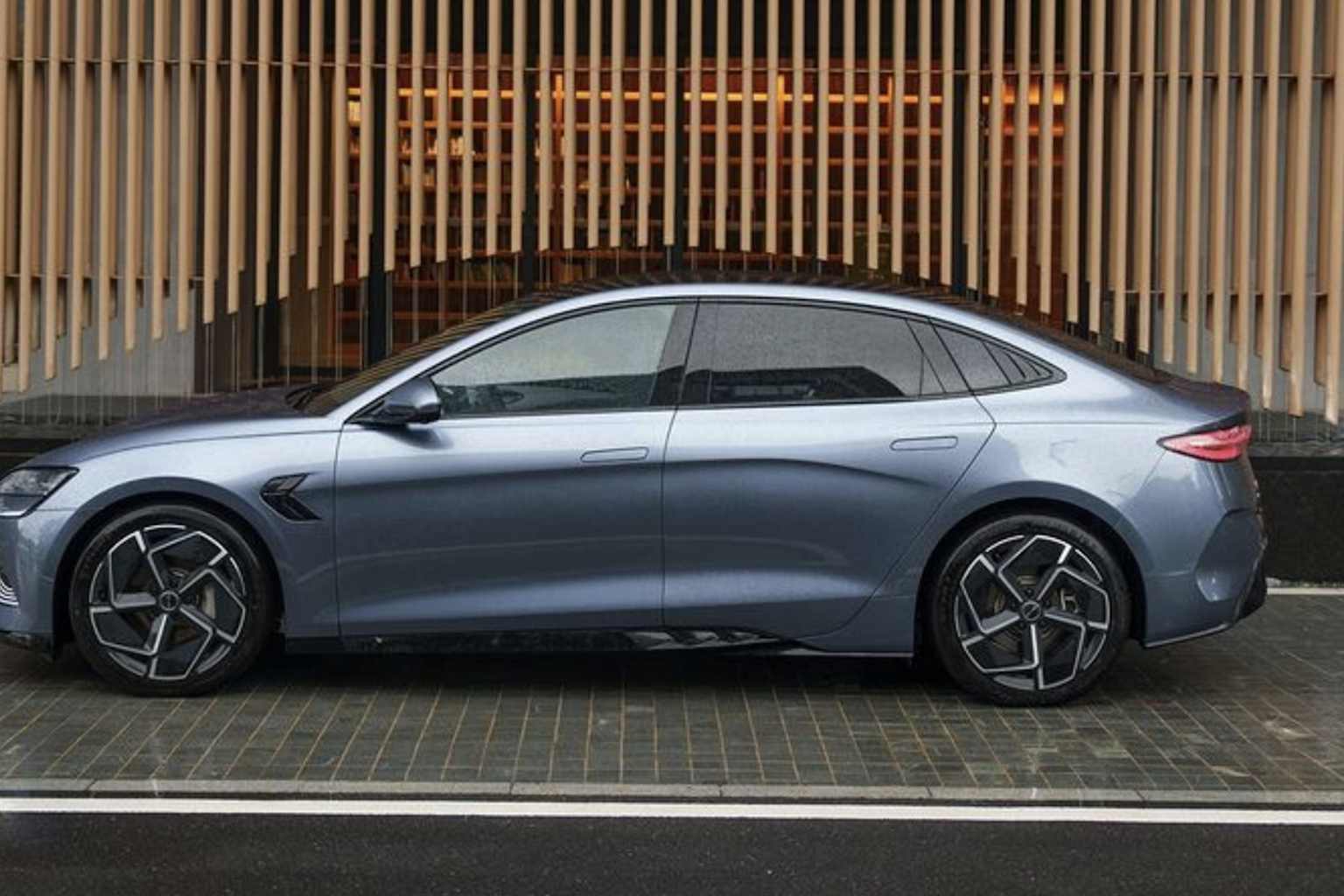
China’s two largest automakers, BYD and SAIC Motor, are pushing to deploy electric vehicles equipped with all-solid-state batteries by 2027, joining a growing cohort of Chinese manufacturers racing to commercialize next-generation battery technology that promises longer range, faster charging, and improved safety over today’s lithium-ion cells.
According to a Nikkei Asia report published on June 1, BYD plans to begin limited batch production of sulfide-based all-solid-state batteries in 2027, with mass production targeted for around 2030. SAIC Motor confirmed on April 3 that it will roll out semi-solid-state batteries across multiple brands this year while maintaining its target for full solid-state production by 2027.globalchinaev
The two companies join Changan Automobile, Chery, and Dongfeng Motor in clustering their solid-state timelines around 2027. Changan plans to begin its first in-vehicle test installations before the third quarter of 2026, with mass production slated for the following year. Chery has said solid-state batteries will start operating in its EVs from 2026, initially in limited ride-hailing fleets. Dongfeng, which had originally targeted September 2026 for mass production, postponed that goal to 2027 late last year.iaa-mobility
BYD’s roadmap envisions producing about 1,000 solid-state battery vehicles in small batches beginning in 2027, initially targeting high-end electric coupes with ranges exceeding 1,200 kilometers. The company’s all-solid-state cells use a sulfide composite electrolyte with a high-nickel ternary cathode and silicon-based anode, achieving energy densities of 400 Wh/kg at the cell level.neware
However, BYD’s chief scientist Lian Yubo acknowledged in April that while the technology has reached a “critical stage,” challenges around ion stability and lithium dendrite growth remain key hurdles to commercialization. The company unveiled its second-generation Blade Battery in March 2026, featuring rapid charging from 10 to 70 percent in roughly five minutes, which it views as currently offering a stronger balance of performance and cost for mass-market vehicles.electrek
FAW Group, Volkswagen’s primary manufacturing partner in China, achieved a notable milestone earlier this year by installing what it called an “industry first” lithium-rich manganese semi-solid-state battery in a prototype vehicle. Developed with Nankai University, the cell achieves an energy density exceeding 500 Wh/kg, with a 142 kWh pack enabling a driving range exceeding 1,000 km under China’s CLTC standard. FAW plans demonstration operations for the technology in 2026, with future iterations targeting 200 kWh capacity and ranges above 1,600 km.electrek
China is also preparing regulatory infrastructure to support the transition, with its first solid-state EV battery standard expected to be released in July 2026.electrek