







Newsletter Subscribe
Enter your email address below and subscribe to our newsletter

Enter your email address below and subscribe to our newsletter
All voices matter
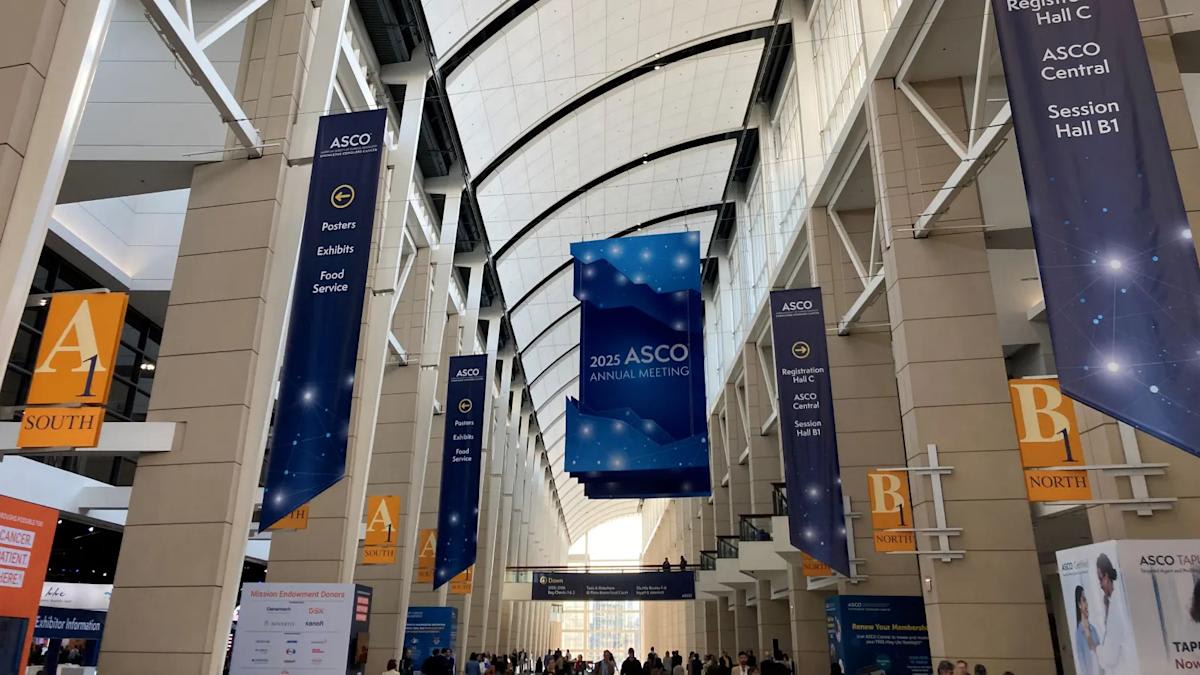
A personalized mRNA cancer vaccine called intismeran autogene, developed by Moderna and Merck (known as MSD outside the United States), sustained a 49 percent reduction in the risk of melanoma recurrence or death across five years of follow-up, according to data presented at the 2026 American Society of Clinical Oncology annual meeting on June 1.prnewswire
The results, from the Phase IIb KEYNOTE-942 trial, showed that 68.8 percent of patients who received intismeran plus pembrolizumab (Keytruda) remained cancer-free at five years, compared with 49.1 percent in the pembrolizumab-alone group. Overall survival reached 92.2 percent for the combination versus 71.3 percent for the control arm.reuters
The combination also reduced the risk of distant metastasis — cancer spreading to another part of the body — by 59 percent. The hazard ratio for recurrence-free survival was 0.510, with a one-sided p-value of 0.0075. Notably, the 49 percent risk reduction remained identical to results observed at three years, suggesting the vaccine successfully programs lasting immune surveillance.oncodaily
“Our study offers strong evidence to melanoma patients that intismeran vaccine therapy, when used in combination with immunotherapy, can demonstrably reduce their risk of having their cancer return and improve clinical outcomes,” said Janice Mehnert, MD, a professor in the Department of Medicine at NYU Grossman School of Medicine and senior investigator of the study.prnewswire
Intismeran autogene is an individualized therapy designed using each patient’s tumor mutational signature. The mRNA instructs cells to produce proteins matching the patient’s specific cancer mutations, training the immune system to recognize and attack residual cancer cells. Combined with pembrolizumab, which removes a brake on immune cells, the approach aims to create durable antitumor memory.linkedin
A Phase 3 confirmatory trial in adjuvant melanoma is fully enrolled, with results expected to determine whether intismeran reaches regulatory approval. The vaccine strategy is also being tested in non-small cell lung cancer through the Phase 3 INTerpath-009 trial, which is enrolling patients whose tumors did not respond completely to pre-surgical treatment. In an early readout from a separate lung cancer study presented at ASCO, intismeran combined with Keytruda reduced the risk of disease progression by 65 percent compared with Keytruda alone.fiercebiotech