







Newsletter Subscribe
Enter your email address below and subscribe to our newsletter

Enter your email address below and subscribe to our newsletter
All voices matter
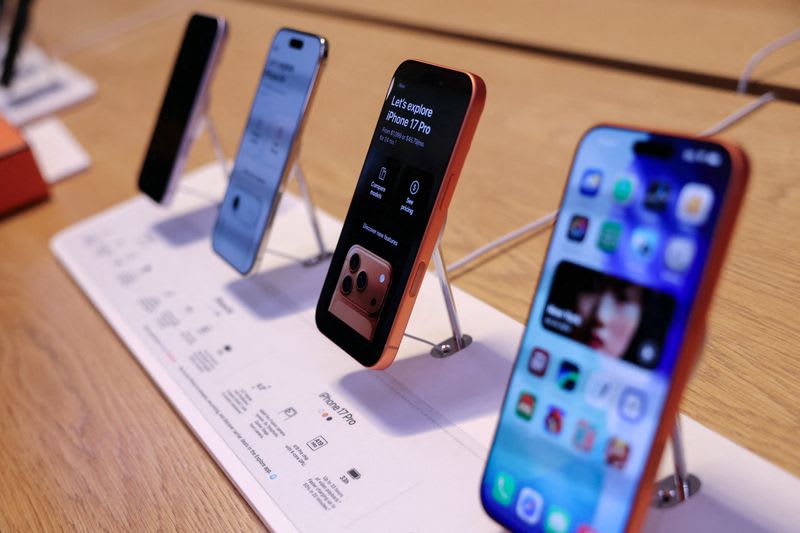
The global smartphone market is on track for its worst year ever recorded, with Counterpoint Research on Monday forecasting shipments will plunge 13.9% year-over-year to 1.08 billion units in 2026, according to Reuters. The projection represents the lowest annual volume since 2013 and a downgrade from the firm’s February estimate of a 12.4% decline.idc
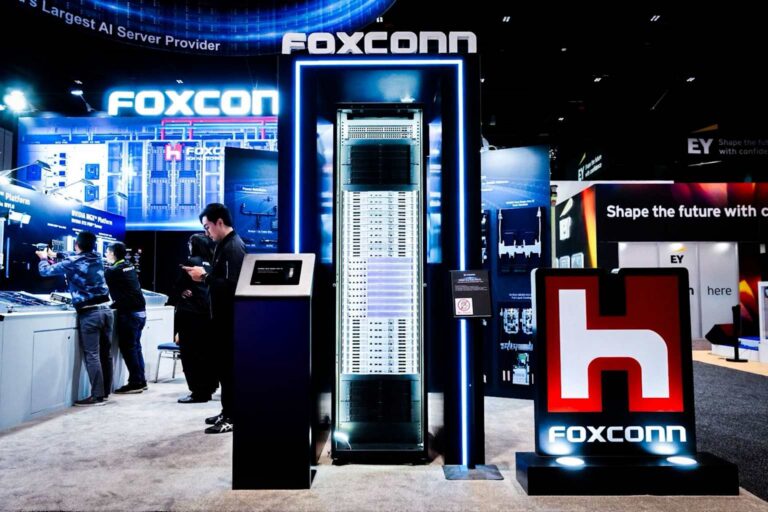
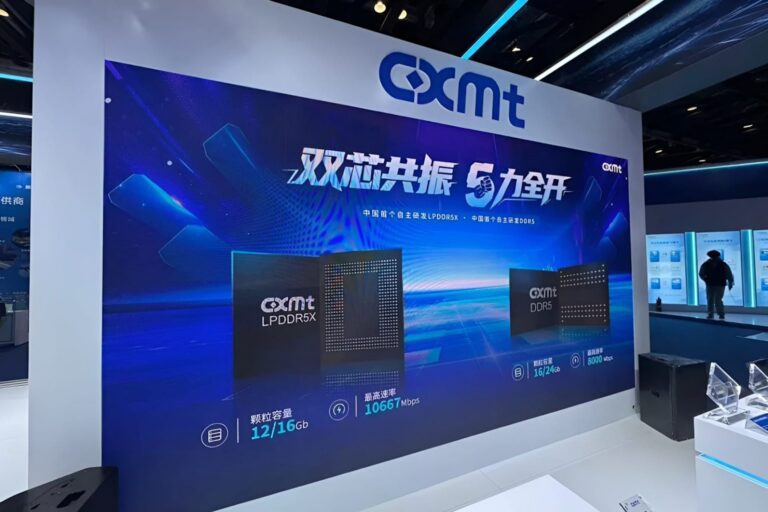
The worsening outlook is driven primarily by a severe memory chip shortage that has been compounded by the U.S.-Iran conflict. Global smartphone wholesale prices rose 14% in the first quarter, while shipments fell 3.1% year-over-year during the same period, according to Counterpoint. The rapid expansion of artificial intelligence infrastructure by companies including Meta Platforms, Alphabet, and Microsoft has consumed a large share of memory chip supply, pushing manufacturers to prioritize components for more profitable data centers over consumer electronics.pcmag
The shortage has hit the affordable end of the market hardest. Counterpoint’s February research warned that premium smartphones above $800 would remain resilient while lower segments face the sharpest affordability pressures due to shrinking LPDDR4 supply. In India, the affordable segment saw shipments decline 46% in the first quarter, according to CyberMedia Research.business-standard
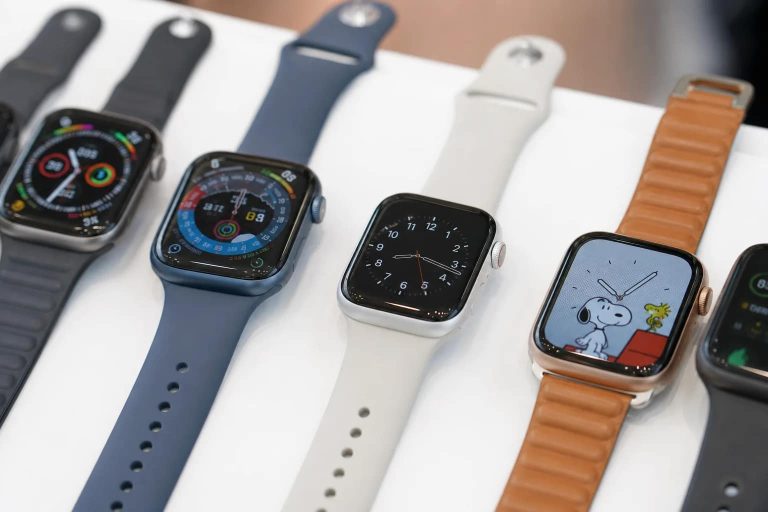
The United States smartphone market declined 3% year-over-year to 33.4 million units in the first quarter, according to Omdia, which forecasts a full-year decline of 4%. Apple maintained its leading position with a 21% global market share in the quarter, while Samsung and most other manufacturers saw shipments contract.reuters
India’s smartphone shipments fell to a six-year low in the first quarter, declining between 3% and 5% depending on the tracker, as rising prices deterred budget-conscious buyers. India’s smartphone market is projected to decline 10-12% for the full year, according to CMR, with the entry-level segment bearing the brunt.informa
IDC’s parallel forecast, also projecting a 13.9% decline, anticipates a further 1.1% decrease in 2027 before a 5.5% rebound in 2028 as memory supply normalizes. Regions with the highest concentration of sub-$200 devices face the steepest declines, with the Middle East and Africa forecast to drop 23% and Central and Eastern Europe 19%. Counterpoint has noted that the memory chip shortage is likely to persist until the end of 2027, forcing manufacturers to shift away from volume toward product value, phasing out low-margin models and maintaining budget users through refurbished devices.moomoo