







Newsletter Subscribe
Enter your email address below and subscribe to our newsletter

Enter your email address below and subscribe to our newsletter
All voices matter
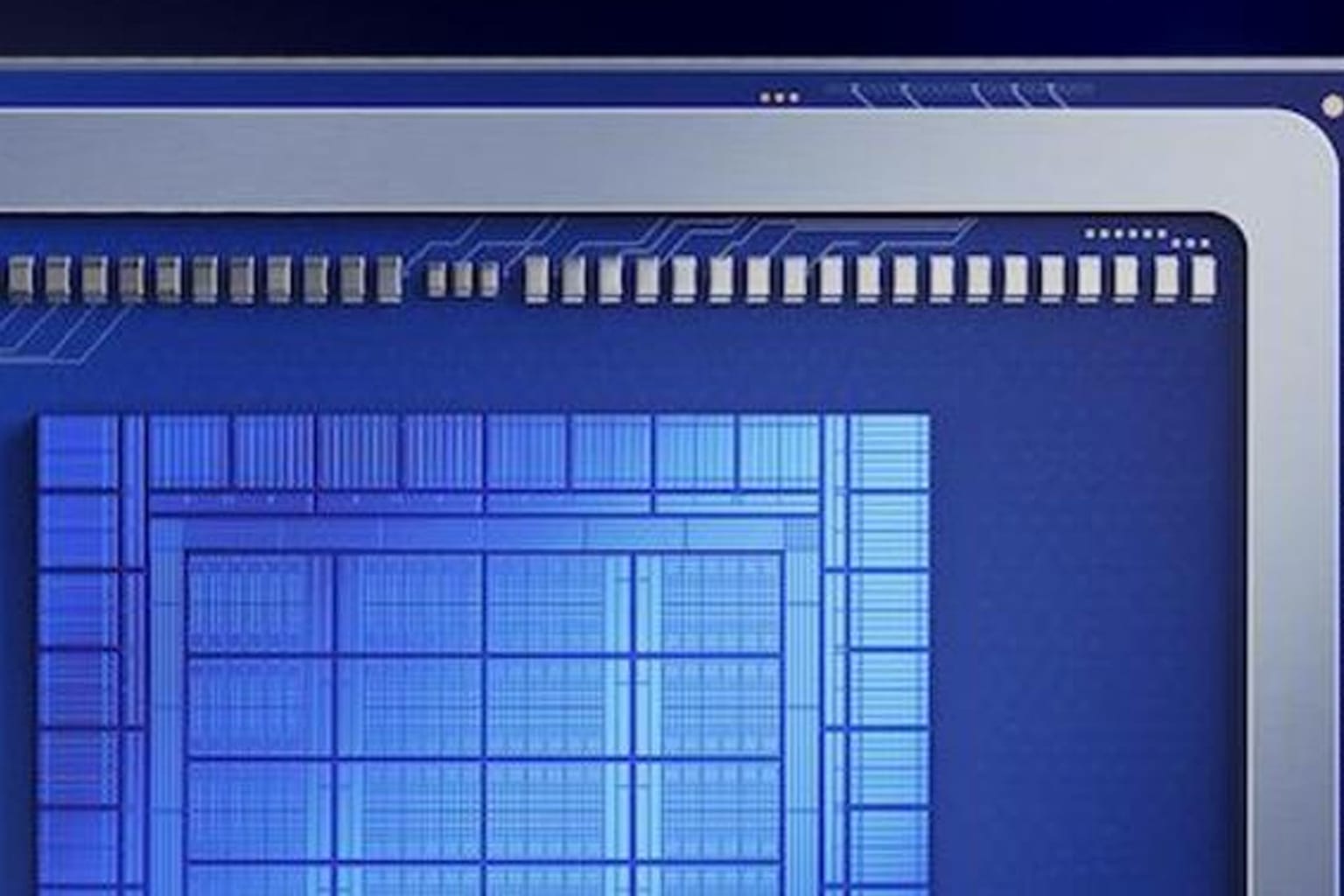
Intel used Computex 2026 in Taipei to reveal new technical details about its upcoming data center GPU, code-named Crescent Island, positioning the chip as a cost-effective alternative to offerings from Nvidia and AMD for AI inference workloads.
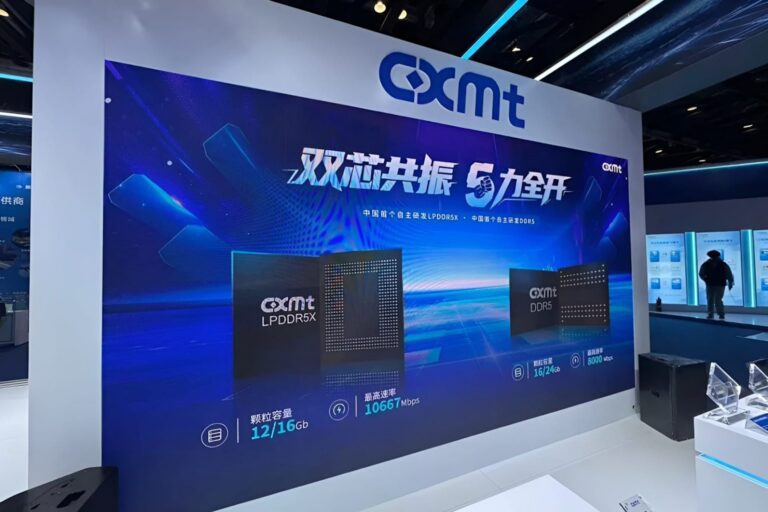
The Crescent Island GPU, built on Intel’s Xe3P architecture, will be a PCI Express add-in card with a 350-watt thermal design power that supports air cooling — a departure from the liquid-cooled designs increasingly common among high-end AI accelerators. Rather than using high-bandwidth memory (HBM) like its competitors, the chip will use LPDDR5X memory, with a reference design of 160 GB and partner configurations scaling up to 480 GB.datacenterdynamics
With an estimated 640-bit memory bus and 10.7 Gbps LPDDR5X, Crescent Island would deliver roughly 684 GB/s of memory bandwidth — well below the nearly 5 TB/s offered by Nvidia’s older H200 GPUs. Intel is betting that the tradeoff in raw bandwidth will be offset by lower cost, greater memory capacity, and reduced power consumption, making the chip attractive for inference rather than training workloads.tomshardware
Intel’s pitch centers on what it calls optimized “token economics” for customers running agentic AI systems. The chip supports data types ranging from FP4 for AI inference to FP64 for scientific computing. Intel CTO Sachin Katti first announced the chip at the 2025 OCP Global Summit, describing it as part of a new annual GPU release cadence.intel
Reuters reported in October 2025 that the chip represents Intel’s second attempt to break into the AI accelerator market after its Gaudi chips “struggled to compete with industry leaders Nvidia and AMD”.reuters
Intel confirmed that customer sampling of Crescent Island remains on track for the second half of 2026. The company has not yet released specific performance benchmarks. The chip will compete against products like AMD’s MI350P with 144 GB of HBM3E and Nvidia’s H200 NVL in the inference-focused segment of the data center market.tomshardware