







Newsletter Subscribe
Enter your email address below and subscribe to our newsletter

Enter your email address below and subscribe to our newsletter
All voices matter
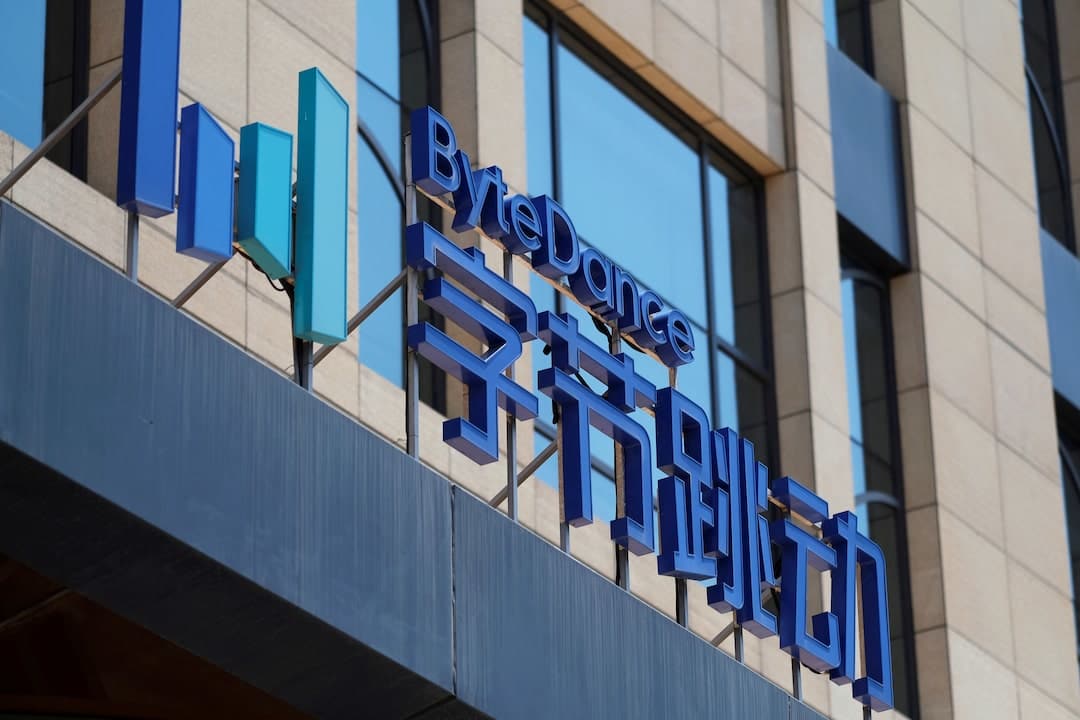
ByteDance, the Chinese tech giant behind TikTok, is developing a new AI inference chip with an architecture similar to Groq’s language processing units, according to a report by The Information published on Friday. The effort represents the latest step in ByteDance’s broader push to build its own semiconductor capabilities as geopolitical tensions continue to reshape the global chip supply chain.theinformation
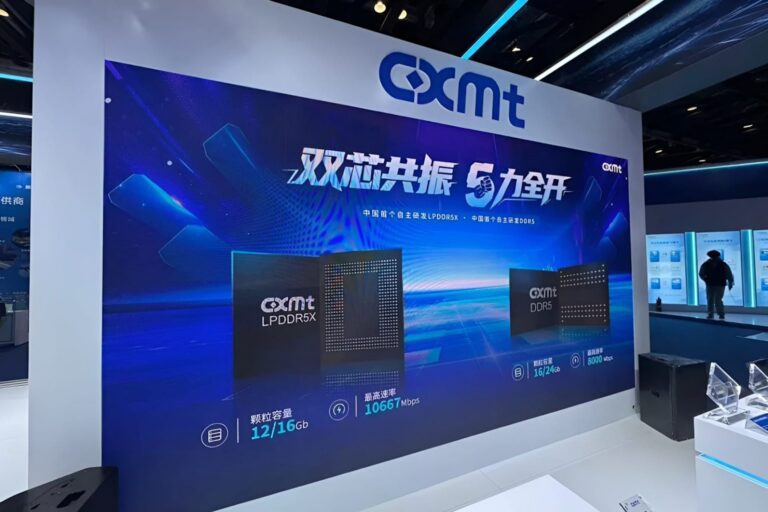
The inference chip is one of several custom silicon projects ByteDance has underway. Earlier in the week, Reuters reported that the company is also developing its own central processing units to support its AI infrastructure, exploring two architectural paths — one based on Arm, owned by SoftBank, and another using the open-source RISC-V instruction set. ByteDance is working with InnoStar Semiconductor to integrate Chinese memory technology into the inference chip design.yahoo
Separately, Qualcomm shares surged to a record high on May 26 after Bloomberg reported that ByteDance would procure millions of Qualcomm application-specific integrated circuits to power its AI agent software. ByteDance has also been co-developing custom AI GPUs with Broadcom and Taiwan Semiconductor Manufacturing Company, with production reportedly beginning earlier this year at Samsung foundries under the codename “SeedChip”.indiatimes
The chip development push comes amid a deepening rift between the U.S. and China over semiconductor access. Though the Trump administration cleared roughly 10 Chinese firms — including ByteDance, Alibaba, and Tencent — to purchase Nvidia’s H200 chips, not a single delivery has taken place. Beijing has declined to approve domestic purchases of the chips, with President Trump himself acknowledging in May that China chose not to buy because “they want to develop their own”.reuters
The U.S. export framework imposed steep conditions, including a 25% revenue share, mandatory routing of chips through U.S. territory, and per-customer caps of 75,000 units. For Beijing, the terms reinforced the case for technological self-reliance, accelerating investment in domestic alternatives from companies like Huawei and Cambricon.latimes
ByteDance’s focus on inference hardware reflects a broader industry trend. As AI moves from training large models to deploying them at scale, inference workloads — running trained models for products like chatbots and AI agents — are consuming an increasing share of compute budgets. ByteDance is preparing a large-scale rollout of agent-based products, including its Coze platform. The company’s 2026 AI budget has been reported at roughly 160 billion yuan, with a substantial portion earmarked for in-house chip development.reuters