







Newsletter Subscribe
Enter your email address below and subscribe to our newsletter

Enter your email address below and subscribe to our newsletter
All voices matter
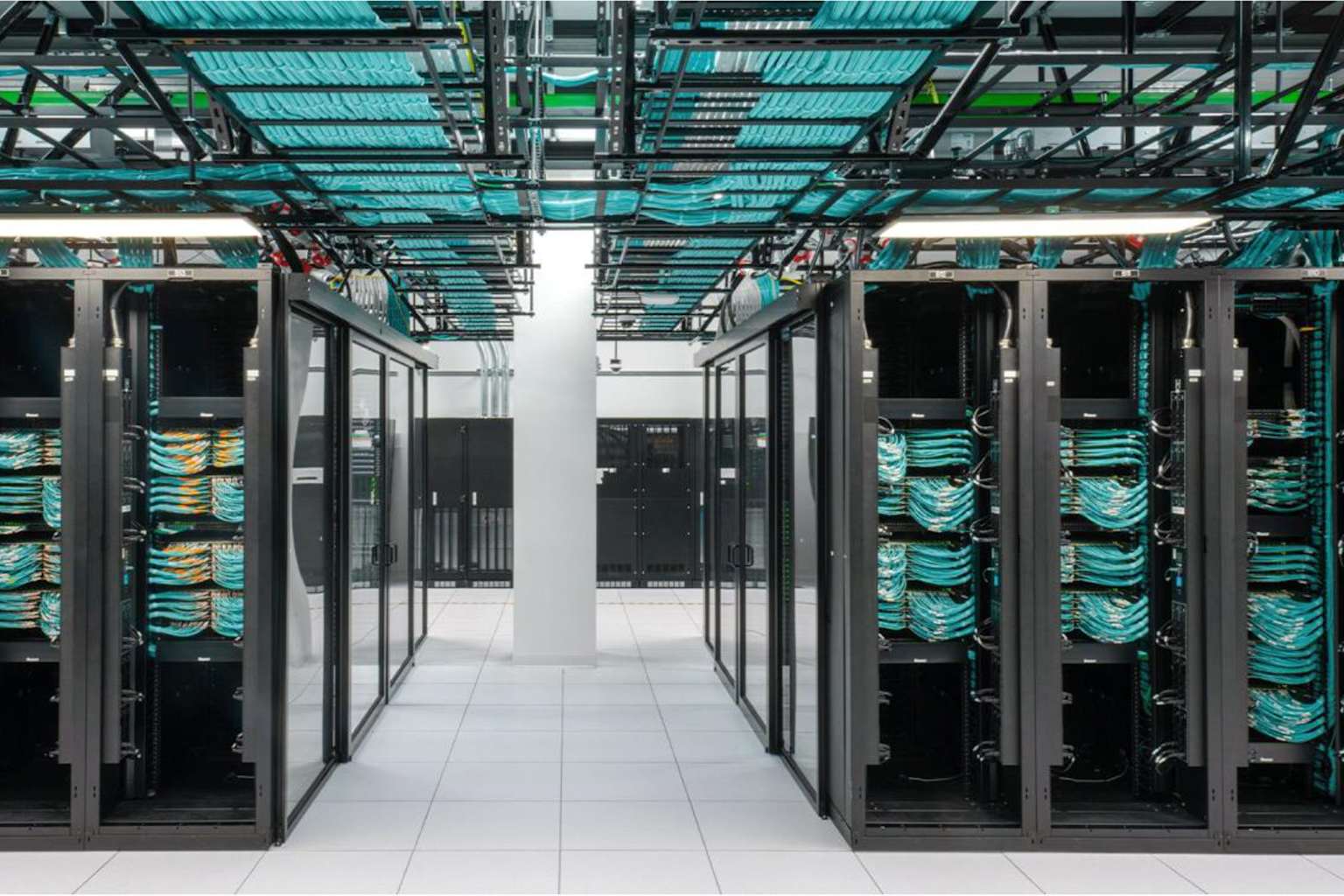
Nvidia has asked its optical component suppliers to increase indium phosphide laser production capacity by 20 times by 2030 to support AI cluster networking, but manufacturers have agreed to a more conservative 12-fold expansion — a gap that analysts at Rosenblatt Securities say will leave supply trailing demand through the end of the decade.
According to Rosenblatt’s latest research, published this week, the indium phosphide optics market is projected to grow from roughly $1.9 billion in 2025 to $22.75 billion by 2030. Even with that expansion, supply is expected to remain approximately 50 percent below what AI data centers require.247wallst
The shortfall stems from a fundamental shift in how AI systems are built. Training clusters now require tens of thousands of GPUs connected via ultra-fast optical links, as copper cables cannot handle the bandwidth at scale. The move toward co-packaged optics — placing optical connections closer to the chip to boost speed and cut power consumption — is intensifying the demand for InP-based lasers and photodetectors.vaneck
Rosenblatt projects that Lumentum could scale from $600 million in capacity in 2025 to $9 billion by 2030, while Coherent would grow from $125 million to $4.3 billion and Broadcom from $550 million to $4.5 billion. Yet manufacturers remain cautious, mindful of previous telecom boom-and-bust cycles that left the industry with excess optical capacity and depressed margins.aol
The constraint is not limited to lasers alone. Fiber optic cable lead times have stretched to a full year, with AI data centers consuming 36 times more fiber than standard server designs, according to reporting from Tom’s Hardware. The broader optical networking market is projected to grow from $14 billion to $73 billion by 2030, with supply remaining tight through at least 2027.tomshardware
Optics joins a growing list of supply chain pressure points in AI infrastructure. The sector has already experienced shortages in GPUs, high-bandwidth memory, power infrastructure, and cooling systems. Supplyframe’s Commodity IQ data showed the demand index for optoelectronics surged nearly 30 percent in March 2026, driven specifically by AI data center expansion.area51esg
Nvidia’s reported investment of $2 billion in Lumentum earlier this year underscores how seriously the chipmaker is treating the constraint. As Rosenblatt put it, networking limitations could impede AI deployment before demand for GPUs itself declines.247wallst