







Newsletter Subscribe
Enter your email address below and subscribe to our newsletter

Enter your email address below and subscribe to our newsletter
All voices matter
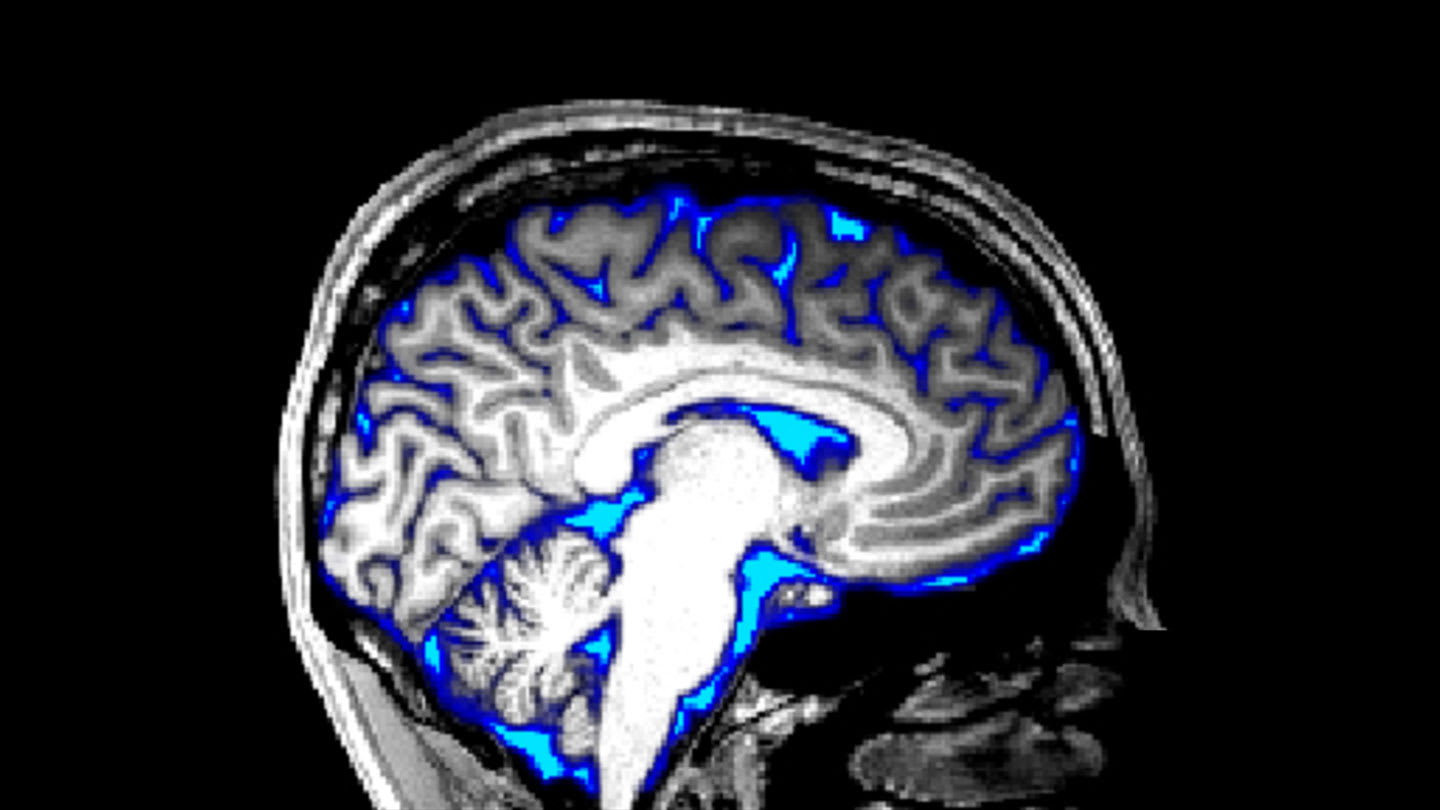
Researchers have used physics-informed artificial intelligence to map for the first time the flow velocity of cerebrospinal fluid through the brain’s waste-clearing glymphatic system, revealing a dual-speed drainage pattern that could reshape understanding of neurodegenerative diseases like Alzheimer’s.
The study, published May 27 in Science Advances, was led by researchers at the University of Rochester, Brown University, and the University of Copenhagen. The team developed a framework called magnetic resonance artificial intelligence velocimetry (MR-AIV), which uses physics-informed neural networks to deduce fluid flow velocities from standard MRI data.medicalxpress
“If you want to image whole brains, an MRI is a great approach because it gives you a three-dimensional view. But an MRI has serious limitations too, the biggest of which is that it does not capture the fluid flow velocity, at least not for flows this slow,” said Douglas Kelley, a professor of mechanical engineering at the University of Rochester.medicalxpress
By analyzing videos of dye spreading across brain tissue over time, the neural networks were able to determine how fast the protective fluid moves and how permeable the brain tissue is.medicalxpress
The AI revealed a dual-speed drainage blueprint. Fluid moves at a few microns per second across the brain’s open regions, such as the surface between the skull and the brain. Deep within the brain’s tissue, the same fluid trickles at a rate roughly 50 times slower. Both pathways work to wash away particles including amyloid-beta proteins linked to Alzheimer’s disease.auntminnie
The glymphatic system, first described in 2012 by neuroscientist Maiken Nedergaard at the University of Rochester, functions primarily during deep sleep, flushing metabolic waste through a network of fluid-filled channels alongside blood vessels.rochester
The researchers have so far established baseline measurements of fluid flow in mouse brains and aim to eventually study circulation in humans. Kelley said the team hopes to one day screen for poor brain circulation that could precede Alzheimer’s disease or assess disruption after concussions.medicalxpress
“We’re working hard toward being able to measure the flow of waterlike fluids in and around human brains because then the clinical applications get a lot more important and exciting,” Kelley said.medicalxpress