








Newsletter Subscribe
Enter your email address below and subscribe to our newsletter

Enter your email address below and subscribe to our newsletter
All voices matter
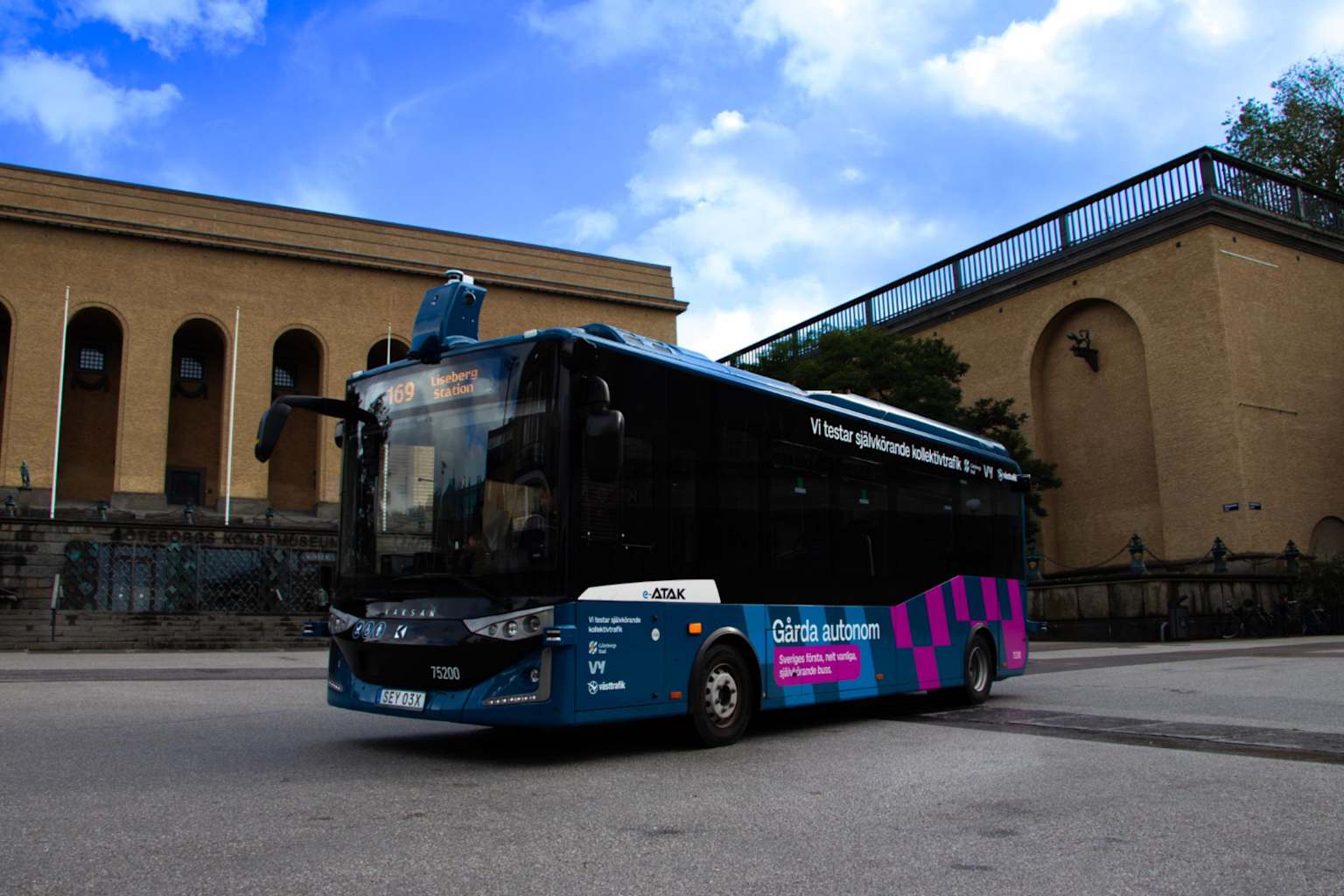
A self-driving electric bus produced by Turkey’s Karsan was struck from behind by a tram in Gothenburg, Sweden, on Monday, just over an hour after it began carrying paying passengers, raising early questions about the integration of autonomous vehicles into complex urban transit networks.rte
The Karsan e-ATAK bus braked while in service and was rear-ended by a tram. No injuries were reported among passengers or bystanders. “The self-driving bus with people onboard in Gothenburg braked and was hit from behind by a tram. There are no casualties or personal damages,” said Västtrafik spokesperson Patrik Chi. The bus has been taken out of service for inspection, and the circumstances surrounding the collision remain under investigation.reuters
A safety driver was on board the bus at the time, prepared to take control if necessary, Chi noted.reuters
The incident occurred on what was described as the first day carrying paying passengers on a new route, part of a year-long trial of autonomous public transport in the city. The Karsan Autonomous e-ATAK operates at SAE Level 4 autonomy and has been running between Gothenburg Central Station and Liseberg Station along a four-kilometer route with seven stops since September 2025, in a project involving Västtrafik, Vy Buss, and technology partner Adastec.adastec
The bus had already demonstrated its capabilities in challenging conditions earlier in 2026, completing a month of commercial passenger service in the Swedish ski resort of Sälen, navigating snow and ice.briefglance
The collision — even one apparently caused by the tram failing to stop rather than by autonomous driving error — highlights the challenges of mixing self-driving vehicles with conventional traffic. Autonomous buses may behave differently from human-driven vehicles, braking more cautiously or abruptly, creating situations that other road users do not anticipate. As cities across Europe expand trials of driverless public transport, the Gothenburg incident offers an early case study in how these systems interact with legacy infrastructure like tram networks.straitstimes