





Newsletter Subscribe
Enter your email address below and subscribe to our newsletter

Enter your email address below and subscribe to our newsletter
All voices matter
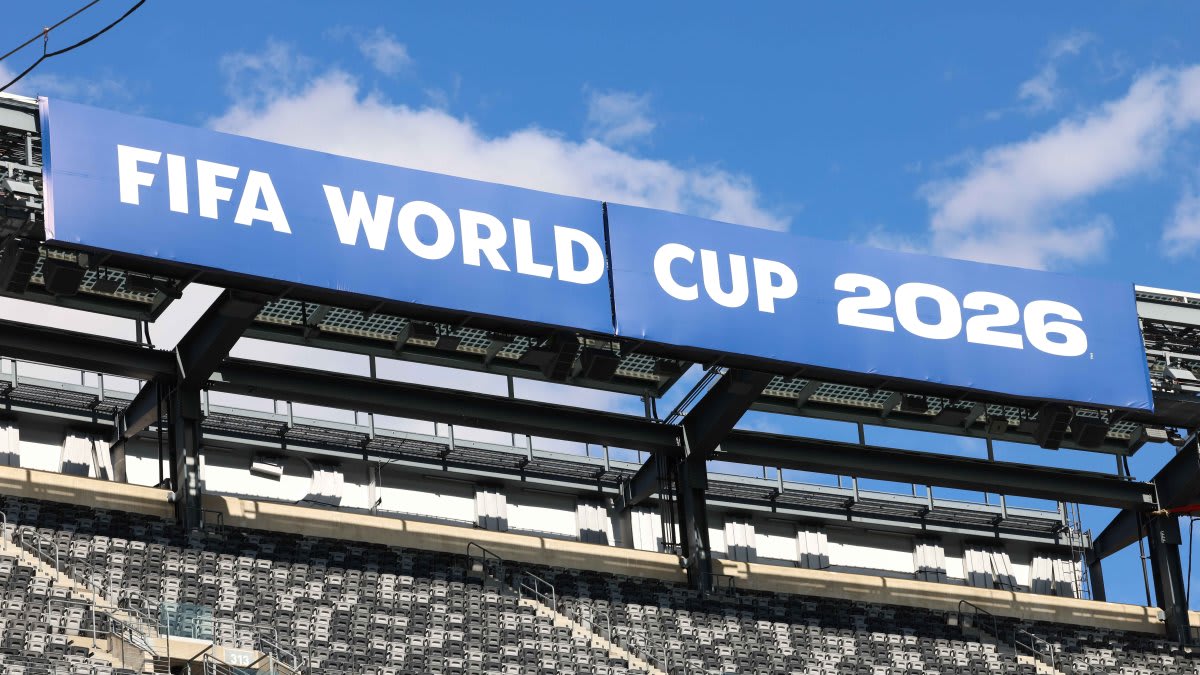
The United States, Canada, and Mexico are days away from jointly hosting the 2026 FIFA World Cup, a historic tournament spanning 16 cities across three countries — even as diplomatic relations among the co-hosts remain frayed by trade disputes, immigration crackdowns, and political antagonism that have defined the Trump era.
The tournament kicks off June 11 in Mexico City and runs through July 19, featuring 48 teams in 104 matches — the largest World Cup in history. But the celebratory atmosphere of international sport is colliding with a period of sustained friction among the three nations that won the hosting rights together in 2018.aljazeera
When the joint bid was awarded seven years ago, it symbolized continental cooperation. That spirit has since given way to tariff wars, threats of annexation, and expanded immigration restrictions. President Trump himself acknowledged the changed dynamic last year, telling FIFA President Gianni Infantino that tensions with Canada and Mexico would make the tournament “more exciting”.reuters
The BBC reported on June 4 that fans heading to North America would “encounter three nations that have experienced a tumultuous period,” noting that strained relations among the hosts form the backdrop of the entire event. Canada’s Global News similarly warned that U.S. policy threatens to “pose problems” for the co-hosting arrangement.bbc
The most immediate concern for fans and organizers has been U.S. immigration policy. On January 1, 2026, the U.S. expanded visa restrictions from 19 to 39 countries, with citizens of several World Cup–qualifying nations — including Iran, Haiti, Senegal, and Ivory Coast — facing full or partial bans on visitor visas. A visa bond program requiring deposits of up to $15,000 was partially waived in May for ticketholders from five African nations with teams in the tournament.time
DHS Secretary Markwayne Mullin said in May that ICE agents would “be out there every day” during the World Cup, focused on counterfeit tickets, human trafficking, and drug smuggling. NBC News reported that no internal guidance had been issued instructing ICE officers to avoid immigration enforcement at stadiums. However, Los Angeles County Sheriff Robert Luna said federal authorities confirmed that “civil immigration enforcement would specifically not take place at any of the games” in his jurisdiction.aljazeera
Smith College professor Andrew Zimbalist, an expert on the economics of sports, offered a cautious assessment. “The most likely outcome is that Trump’s nonsense won’t have an impact,” he told PBS. Others hope the shared undertaking — with 11 U.S. cities, three Mexican cities, and two Canadian cities hosting matches — might offer a reset in relations that tariffs and rhetoric have damaged.pbs
Whether the world’s largest sporting event can serve as a bridge among uneasy neighbors will become clearer when the opening whistle sounds in Mexico City next week.