








Newsletter Subscribe
Enter your email address below and subscribe to our newsletter
Enter your email address below and subscribe to our newsletter

All voices matter
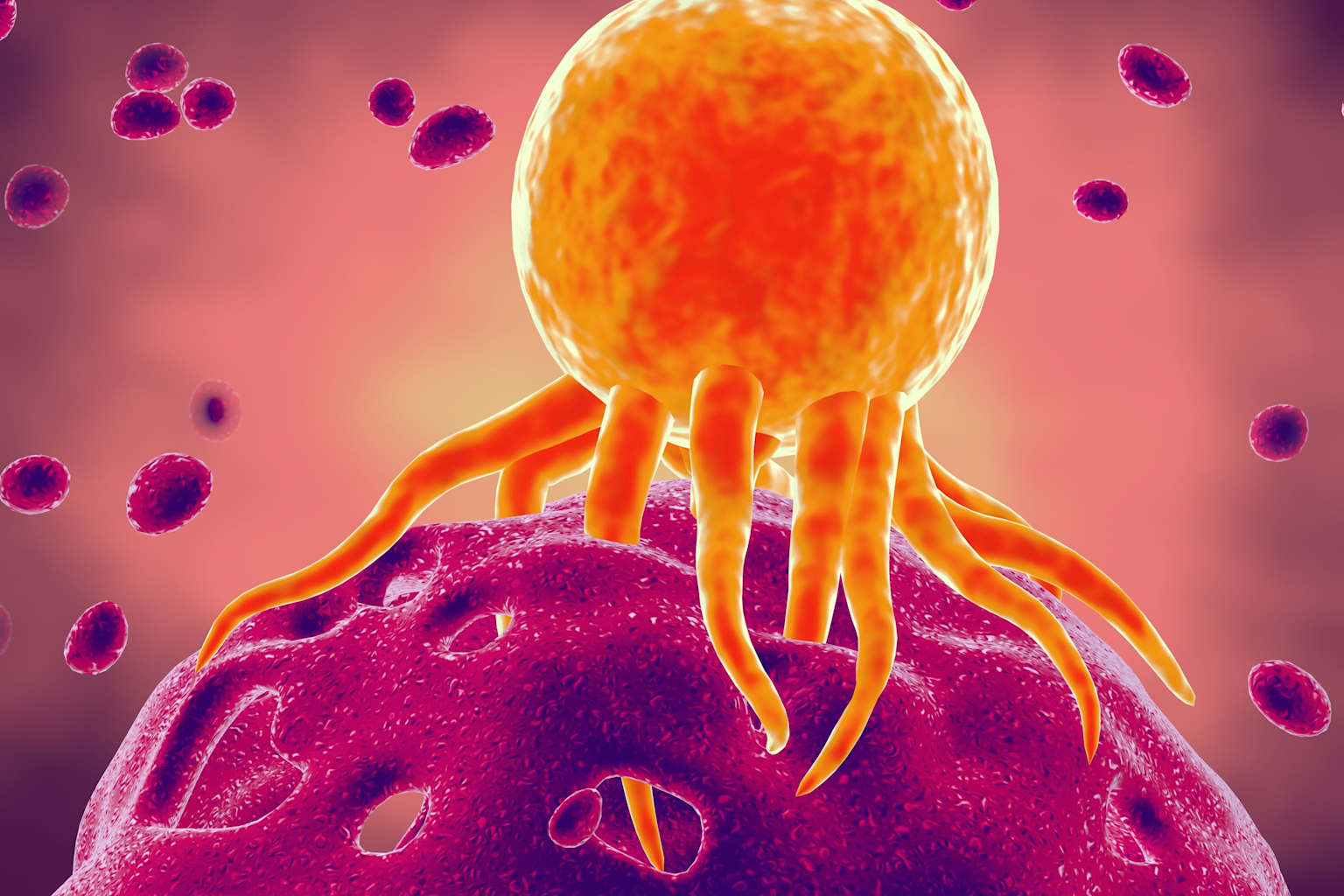
China’s National Medical Products Administration on Monday approved CARsgen Therapeutics’ satricabtagene autoleucel, marking the first regulatory approval anywhere in the world for a CAR-T cell therapy targeting solid tumors. The treatment, also known as satri-cel, is indicated for patients with Claudin18.2-positive advanced gastric or gastroesophageal junction adenocarcinoma who have failed at least two prior lines of therapy.fidelity
The approval breaks a barrier that has defined the CAR-T field since its inception. Since the first CAR-T therapy won FDA approval in 2017 for blood cancers, the technology has remained confined to hematologic malignancies, where circulating cancer cells are more accessible to engineered immune cells. Solid tumors present a hostile microenvironment that has historically blunted CAR-T efficacy.linkedin
Satri-cel targets Claudin18.2, a tight-junction protein overexpressed in gastric and gastroesophageal junction cancers. CARsgen began clinical work on the therapy in 2019 and received orphan drug designation from the U.S. FDA in September 2020. The NMPA granted it breakthrough therapy designation in March 2025, followed by priority review in May 2025. The agency accepted CARsgen’s new drug application in June 2025.carsgen
The approval was based on results from an open-label, multicenter, randomized controlled Phase II trial conducted in China, which demonstrated that satri-cel offered advantages over existing standard therapies in extending both progression-free survival and overall survival.prnewswire
The decision positions China at the forefront of next-generation cell therapy. The country now has eight commercially approved CAR-T products, more than any nation outside the United States. CARsgen is also conducting a Phase 1b/2 clinical trial for satri-cel in advanced gastric and pancreatic adenocarcinoma in North America, as well as trials exploring earlier-line treatment and perioperative use.chinamedaccess
Professor Lin Shen of Beijing Cancer Hospital, the trial’s principal investigator, said existing therapeutic options for patients with advanced gastric cancer who have failed immunotherapy and anti-angiogenic therapies “remain severely limited, resulting in extremely poor survival outcomes”. The approval, she said, “will offer a new treatment option for the broader population of gastric cancer patients”.prnewswire