Newsletter Subscribe
Enter your email address below and subscribe to our newsletter
Enter your email address below and subscribe to our newsletter

All voices matter
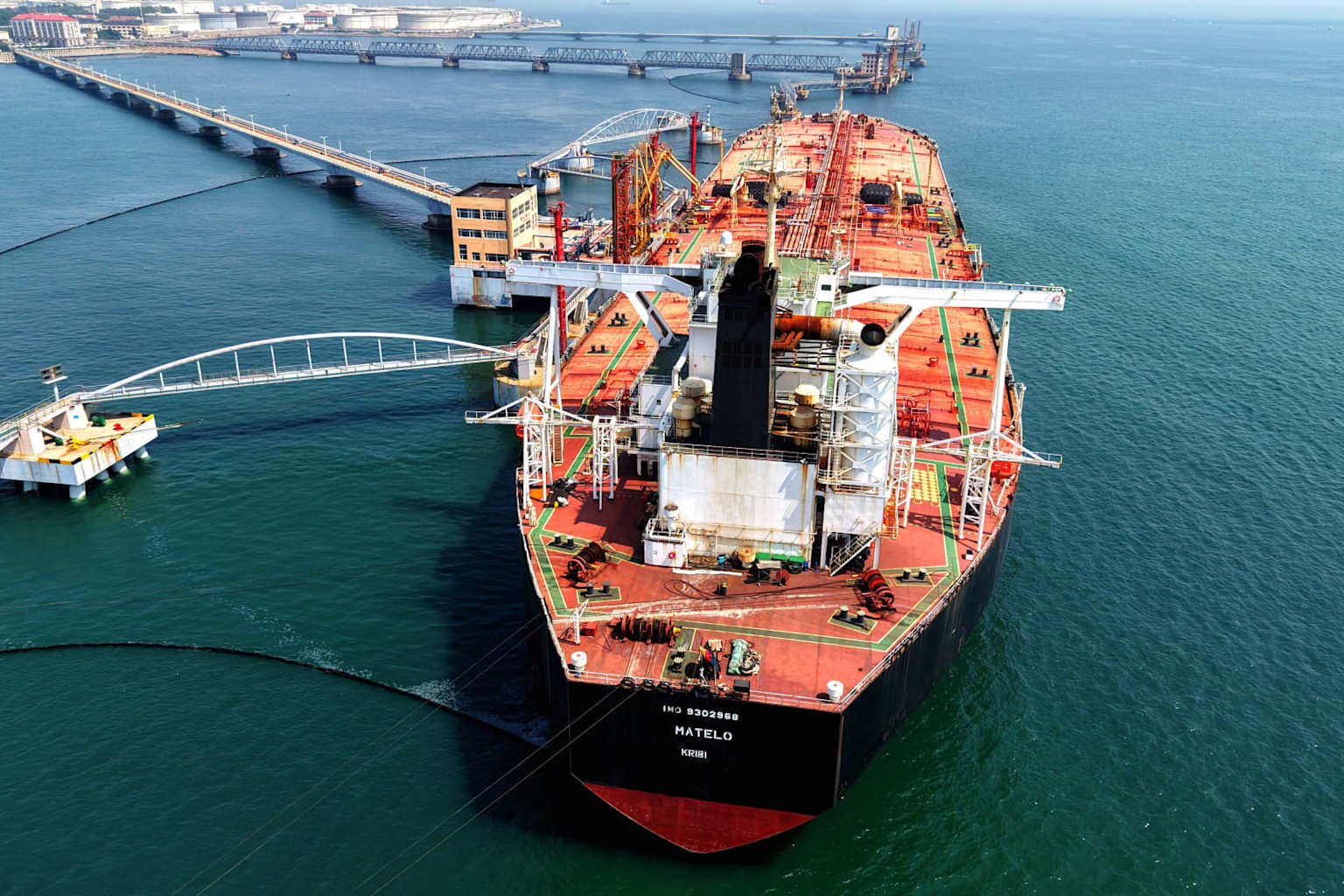
Hedge funds have amassed their most bearish oil positions since the pandemic, betting that the US-Iran peace framework will unleash a wave of Persian Gulf crude supply and push prices lower. Brent crude fell below $79 per barrel on Monday as the short-selling frenzy intensified.
According to Ole Hansen, head of commodity strategy at Saxo Bank, managed money’s net long position in Brent crude has collapsed from a seven-and-a-half-year high of 496,000 contracts to a 2026 low of 114,000 contracts in the week ending June 16, a period during which prospects of a US-Iran peace deal gathered momentum and Brent tumbled 14%. Gross short positions surged to 231,000 contracts, the highest level since the pandemic.x
Goldman Sachs’s top futures trader Robert Quinn said managed money sold a “remarkable” $7.5 billion of oil exposure between June 9 and June 16, extending a seven-week liquidation worth $24.8 billion. Roughly 80% of the selling came from new outright shorts, taking bearish Brent exposure to a ten-year high.substack
Goldman flagged the crowded positioning as creating “an increasingly asymmetric setup if the geopolitical risk premium reawakens,” though its CTA framework warned that another 4% to 5% decline could still trigger more systematic selling. Energy analyst John Kemp noted on June 19 that bearish investors had built a “near-record short position on peace memo, shifting balance of risks”.x
The sell-off followed President Donald Trump’s interim agreement with Iran to reopen the Strait of Hormuz, announced on June 15, which prompted Goldman to cut its fourth-quarter Brent forecast to $80 per barrel from $90 and its 2027 estimate to $75 from $80.cnbc
On Monday, Brent crude fell over 2% to trade below $79 per barrel as prediction markets repriced supply expectations sharply lower. Yet some analysts caution that physical oil inventories have been drawn down by roughly 250 million barrels during months of disrupted shipping through the Strait of Hormuz, and a full normalization of Gulf flows may take weeks. The combination of depleted buffers and record short positioning has left the market vulnerable to a rapid reversal should the fragile ceasefire falter.futunn