Newsletter Subscribe
Enter your email address below and subscribe to our newsletter
Enter your email address below and subscribe to our newsletter

All voices matter
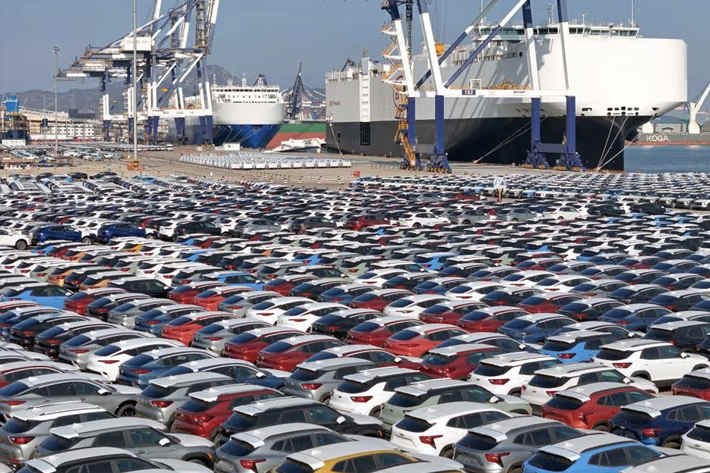
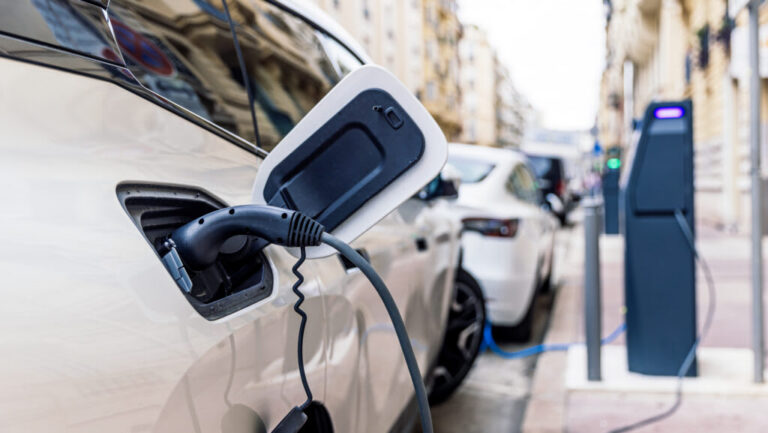
The war in Iran, launched in late February by the United States and Israel, has reshaped the global electric vehicle market, giving Chinese automakers an opening across the developing world as soaring fuel prices push millions of drivers toward battery-powered alternatives. In April, Chinese EV exports reached an all-time high of $9.4 billion, according to analysis by the energy think tank Ember using Chinese customs data.mainichi
Across Africa, the economics of the shift are stark. The daily cost of fueling a petrol-powered motorbike taxi has risen from $4.20 to $5.10 since the war began, compared to roughly $2.30 for an electric motorbike, the Financial Times reported. In Kenya, where fuel prices have climbed about 22 percent since the conflict started, motorbike taxi operators known as “boda-boda” riders are switching in growing numbers.evshift
Delivery rider Lucy Wanjiku told Africanews that switching to electric reduced her daily fuel costs from about 1,000 Kenyan shillings to roughly 600 shillings for charging and battery swaps. Kenya’s President William Ruto responded on May 22 by declaring the first 100,000 electric vehicles imported into the country exempt from import duty.metros
Laos has gone further, banning the import of fuel-powered vehicles for the remainder of 2026 to cut oil import costs.abcnews
Chinese manufacturers have been the primary beneficiaries. BYD saw overseas sales jump more than 71 percent year-over-year in April, while China Passenger Car Association data showed EV exports surged 112 percent from the previous year that same month. African countries imported more than 44,000 electric vehicles from China in 2025, up from 19,000 in 2024, according to China’s commerce ministry. Reuters reported that Africa recorded a 189 percent surge in Chinese EV import orders in 2025, totaling $1.55 billion.reuters
Analysts caution that charging networks have not kept pace. While battery-swap stations are expanding in cities like Nairobi — where exchanges take barely two minutes at companies like Ampersand — rural coverage remains thin. The Associated Press reported that it remains “unclear whether those countries can build charging networks fast enough to support” the wave of imports.feedbagel
The International Energy Agency projects global EV sales will reach 23 million units in 2026, making up nearly 30 percent of all cars sold worldwide. Whether developing nations can translate surging demand into durable adoption will depend on how quickly infrastructure follows the vehicles already on the road.abcnews