Newsletter Subscribe
Enter your email address below and subscribe to our newsletter

ყველა ხმა მნიშვნელოვანია
ყველა ხმა მნიშვნელოვანია
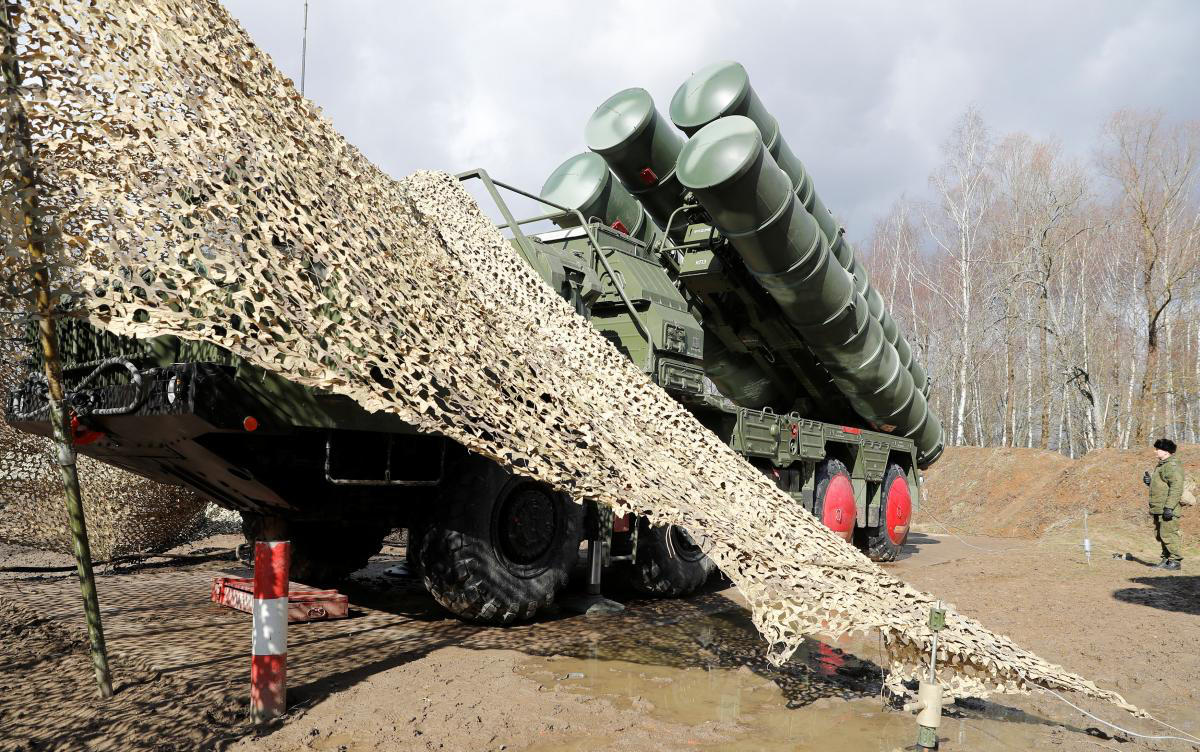
პირველი არხი+5ინტერპრესნიუსი+2პირველი არხი+2რუსეთის არმიამ უკრაინის დედაქალაქ კიევს ბალისტიკური რაკეტებითა და უპილოტო საფრენი აპარატებით შეუტია. უკრაინის პრეზიდენტის, ვოლოდიმირ ზელენსკის ცნობით, რუსულმა ძალებმა კიევის მიმართულებით ბალისტიკური რაკეტების სამი ტალღა გაუშვეს და ჯამში 21 რაკეტა გამოიყენეს. პირველი არხი+6
თავდასხმის შედეგად დაღუპულთა და დაშავებულთა რაოდენობის შესახებ ინფორმაცია განსხვავებულია. 1tv იუწყება ერთი დაღუპულისა და 24 დაშავებულის შესახებ, ხოლო ვოლოდიმირ ზელენსკის ცნობით, დაღუპულია ორი ადამიანი, დაშავებულთა რაოდენობა კი 34-ს შეადგენს. interpressnews-ის ცნობით, თავდაპირველად გავრცელდა ინფორმაცია 6, ხოლო მოგვიანებით 15 დაშავებულის შესახებ. პროკურატურის ინფორმაციით, დაშავებულთა შორის არიან არასრულწლოვნები და მცირეწლოვანი ბავშვები. პირველი არხი+5
იერიშების სამიზნე გახდა გოლოსეევსკის, ობოლონის, პეჩერსკის, სვიატოშინის, დნიპროვსკისა და დარნიცკის რაიონები. დაზიანდა საცხოვრებელი სახლები, ბენზინგასამართი სადგური, სამედიცინო დაწესებულება, მეტროსა და რკინიგზის ინფრასტრუქტურა, სავაჭრო ცენტრები, საწარმოები, ენერგოობიექტები და მონასტერი. პირველი არხი+5
რუსეთის პრეზიდენტის თანაშემწის, იური უშაკოვის განცხადებით, რუსეთი „პრინციპში მზად არის“ სამშვიდობო მოლაპარაკებების განახლებისთვის, ხოლო აშშ-ის პრეზიდენტის, დონალდ ტრამპის თქმით, „ომის დასრულებასთან მსოფლიო ასე ახლოს არასდროს ყოფილა“. თავის მხრივ, ვოლოდიმირ ზელენსკიმ განაცხადა, რომ რუსეთმა დარტყმა მოლაპარაკებების რაუნდის დასრულებისთანავე განახორციელა, რაც მისი თქმით, რუსეთის დამოკიდებულებაში ცვლილებას არ ნიშნავს. ინტერპრესნიუსი+3