Newsletter Subscribe
Enter your email address below and subscribe to our newsletter
Enter your email address below and subscribe to our newsletter

All voices matter
Businesses across the eurozone reported the slowest rise in input costs since the outbreak of war in the Middle East, according to flash purchasing managers’ index data released Tuesday, as lower energy prices following a tentative U.S.-Iran peace agreement began filtering through supply chains.
The S&P Global Flash Eurozone Composite PMI rose to 49.5 in June from 48.5 in May — a three-month high — though it remained below the 50.0 threshold separating expansion from contraction, indicating a third consecutive monthly decline in private sector activity.reuters
“Lower energy prices are already filtering through to businesses and rates of input cost and selling price inflation have moved lower in June as a result, hinting at a potential peaking of the recent price spike,” said Chris Williamson, chief business economist at S&P Global Market Intelligence.spglobal
Input cost inflation eased to its lowest level since February, just before the U.S. and Israel launched military operations against Iran on February 28. The improvement was seen across manufacturing and services in Germany, France, and the rest of the euro area. However, manufacturers continued to report substantially lengthened supplier delivery times, and firms appeared to pause the inventory-building spree that had characterized the war months, with purchasing activity broadly flat in June.spglobal
The recovery remains geographically uneven. Germany posted its sharpest contraction in 18 months, with its composite PMI falling to 48.0, while France and the broader eurozone saw rates of decline ease. Services activity — particularly in tourism and leisure — showed early signs of recovery from war-related disruptions.reuters
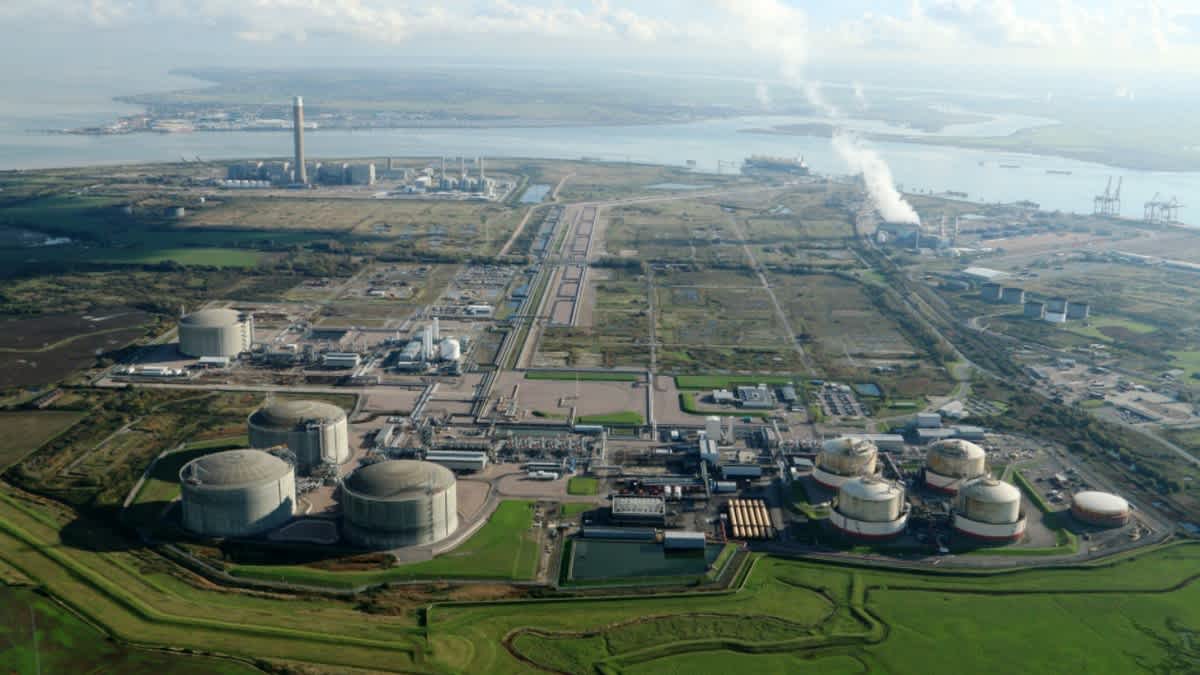
The easing in cost pressures stems largely from falling crude prices after Washington and Tehran signed a memorandum of understanding on June 17, committing to reopen the Strait of Hormuz. Oil futures continued to decline on Tuesday amid improving tanker traffic through the waterway, though analysts caution that full normalization of energy flows will take months.aljazeera
Most PMI survey responses were collected before the deal was signed, suggesting the full impact of lower energy costs may not emerge until July’s data.spglobal
Separately, European shares fell sharply on Tuesday. The STOXX 600 dropped to its lowest point in over a week as concerns about elevated corporate spending on artificial intelligence spread from Wall Street and Asia into European trading. AI-linked stocks tumbled in Japan and South Korea before European technology names fell steeply at the open.yahoo
Rising expectations that the Federal Reserve will raise interest rates — traders now price 50 basis points of hikes by year-end — added further pressure. The DAX and CAC 40 futures both fell more than 1% in early trading.usnews