Newsletter Subscribe
Enter your email address below and subscribe to our newsletter
Enter your email address below and subscribe to our newsletter

All voices matter
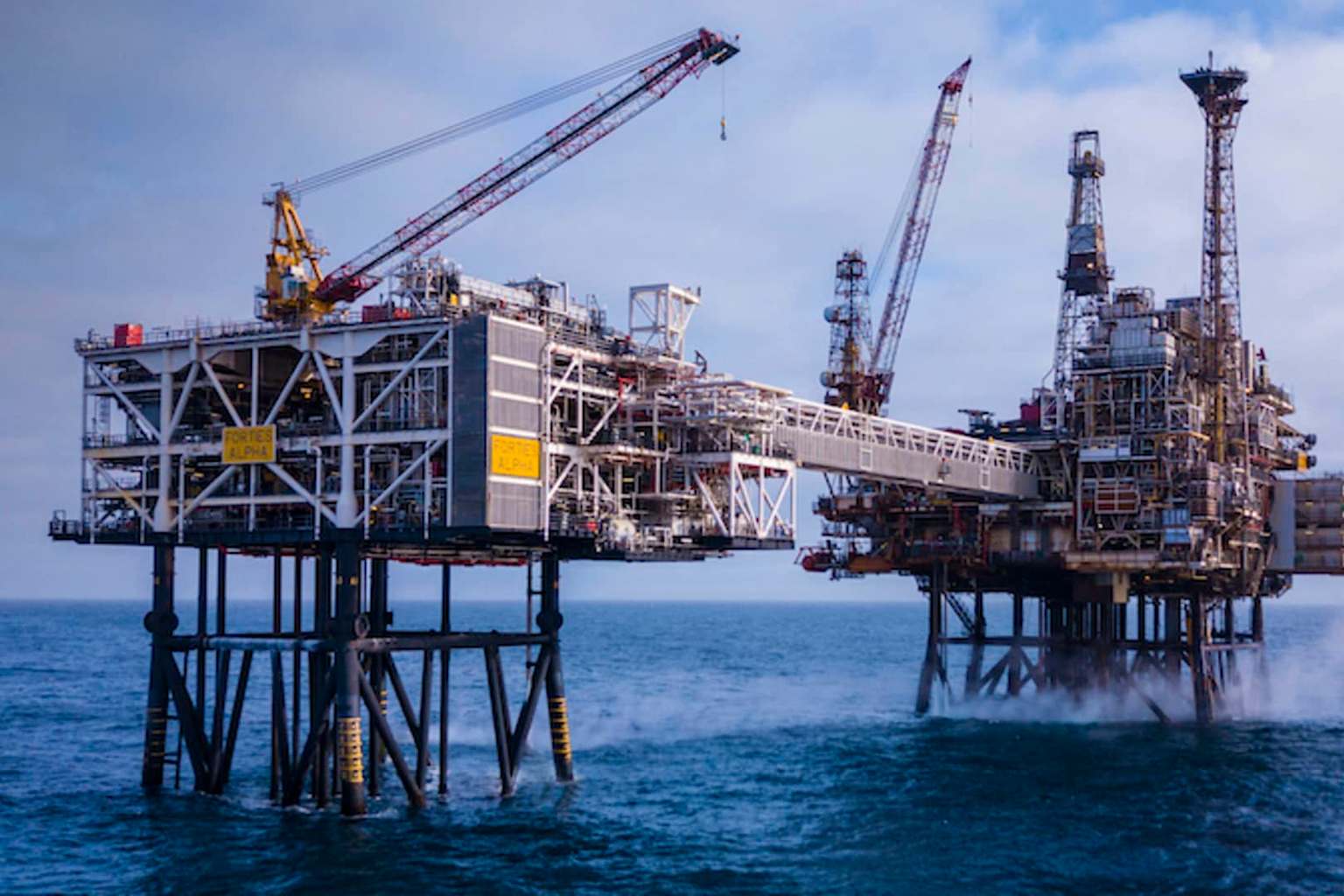
Oil prices dropped more than 3% on Monday after the United States and Iran concluded their first round of high-level peace talks in Switzerland, with Vice President JD Vance signaling progress on negotiations and confirming the Strait of Hormuz remained open to shipping traffic.
Brent crude futures fell 3.3% to close at $77.90 per barrel, while West Texas Intermediate futures lost 2.3%, according to CNBC. The decline came as mediators from Qatar and Pakistan reported that U.S. and Iranian representatives had agreed on a framework intended to achieve a final settlement within 60 days.cnbc
The Trump administration formally issued waivers on Iranian oil sales last week, following through on commitments made in a memorandum of understanding signed on June 14. The agreement allows Iran to immediately resume selling crude oil and fuel, with the U.S. Treasury granting waivers for “the exportation of Iranian crude, petroleum and derivatives as well as all related services, including banking transactions, insurance, transportation,” according to a senior U.S. official.nytimes
Ship tracking data showed two crude tankers carrying nearly 2 million barrels of oil navigated through the Strait of Hormuz on Monday, indicating a resurgence in maritime traffic, Reuters reported. At least three tankers carrying Iranian oil sailed through the U.S. naval blockade in recent days, with a fourth empty vessel heading toward the Gulf of Oman.reuters
The price relief marks a dramatic retreat from the wartime peak of $126.41 per barrel that Brent touched on April 30, when Iran’s blockade of the strait and the U.S. naval confrontation throttled global oil flows. Prices have now fallen roughly 38% from that high.cnn
However, the talks in Switzerland exposed persistent divisions. Iran did not engage in negotiations regarding its nuclear program and did not agree to any new commitments beyond the memorandum’s implementation, Foreign Ministry spokesperson Esmaeil Baghaei told IRNA. Iran also accused the U.S. of failing to ensure a ceasefire in Lebanon.reuters
David Roche from Quantum Strategy cautioned that the apparent supply recovery is driven by “inventory liquidation rather than a genuine recovery in production,” which could leave the market exposed once reserves are exhausted. Shipowners have also expressed reluctance to fully resume Hormuz transits, with Mitsui O.S.K. Lines telling the Financial Times that operations would not restart “until safety has been sufficiently confirmed”.cnbc
The talks, held at the Swiss resort of Bürgenstock, represented the first direct U.S.-Iran engagement since the memorandum was signed last week. Technical discussions are expected to continue through the week.reuters