Newsletter Subscribe
Enter your email address below and subscribe to our newsletter
Enter your email address below and subscribe to our newsletter

All voices matter
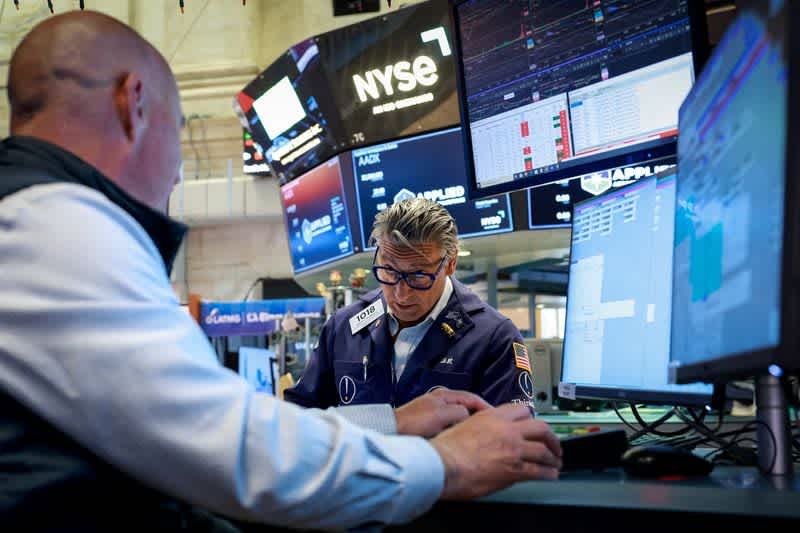
The euro slipped below 1.14 against the U.S. dollar on Tuesday, extending a month-long decline as traders continued to price in Federal Reserve rate hikes following the central bank’s hawkish pivot at its June meeting. EUR/USD traded near 1.1385, its lowest level since March, while the U.S. Dollar Index held above 101 after touching its highest point in more than a year last week.xe
The greenback’s surge traces back to the June 17 Federal Open Market Committee decision, where new Chair Kevin Warsh oversaw a unanimous vote to hold rates at 3.50%–3.75% but delivered a sharp hawkish surprise through updated projections. The revised dot plot showed nine of 18 officials now expecting at least one rate hike before year-end, with the median year-end rate forecast jumping to 3.8% from 3.4% in March.stockstracker
Markets moved quickly to reprice. Bank of America now forecasts three hikes totaling 75 basis points this year, while Deutsche Bank expects two increases of 25 basis points each, according to Reuters. Derivatives markets imply roughly 41 basis points of tightening by December, per LSEG data.reuters
The European Central Bank raised its deposit rate by 25 basis points to 2.25% on June 11, its first increase since 2023, citing inflation pressures from the Iran-linked energy shock. But the ECB’s data-dependent, meeting-by-meeting approach and refusal to pre-commit to further tightening left investors underwhelmed relative to the Fed’s more aggressive posture.europa
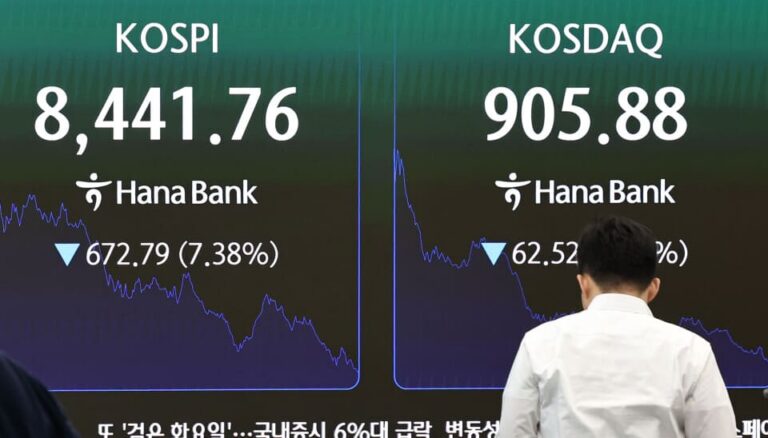
European equities fell broadly on Tuesday, compounding the currency pressure. The Stoxx Europe 600 dropped around 0.9% in early trading as technology stocks declined more than 2.5%, led by semiconductor names including ASML and STMicroelectronics. Reuters reported that concerns over debt-funded AI spending and stretched valuations in the sector added to the risk-off mood sparked by the Fed’s rate-hike signals.tradingeconomics
With the dollar well-supported by widening rate expectations and European growth still fragile, analysts see limited near-term relief for the euro unless incoming U.S. data weaken the case for tightening.