Newsletter Subscribe
Enter your email address below and subscribe to our newsletter
Enter your email address below and subscribe to our newsletter

All voices matter

China’s crude oil imports plunged to an eight-year low in May, and analysts now warn that a portion of the demand lost during the US-Iran war may never come back — a structural shift that has helped prevent the worst-case oil price scenarios from materializing.
Before the war began in late February, China was importing an average of about 11.6 million barrels per day. By May, that figure had collapsed to roughly 7.8 million barrels per day, the lowest since late 2017, according to Chinese customs data. The drop represented a decline of nearly 30% from pre-war levels, as Beijing drew down stockpiles rather than scramble for replacement barrels on a disrupted global market.energyconnects
Bloomberg reported on Sunday that Rystad Energy estimates between 200,000 and 600,000 barrels per day of transportation fuel demand lost during the conflict may not return this year. Energy Aspects puts the permanent loss at approximately 300,000 barrels per day. The war, analysts say, has accelerated a pre-existing transition away from gasoline and diesel, driven by China’s rapid adoption of electric vehicles — which now account for more than half of new car sales in the country.caliber
Reuters reported that gasoline sales at Sinopec, the world’s largest refiner, fell 8% year-on-year in April, while diesel dropped 6%. Traders described industrial and logistics clients that had “vanished entirely,” having already switched from diesel trucks to electric alternatives. Sinopec projects national demand for gasoline, diesel, and jet fuel will decline by about 10% year-on-year in the second and third quarters.reuters
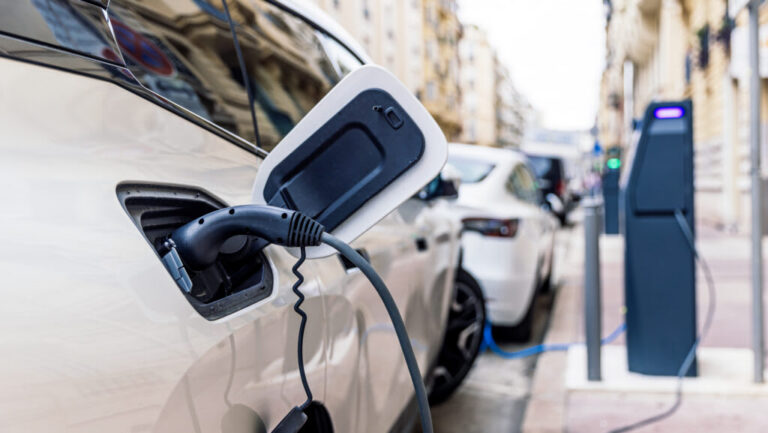
The structural underpinning is clear: by the end of 2025, new energy vehicles accounted for over 50% of new car sales domestically, with the total number of EV charging points in China reaching 21 million by February 2026. The war-driven price spike only reinforced the economic logic of electrification.cnn
China’s import restraint has been credited as one of the key reasons oil prices peaked near $120 a barrel rather than the $200 some analysts had warned was possible if Iran’s Kharg Island export facilities were damaged. Bloomberg Intelligence analyst Sal Yilmaz told Axios that “if Chinese imports had remained at pre-war levels, oil prices would likely be much higher today”.axios
JPMorgan expects Chinese imports to begin rebounding from August, but even optimists acknowledge the recovery will be incomplete. The Iran war, it appears, has not merely disrupted China’s oil appetite — it has permanently diminished it.cnbc