Newsletter Subscribe
Enter your email address below and subscribe to our newsletter
Enter your email address below and subscribe to our newsletter

All voices matter
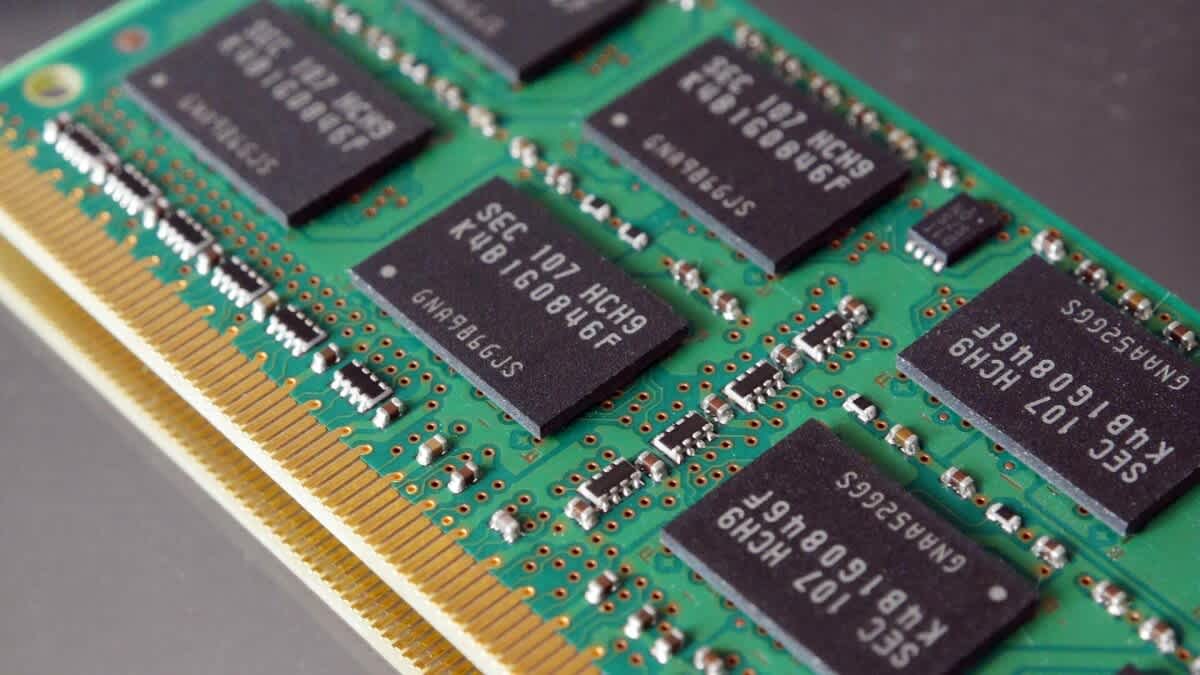
The global memory crisis has cascaded down to the oldest DRAM standards still in production. DDR2 contract prices rose 55 to 60 percent in the second quarter of 2026, with a further 35 to 40 percent increase forecast for the third quarter, according to a report published this week by Taiwanese market intelligence firm TrendForce. The surge marks a new phase in the AI-driven memory shortage, as hardware makers downgrade their designs to older memory generations just to secure supply.trendforce
TrendForce said the price spikes are a direct result of structural tightening in mature-node DRAM supply. As Samsung, SK Hynix, and Micron have shifted wafer capacity toward high-bandwidth memory for AI data centers — where margins run at 70 percent or higher — availability of standard and legacy DRAM has collapsed. Some manufacturers are now replacing DDR4 designs with DDR3, while others are swapping DDR3 components for DDR2, a standard that first shipped in 2003, according to The Next Web.thenextweb
The shortage has rippled across consumer electronics. IDC projected earlier this year that smartphones, PCs, and tablets could see price increases of 10 to 20 percent by the end of 2026. In early June, a coalition of U.S. industry groups representing automakers, retailers, and medical device makers wrote to the Treasury and Commerce departments warning that “an urgent imbalance in the market for memory chips could lead to significant and sustained near-term price increases for American households,” according to Reuters. Apple CEO Tim Cook told The Wall Street Journal on June 17 that price hikes on the company’s products were “necessary” in response to rising memory and storage costs.usnews
Samsung warned during its April earnings call that the supply-demand gap is expected to widen into 2027. “The supply shortfall compared to the demand for 2027 is anticipated to increase even more than in 2026,” said Kim Jaejune, head of Samsung’s memory division, as reported by Nikkei Asia. The company said its demand fulfillment rate had dropped to record lows, with some customers already placing orders for 2027.pcmag
The laptop market has also been affected. TrendForce reported that manufacturers including Dell and Lenovo face pressure to downgrade RAM in mid-range notebooks, with machines that previously shipped with 16GB of memory likely to come with 8GB. KB Securities estimated that DRAM fulfillment rates currently sit at roughly 60 percent overall and below 50 percent for server memory.extremetech
The root cause remains the reallocation of production to HBM, which consumes approximately three times the wafer capacity of standard DRAM per gigabyte, according to a Micron executive. Samsung’s new P4 plant in Pyeongtaek, seen as a key source of additional capacity, is unlikely to come online before 2027. One DRAM supplier suggested in March that the shortage could persist for as long as five years.chosun
“What we are observing is not merely a temporary pressure, but a tsunami-like disruption arising from the memory supply chain, with consequences affecting the entire consumer electronics sector,” Francisco Jeronimo, who leads mobile device research at IDC, said in a February report.cnn