



Newsletter Subscribe
Enter your email address below and subscribe to our newsletter

Enter your email address below and subscribe to our newsletter
All voices matter
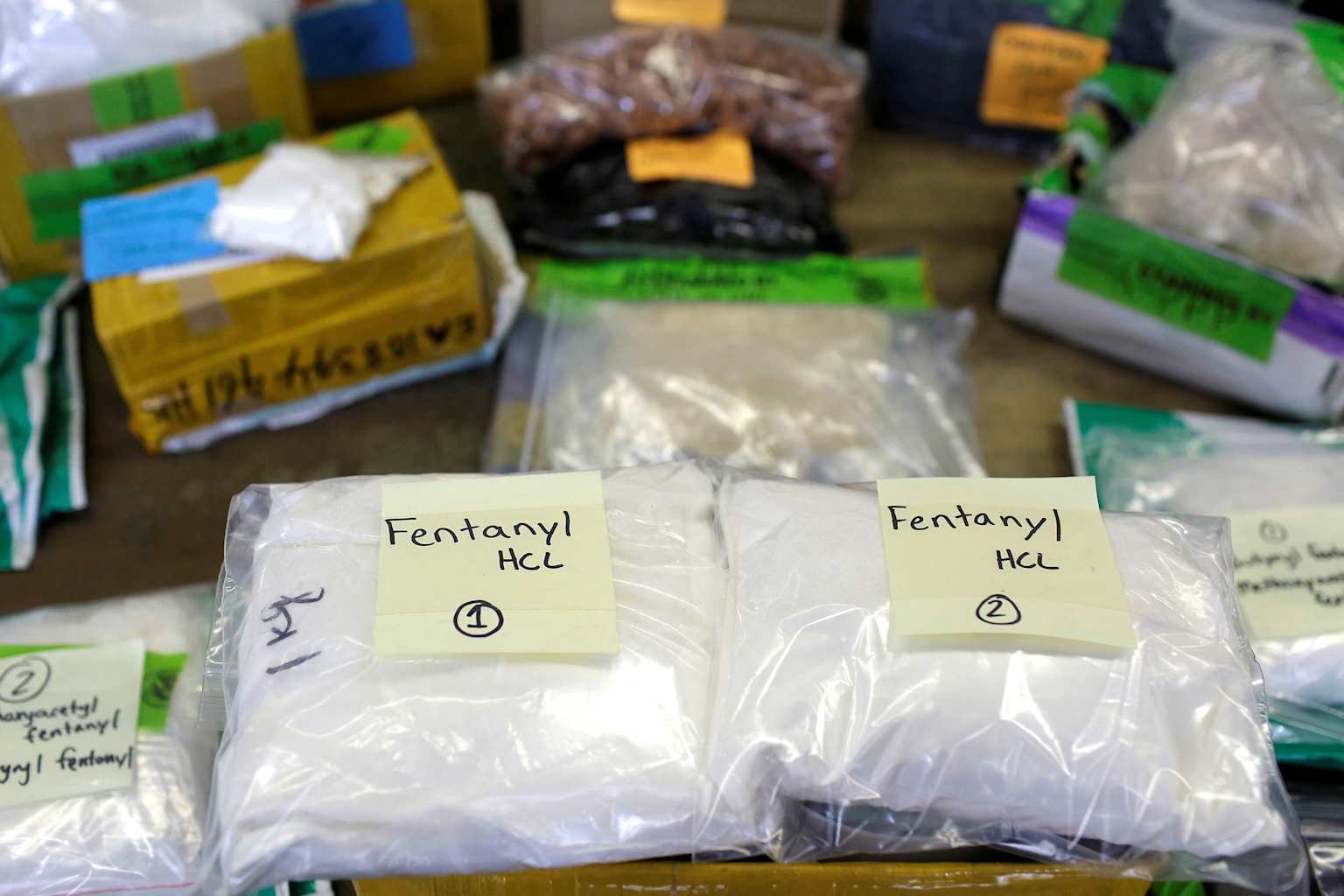
A Nikkei investigation published Sunday has revealed that a Chinese criminal organization suspected of illegally exporting fentanyl precursor chemicals also ran extensive cryptocurrency scams through Japanese entities, using blockchain technology and Japanese internet domains to defraud victims worldwide.
The investigation centers on Hubei Amarvel Biotech, a Wuhan-based chemical manufacturer whose executives were convicted in February 2025 in a Manhattan federal court for conspiring to import fentanyl precursors into the United States. Amarvel’s Japanese front, a Nagoya-registered company called Firsky KK, served as both a logistical hub for the fentanyl supply chain and a platform for financial fraud, according to the report.agenzianova
Using cryptocurrency wallet addresses uncovered in U.S. court documents, Nikkei developed a blockchain analysis tool to trace Amarvel’s fund movements after Firsky relocated to Nagoya in September 2022. The analysis revealed connections to Chinese financial fraud groups and identified a scam token called “Zksync.jp,” designed to mimic a legitimate blockchain payment service and trick users into surrendering their funds. Victims in Japan and elsewhere suffered losses amounting to hundreds of millions of yen — exceeding $1 million — according to the report.hankyung
The fraudulent token exploited a “.jp” domain, which typically requires a Japan-based registrant, lending it an air of legitimacy. Nikkei identified the domain registrant as a Chinese national residing in Hong Kong with close ties to Amarvel’s financial operations.theblock
Nikkei also linked the network to individuals sanctioned by the U.S. Treasury’s Office of Foreign Assets Control, identifying more than 120 transactions involving entities connected to the Wuhan Yuancheng Group. U.S. blockchain analysis firm Chainalysis described the transaction patterns as “a typical method of money laundering”.hankyung
The findings build on a June 2025 Nikkei-Bellingcat joint investigation that first exposed Firsky KK’s role as a fentanyl trafficking hub. The key figure behind the network, identified as Xia Fengzhi, a Chinese national who once resided in Okinawa, controlled at least 18 companies across China, Japan, and the United States. His current whereabouts remain unknown, and Firsky was abruptly dissolved in July 2024.mk
In May 2026, the U.S. Drug Enforcement Administration publicly acknowledged for the first time that Japan plays a role in fentanyl trafficking routes to the United States. Former DEA official Ray Donovan has noted that Japan’s reputation for low crime and limited drug enforcement scrutiny made it “particularly attractive to traffickers of precursor chemicals”.agenzianova