





Newsletter Subscribe
Enter your email address below and subscribe to our newsletter

Enter your email address below and subscribe to our newsletter
All voices matter
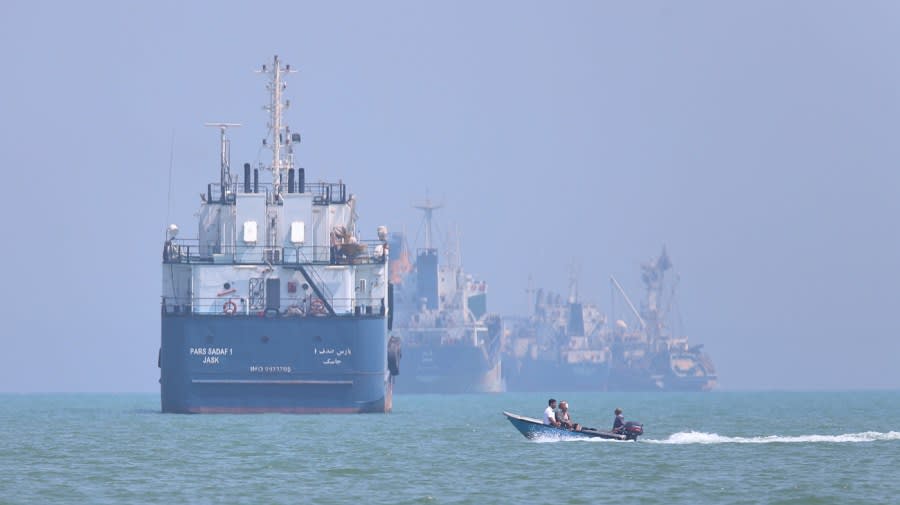
The Strait of Hormuz is open again after nearly four months of closure during the U.S.-Iran war, but the damage to global oil supplies may take years to undo. Analytics firm Kpler estimates the world lost 1.15 billion barrels of oil supply during the conflict, leaving inventories at critically low levels and raising the prospect of sustained price pressure well into 2027.keyt
Even with the strait reopening following a memorandum of understanding signed between the United States and Iran this week, analysts warn the logistical challenges of restoring normal oil flows — de-mining shipping lanes, repositioning tankers, and restarting shuttered production — will keep the market tight for months.keyt
The U.S. Strategic Petroleum Reserve has fallen to 340.3 million barrels, its lowest level since 1983, according to Department of Energy data released on June 15. The SPR has declined by 75 million barrels, or 18%, since the war began in late February, CNN reported.axios
At the Cushing, Oklahoma storage hub — the delivery point for U.S. crude futures — inventories dropped to roughly 20 million barrels after eight consecutive weeks of declines, a level traders consider an operational minimum. Bloomberg reported that customers desperate for oil are draining tanks faster than producers can refill them.bloomberg
The IEA’s 32 member nations released a combined 400 million barrels in March, the largest emergency stock release in the agency’s history, but even that historic intervention was absorbed in roughly 20 days given the scale of the disruption.aljazeera
“The market has jumped 7 steps ahead of where we are now,” Helima Croft, head of global commodity strategy at RBC Capital Markets, told CNN. “Everyone’s like: ‘This is over!’ But there’s a major logistical challenge to get back to where we were.”keyt
Matt Smith of Kpler said that “regardless of what happens in the coming weeks in the Strait of Hormuz, US consumers are in for higher prices in the summer months.”keyt
The International Energy Agency estimates that even if global production exceeds demand by nearly 5 million barrels per day, replenishing the 1.15 billion barrels of lost supply would take approximately a year. President Donald Trump warned at the G7 summit in Versailles on Wednesday that without the strait reopening, “we run out of reserves in about four weeks.”fnnews
Not all analysts share the bearish outlook. Vikas Dwivedi of Macquarie Group argued that pre-war oversupply still provides some buffer. “We had a lot of cushion, and we’ve eaten through the cushion,” he told CNN. “We’re below where we were before last year — but not by a lot.”keyt
Still, the structural deficit left behind by the largest supply disruption in modern oil market history has created what Kpler described in April as a market drawing down at roughly 6 million barrels per day at its peak. Whether prices stabilize or spike again will depend on how quickly physical barrels begin flowing through the strait — a process the industry expects will take months, not weeks.kpler