Newsletter Subscribe
Enter your email address below and subscribe to our newsletter

Enter your email address below and subscribe to our newsletter
All voices matter
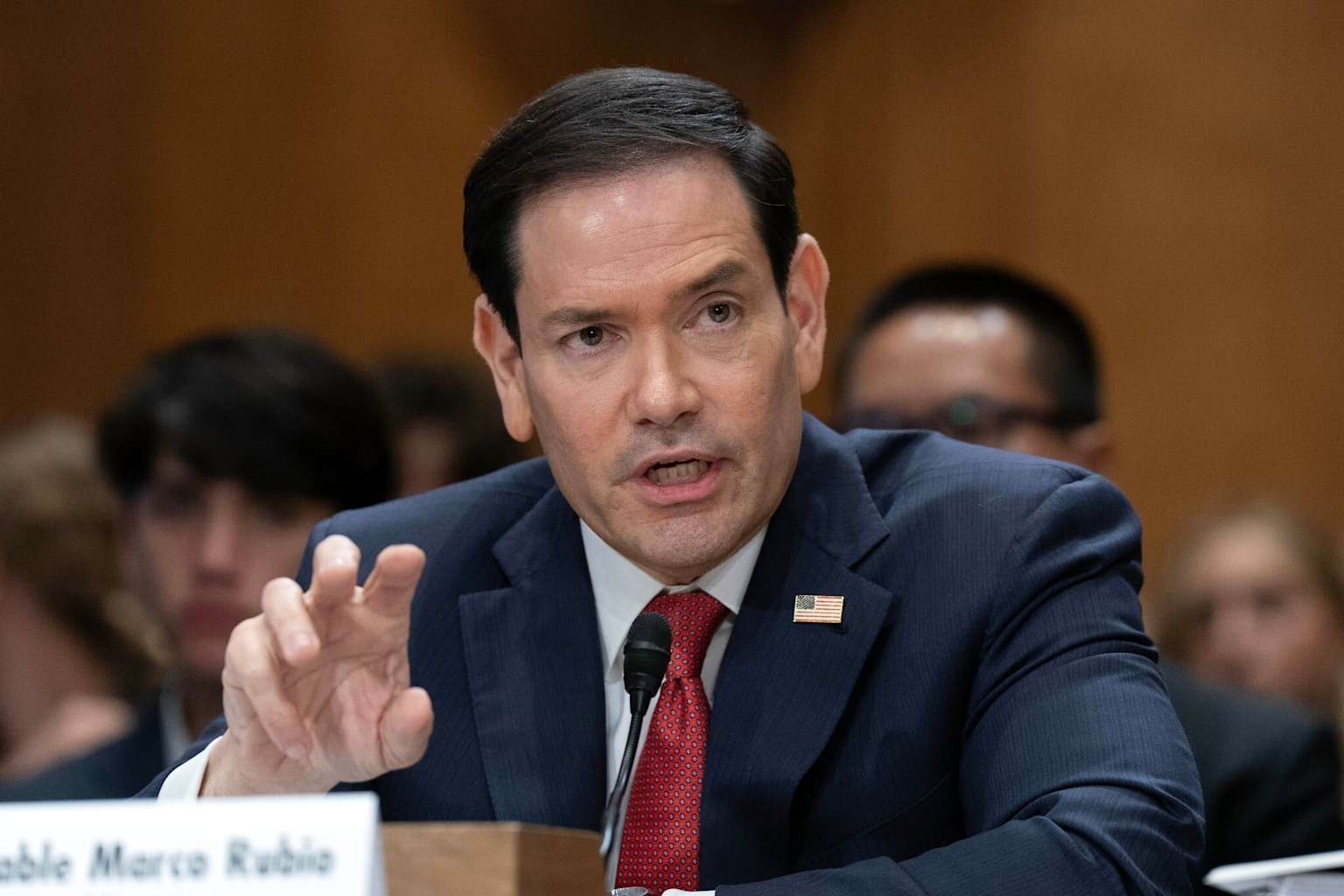
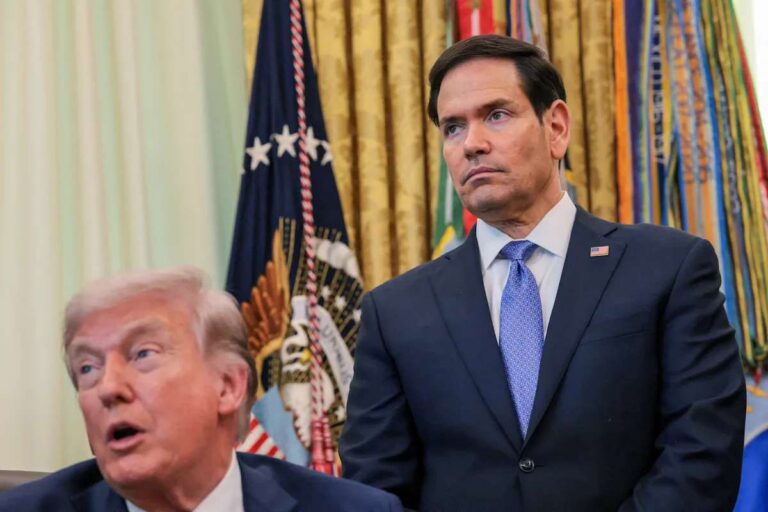
Israeli Prime Minister Benjamin Netanyahu’s directive to expand military control over the Gaza Strip to 70% has drawn a rare public rebuke from the Trump administration, with Secretary of State Marco Rubio telling lawmakers on Tuesday that the plan contradicts the U.S. vision for the territory.
“We have a plan. It doesn’t call for that,” Rubio said during congressional testimony when pressed on Netanyahu’s announcement, according to Anadolu Agency. The remarks, made during back-to-back hearings on Capitol Hill, represent one of the clearest signals of daylight between Washington and Jerusalem on Gaza policy.aa
Netanyahu issued the directive last Thursday during a conference in the occupied West Bank, telling attendees that Israel already controls 60% of Gaza and that he had ordered the military to push further.reuters
“We were at 50%; we moved to 60%. My directive is to move to 70%,” Netanyahu said, according to footage broadcast by Israel’s Channel 12. When an audience member called for Israel to seize the entire enclave, the prime minister responded: “Let’s take it step by step. First, we aim for 70”.bbc
Under the U.S.-brokered ceasefire agreement reached in October 2025, Israel’s military was to remain in control of 53% of Gaza, with the framework envisioning gradual withdrawals as part of subsequent phases. Reuters reported that Israel has already quietly expanded its footprint to roughly 64%, pushing westward beyond the “yellow line” delineated in the original deal.reuters
Hamas condemned the announcement as a “dangerous escalation” and accused Netanyahu of pursuing ethnic cleansing and forced displacement of Palestinians.reuters
Indirect negotiations between Israel and Hamas have largely stalled, with mediators set to resume disarmament talks in Egypt this week. Hamas has refused to accept the disarmament proposal put forward by the U.S.-led Board of Peace, arguing that Israel must first fulfill its obligations under phase one of the ceasefire, including humanitarian commitments.timesofisrael
The Board of Peace is now considering alternatives to President Trump’s original 20-point plan after months of little progress, according to Arab diplomats involved in the process.timesofisrael
Egypt has launched an urgent intervention to prevent the ceasefire from collapsing entirely, warning Israel that further territorial expansion could unravel remaining diplomatic channels. Cairo summoned a senior Hamas delegation led by Khalil al-Hayya for emergency discussions and has been coordinating with mediators from Qatar, Turkey, and the United States.aljazeera
A senior Hamas representative told Al Jazeera that the group received Egyptian communications aimed at de-escalating tensions, with a meeting in Cairo anticipated soon. Hamas has warned that the ceasefire is “on the verge of collapse” due to ongoing Israeli violations and has urged guarantor nations to take “serious and urgent” actions.aljazeera
The ceasefire, established in October 2025 to end two years of conflict that killed more than 72,000 Palestinians, remains fragile as Netanyahu’s expansion plans test both the agreement’s limits and Washington’s patience.aljazeera