






Newsletter Subscribe
Enter your email address below and subscribe to our newsletter

Enter your email address below and subscribe to our newsletter
All voices matter
The United Nations children’s agency warned on Tuesday that surging global transport costs and supply chain disruptions linked to the war in Iran are threatening the delivery of lifesaving aid to children worldwide, with some shipments delayed by up to six months.
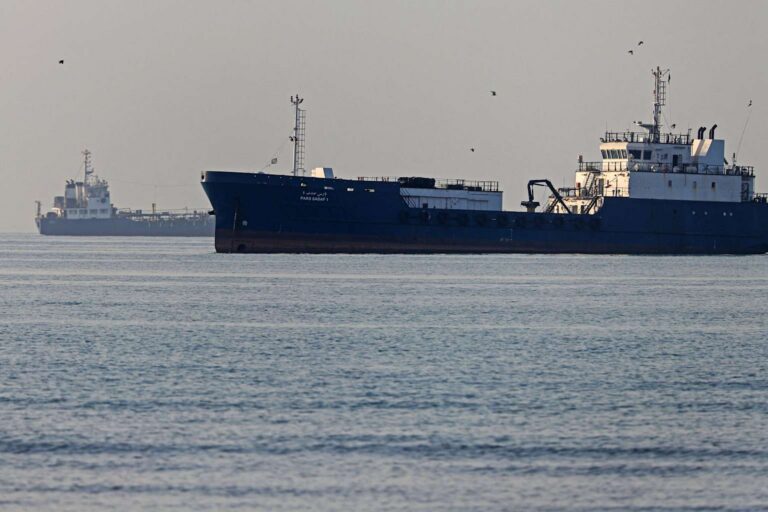
Nearly 100 days into the conflict, heightened insecurity around Gulf shipping routes has driven up fuel prices and insurance premiums, while congestion at alternative ports has compounded the crisis, according to Reuters. UNICEF said it is increasingly relying on costly air freight due to shipping delays, and in the first quarter of 2026 alone, the agency nearly exhausted annual contributions from logistics partners that donate charter flights.reuters
Rerouting shipments around the Cape of Good Hope is adding two to three weeks to delivery times, UNICEF estimates. Jean-Cedric Meeus, UNICEF’s chief of global transport and logistics, described the situation as unprecedented.usnews
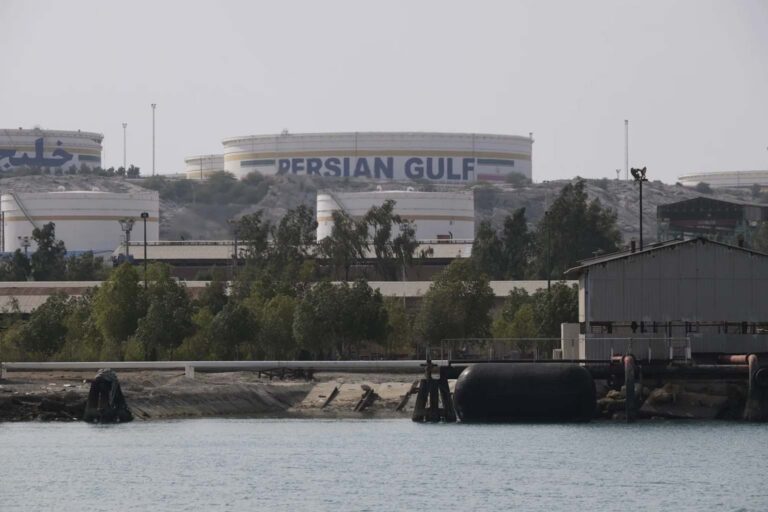
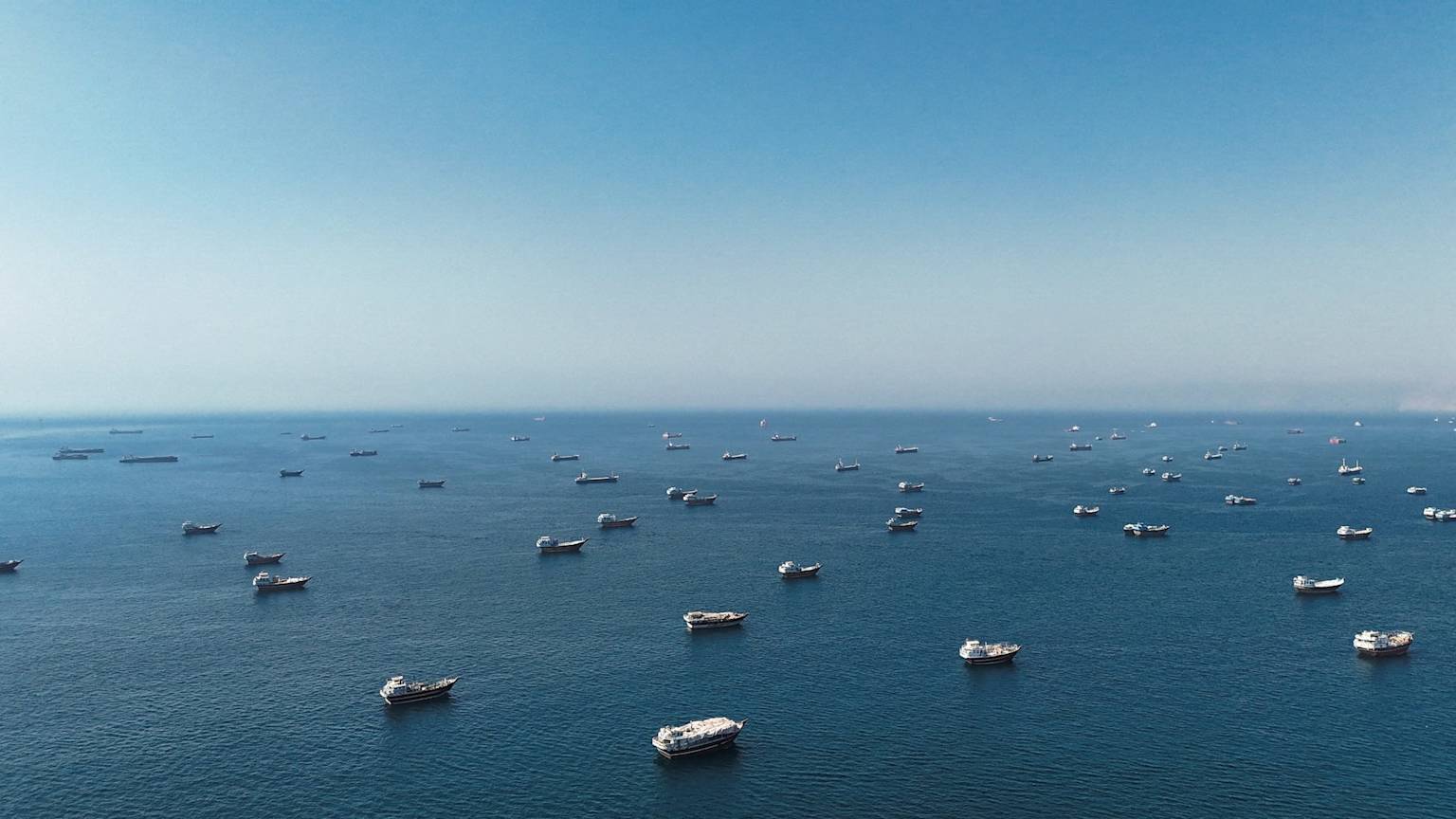
The Strait of Hormuz, which carries roughly a quarter of global seaborne oil trade, has been largely blocked since late February 2026 following U.S. and Israeli strikes on Iran. Although Tehran briefly declared the strait open in April, the Islamic Revolutionary Guard Corps reversed course within a day. The International Rescue Committee warned in March that airspace and maritime closures were “beginning to severely affect global humanitarian supply chains”.rescue
The disruptions extend well beyond the immediate conflict zone. Aid organizations including the World Food Program and Save the Children have been forced to reroute shipments over land or through alternative waterways, adding weeks of delay and millions of dollars in costs. The UN described it in April as the most serious supply chain disruption since the COVID-19 pandemic.africanews
As of late February, some 3.2 million people had been displaced within Iran, including approximately 864,000 children, according to UNHCR data cited by UNICEF. Afghan families residing in Iran have been returning to Afghanistan, straining services there and requiring emergency assistance.reliefweb
A temporary U.S.-Iran ceasefire extension in April offered a diplomatic opening, but persistent tensions around the strait continue to throttle supply chains, food systems, and aid operations, raising the risk that a temporary shock could deepen into a prolonged humanitarian crisis, the UN warned.un