









Newsletter Subscribe
Enter your email address below and subscribe to our newsletter
Enter your email address below and subscribe to our newsletter

All voices matter
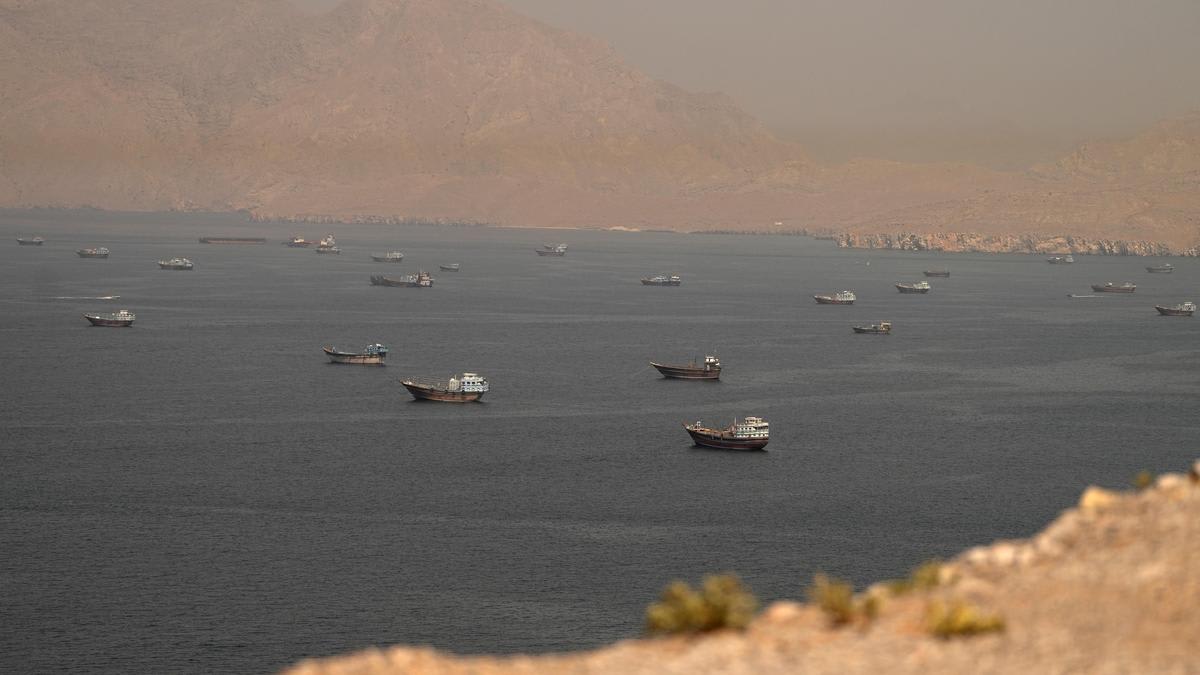
Maritime traffic through the Strait of Hormuz showed signs of recovery on Monday after a weekend of confusion, with ship-tracking data indicating vessels were again transiting the waterway despite Iran’s declaration that it had closed the critical oil chokepoint.
Iran’s Khatam al-Anbiya Central Headquarters announced on Saturday, June 20, that it was closing the Strait of Hormuz to vessel traffic, citing violations of a ceasefire agreement by the United States and Israel related to continued military operations in Lebanon. The IRGC Navy warned commercial vessels to “absolutely refrain from any movement” until further notice.theopscon
U.S. Central Command swiftly disputed the claim, stating that 55 merchant ships transited the strait on Saturday carrying more than 17 million barrels of oil. “Safe passage through the international waterway remained intact today,” CENTCOM said in a post on X. A Trump administration official later said 67 ships passed through on Saturday as the U.S. military escorted them.newsmax
Energy Secretary Chris Wright said Sunday on ABC’s “This Week” that oil flows through the strait were returning “back towards normal without any cooperation at all from Iran,” adding that this leverage brought Tehran to the negotiating table.justthenews
Despite official assurances, tracking data showed a dip in traffic. Kpler data recorded five vessels passing through on Sunday, down from 26 a day earlier, according to Reuters. However, The Wall Street Journal reported somewhat higher figures, citing 19 tankers on Saturday and 14 on Sunday.reuters
By Monday morning, traffic was picking up again. Reuters reported two crude tankers carrying nearly 2 million barrels traversed the strait, along with two supertankers entering the Gulf bound for Iraq’s Basra port. An AFP dispatch noted that Kpler had recorded 15 commodity ship transits by 1100 GMT Monday, with additional vessels detected on MarineTraffic. Four Qatari LNG carriers were also entering the strait for the first time since the war began in February.maritimereader
Oil prices moved sharply over the weekend before easing Monday. Brent crude futures rose as high as $82.30 intraday on the closure announcement before falling back. By Monday morning, Brent was trading lower as U.S.-Iran peace talks in Switzerland appeared to ease tensions.cnbc
The situation remains fragile. Although traffic volumes are recovering, they still fall well below the pre-war daily average of roughly 125 vessels. The closure announcement came just days after Iran’s own foreign ministry had confirmed shipping was proceeding normally under a June 18 memorandum of understanding, highlighting what one intelligence briefing called “an open-versus-closed split inside the same government”.euronews