Newsletter Subscribe
Enter your email address below and subscribe to our newsletter
Enter your email address below and subscribe to our newsletter

All voices matter
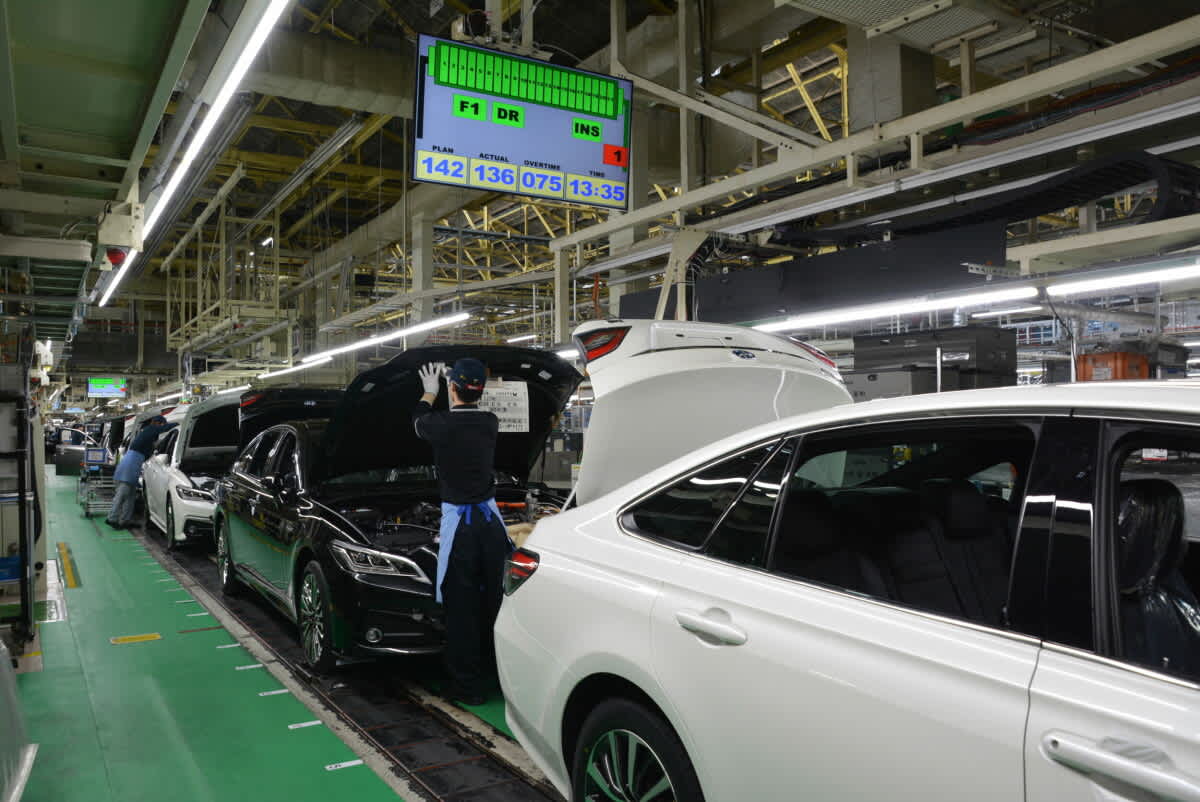
Toyota is scaling back overseas vehicle production by approximately 100,000 units through February 2027, according to reporting by Nikkei, as the automaker grapples with weakening demand and logistical disruptions tied to the de facto closure of the Strait of Hormuz.news18a
The latest reduction marks a third expansion of Toyota’s production cut plans this year. The company initially announced cuts of around 38,000 vehicles between May and November, then revised that figure upward to roughly 83,000 units in late May. The new target of 100,000 units extends the timeline through February and reflects worsening conditions in the Middle East and parts of Asia.mainichi
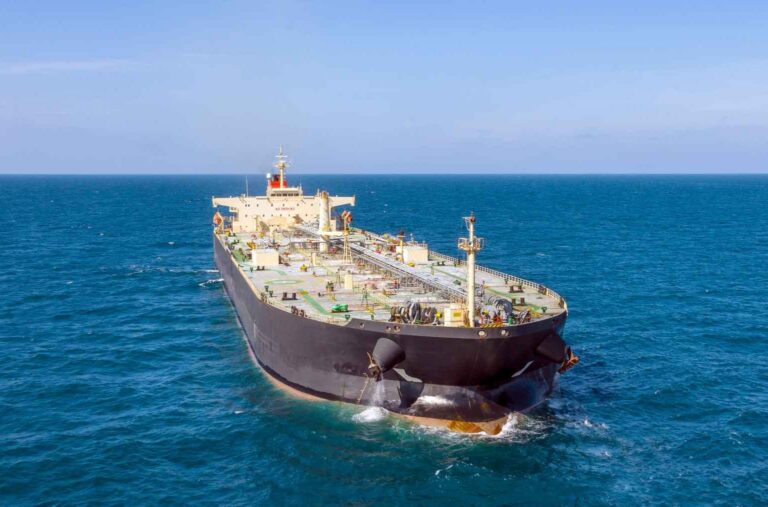
The production adjustments are driven largely by the ongoing disruption to one of the world’s most critical shipping lanes. Iran announced a renewed closure of the Strait of Hormuz on Sunday, June 21, citing Israeli strikes on southern Lebanon as a violation of a ceasefire agreement. The waterway normally facilitates roughly 20 percent of global oil transport.cnbc
While the U.S. military disputed Iran’s claims and said vessels continued to transit the strait, maritime intelligence firm Windward reported that traffic dropped to just 12 vessels on Sunday from over 21 the day before. The disruption has contributed to rising fuel prices and logistical bottlenecks that have suppressed consumer demand in affected markets.cnbc
The cuts primarily affect gasoline-powered models destined for Middle Eastern and Asian markets. Among the vehicles reportedly affected is the Avalon sedan, which Toyota continues to produce in China despite having discontinued the model in the United States in 2022.carbuzz
Toyota had previously signaled that the Iran conflict was reshaping its production planning. In May, Nikkei Asia reported that the automaker told suppliers to brace for sustained reductions tied to the Hormuz blockade, which has disrupted shipping routes for months.nikkei
The Strait of Hormuz has been at the center of global economic disruption since earlier this year, when Iran first restricted passage during its conflict with the United States and Israel. A memorandum of understanding signed last week between Washington and Tehran was meant to reopen the strait for at least 60 days, but that agreement appeared to fray within days as peace talks in Switzerland stalled on Sunday. Toyota’s expanding production cuts underscore how the conflict’s economic ripple effects continue to reach well beyond the energy sector.nypost