







Newsletter Subscribe
Enter your email address below and subscribe to our newsletter

Enter your email address below and subscribe to our newsletter
All voices matter
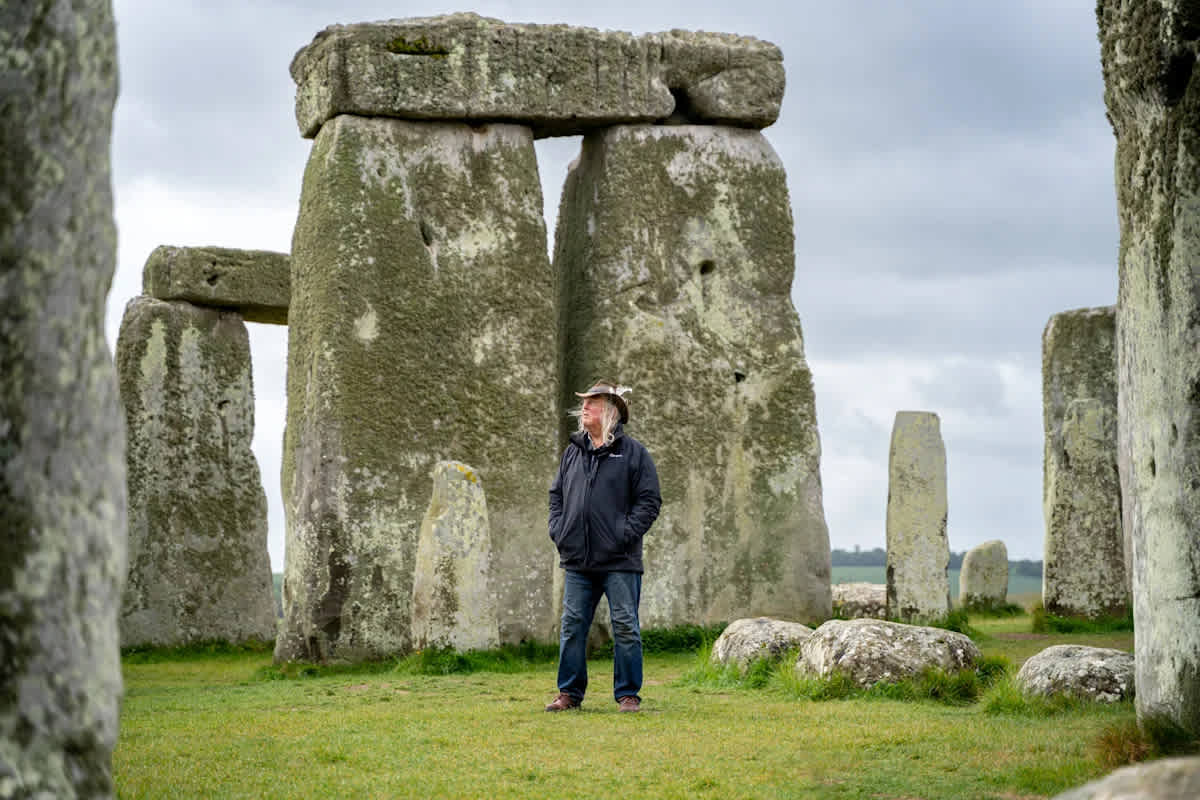
Archaeologists have announced the discovery of a 5,000-year-old timber structure near Bulford, Wiltshire, just five kilometres from Stonehenge, which they believe may have served as an early “prototype” for the iconic stone circle’s solstice alignments.
A team from Wessex Archaeology, led by 76-year-old archaeologist Phil Harding, revealed on Thursday that the structure consisted of two large wooden posts set 120 metres apart, aligned to point directly at the rising sun during the summer solstice and the setting sun at the winter solstice — the same astronomical orientations later embodied in Stonehenge’s famous stones. Radiocarbon dating places the monument at approximately 2950 BC, making it around 500 years older than the stone circle.bbc
The original excavation was carried out on a 13-hectare site between 2015 and 2017, uncovering 48 pits, but subsequent analysis confirmed the structure’s solstice alignment to within one degree. Harding described the posts as “bang on” in their orientation with the midsummer sunrise and midwinter sunset.rte
Though the timber posts have long since decayed, their large postholes remained preserved beneath the ground. Alongside the structural remains, archaeologists recovered pottery, flint tools, animal bones, and a rare disc-shaped knife, suggesting the site served as a focus for major religious gatherings.washingtonpost
The monument at Bulford coincides with the earliest activity phase at Stonehenge, when the first earthworks were being constructed — half a millennium before the famous stones were erected. Dr Matt Leivers of Wessex Archaeology called the discovery “fundamental” because it represents the earliest example of people building structures in the landscape aimed directly at the solstice.bbc
The announcement comes just days before thousands are expected to gather at Stonehenge for the summer solstice sunrise on June 21. Harding described the find as the most exciting of his career, offering new insight into how ancient communities first developed the solar alignments and ceremonial traditions that would later define Stonehenge.itv