







Newsletter Subscribe
Enter your email address below and subscribe to our newsletter

Enter your email address below and subscribe to our newsletter
All voices matter
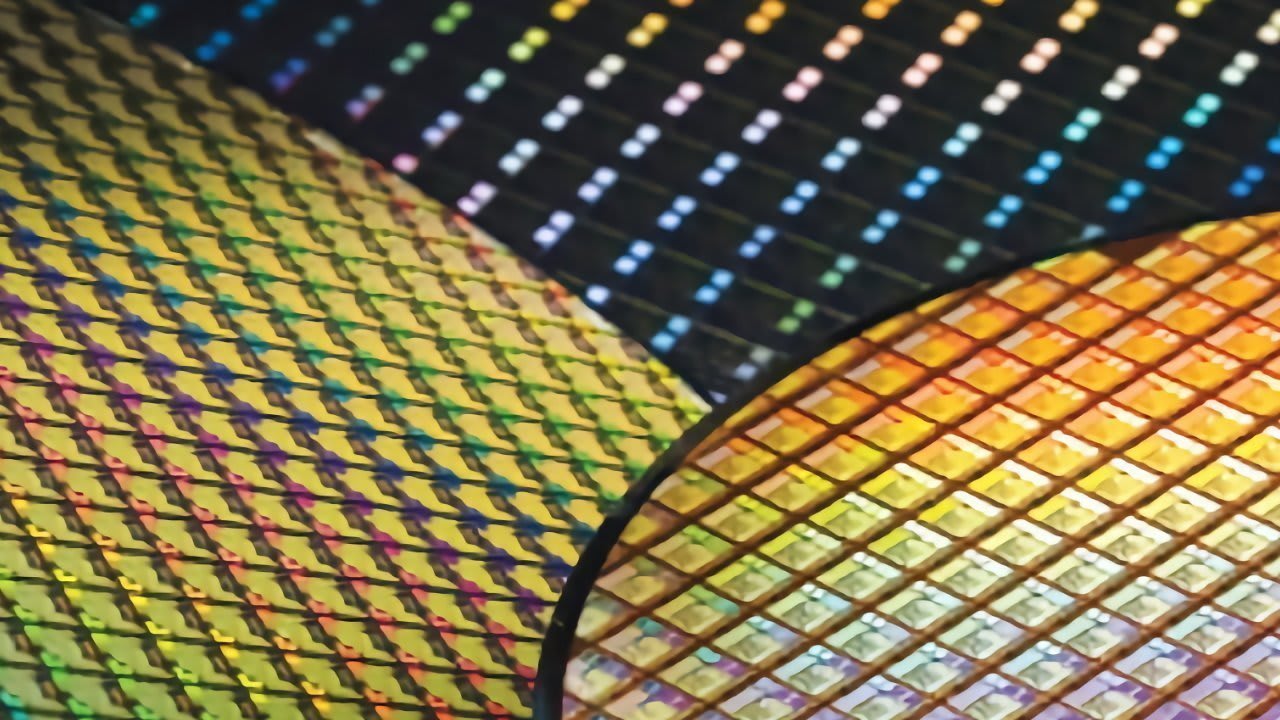
Apple is planning to equip its high-end 2028 iPhones with chips built on a 1.4-nanometer process, marking the next major leap in its mobile silicon roadmap. Bloomberg’s Mark Gurman reported on Monday that the A22 Pro processor will be manufactured primarily by TSMC, with Apple also evaluating Intel as a secondary supplier to diversify its supply chain.macrumors
The transition follows a measured cadence. Apple’s current iPhone 17 lineup uses TSMC’s third-generation N3P 3-nanometer process. The iPhone 18 Pro, iPhone 18 Pro Max, and a foldable iPhone expected in September 2026 will be the first Apple devices to use 2-nanometer chips via TSMC’s N2 node. Chips in 2027 are expected to remain on the 2nm process before the jump to 1.4nm in 2028.appleinsider
According to TSMC’s own disclosures, the 1.4nm A14 process node offers up to 15 percent better performance at the same power, or up to 30 percent lower power consumption at the same performance level compared to 2nm. TSMC unveiled the A14 node at its North America Technology Symposium in April 2025 and has begun constructing a dedicated facility known as Fab 25, with trial production targeted for early 2027 and volume production in the second half of 2028.macrumors
Gurman’s report indicates Apple is considering Intel for part of its chip production, though the scope of that collaboration remains unclear. Chinese tech outlet IT之家, citing the Bloomberg report, noted that Intel’s initial role could involve producing lower-end chips for iPad and Mac devices, with the possibility of handling non-Pro iPhone chips starting in 2028. Intel is developing its own 14A node targeting 1.4nm-class production by 2028.sina
The wafer cost for 1.4nm chips is expected to rise sharply, with estimates suggesting prices could reach $45,000 per wafer, which may explain why Apple is considering the advanced node only for its Pro-tier chips initially.163