




Newsletter Subscribe
Enter your email address below and subscribe to our newsletter

Enter your email address below and subscribe to our newsletter
All voices matter
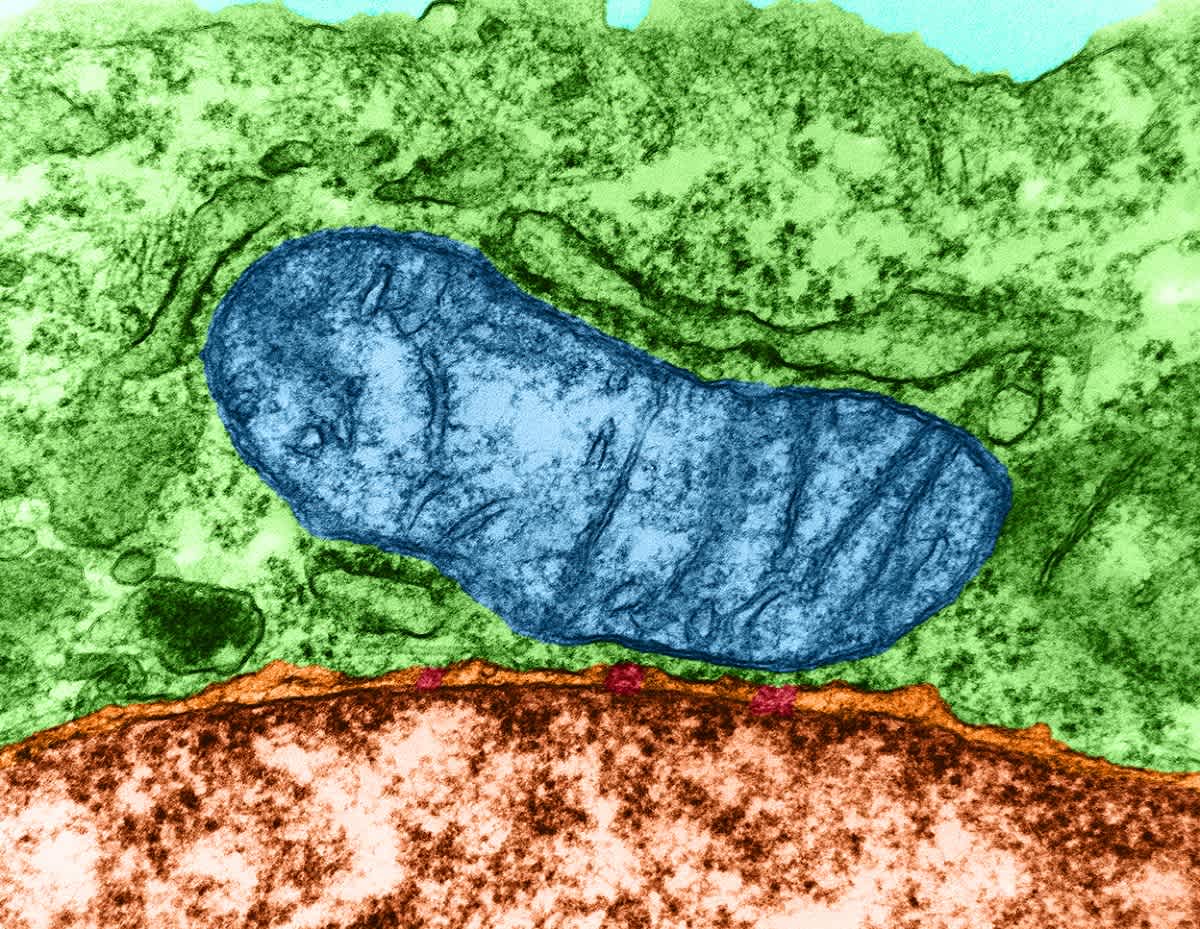
For decades, biologists assumed that the energy produced by mitochondria simply diffused throughout the cell until it reached wherever it was needed. A study published in Nature on June 10 upends that model, revealing that mitochondria physically plug into the nucleus through its pores, running what amounts to a private power line to the cell’s command center.eurekalert
An international team led by Ivan Menéndez-Montes, an assistant professor of medicine at the University of Arizona, and Hesham A. Sadek, director of the university’s Sarver Heart Center and a group leader at Spain’s Centro Nacional de Investigaciones Cardiovasculares (CNIC), used advanced microscopy, proteomics, genetic engineering, and animal models to show that mitochondria latch onto nuclear pore complexes through a direct interaction between the mitochondrial protein VDAC1 and the nuclear pore protein RANBP2.arizona
That physical link channels energy-rich molecules — including ATP — directly into the nucleus, supporting gene regulation, chromatin remodeling, transcription, and cellular differentiation. “The mitochondria and the nucleus have coordinated so much that they have developed a system in which the nucleus gets its own exclusive energy delivery service,” the researchers said in a CNIC statement.nature
The findings challenge the long-standing view that mitochondrial products diffuse freely through the cytoplasm before reaching the nucleus. Instead, the study establishes that the nucleus receives energy through direct physical contact — a mechanism the authors describe as a new paradigm in cell biology.eurekalert
A companion Nature commentary noted that the interaction “facilitates the direct transfer of energy-carrying metabolite molecules to support the energy-consuming process of cell differentiation, which is crucial in embryonic development.”nature
By revealing how the nucleus secures its energy supply, the discovery opens research avenues across multiple fields. The researchers say understanding how these mitochondria-nucleus connections are controlled could reshape work in cardiovascular disease, cancer, aging, and regenerative medicine — potentially explaining how hearts form, how disease takes hold, and how cells grow old.cnic