








Newsletter Subscribe
Enter your email address below and subscribe to our newsletter

Enter your email address below and subscribe to our newsletter
All voices matter
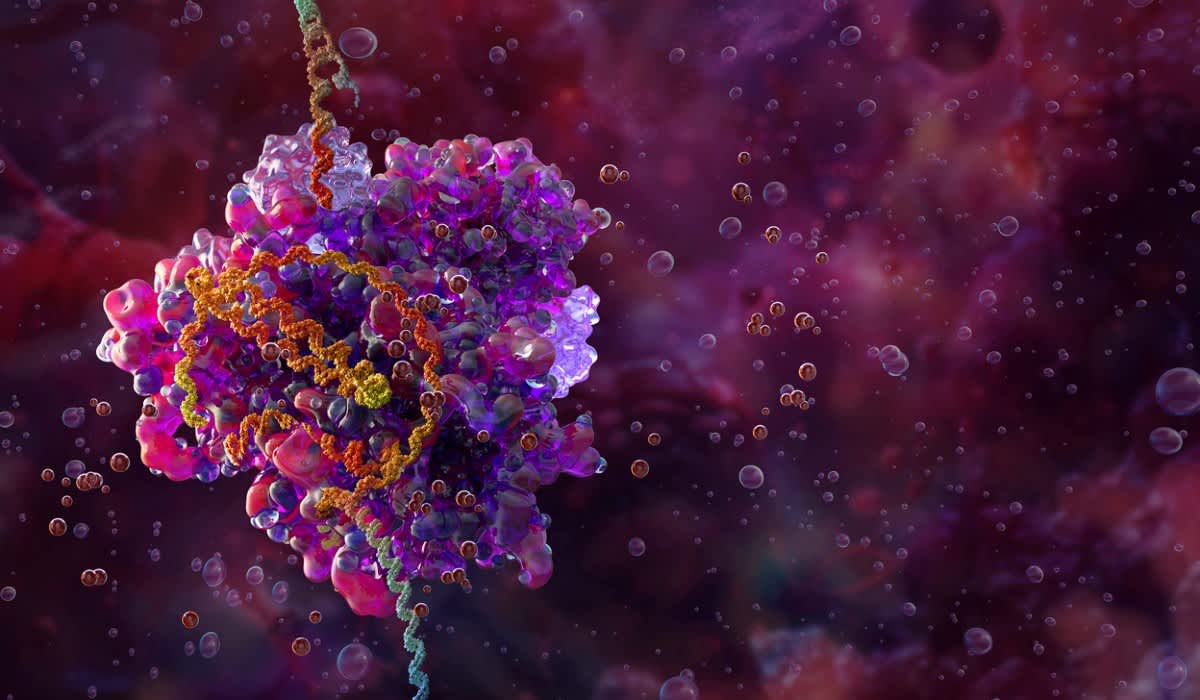
Scientists have engineered a CRISPR system that selectively destroys cancer cells by shredding their genetic material, offering a potential new weapon against some of the deadliest and most treatment-resistant tumors. The research, published in Nature on June 8, demonstrates that the approach can distinguish cancerous cells from healthy ones based on a single nucleotide difference — then obliterate only the diseased cells.ucsf
The study, led by first author Jingkun Zeng from Jennifer Doudna’s lab at the Innovative Genomics Institute, repurposes a CRISPR protein called Cas12a2 — not to edit genes, but to kill. Unlike the familiar Cas9 system that acts as molecular scissors for precise edits, Cas12a2 functions more like a paper shredder. Once it detects a target RNA sequence unique to cancer cells, the enzyme activates and begins slicing up all chromatin inside the cell, triggering irreversible DNA damage and cell death.gladstone
The team programmed the system to recognize mutant p53 mRNA transcripts. Mutations in the p53 tumor suppressor are found in nearly half of all cancers and up to 70–90 percent of cases of ovarian, pancreatic, and non-small cell lung cancer. Despite decades of effort, no approved drug targeting p53 exists, earning it the label “undruggable.”ucsf
“It’s the first time we managed to target p53 with such precision,” Zeng told GEN, noting that the system can distinguish cells differing by just one nucleotide.genengnews
In cell cultures containing both healthy and cancerous cells, the CRISPR-Cas12a2 system initiated chromatin shredding and cell death only when mutant RNA was present, leaving cells with the healthy version nearly entirely unharmed. The team then demonstrated therapeutic effectiveness in mouse models of lung and liver tumors.nature
“When people treat cancer with chemotherapy or radiotherapy, that’s essentially killing all the dividing cells in the body, including healthy cells,” Zeng said. “With this technology, it’s much, much more precise”.gladstone
The researchers say the system’s programmability is among its chief advantages. By swapping in new guide RNAs, scientists can rapidly adapt the technology to target different cancer mutations — a process far faster than developing new small-molecule drugs or antibodies. The approach can also be multiplexed to recognize multiple mutations simultaneously.genengnews
“Not only can this approach target the ‘undruggable’ cancers that we know, we can also easily and quickly adapt this to new mutations,” said Doudna, who received the 2020 Nobel Prize in Chemistry for co-discovering CRISPR-Cas9.gladstone
Delivery of the CRISPR system into targeted cells remains a challenge, one shared across gene-editing therapies. The team is now pursuing collaborations to apply the technology to additional cancer types, including brain, prostate, and ovarian cancers.genengnews