







Newsletter Subscribe
Enter your email address below and subscribe to our newsletter

Enter your email address below and subscribe to our newsletter
All voices matter
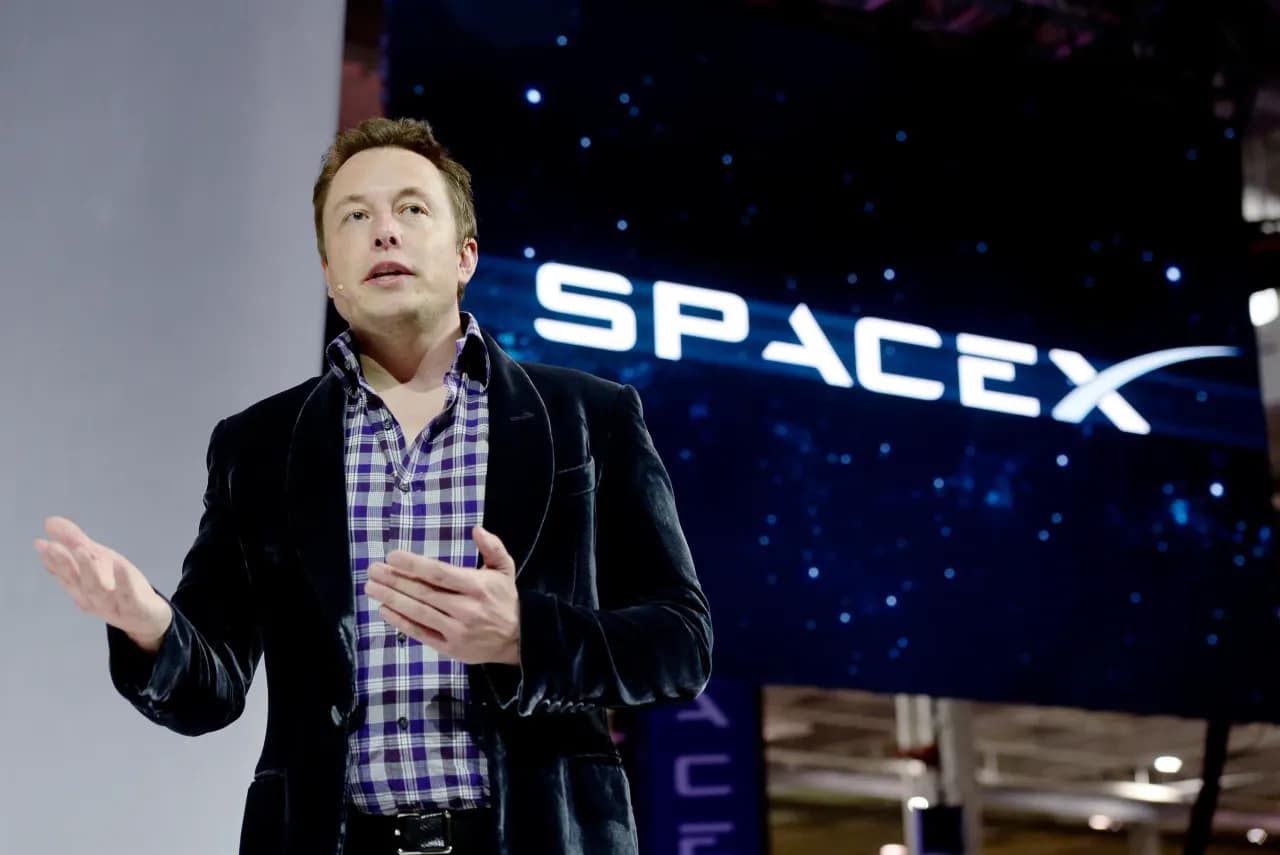
SpaceX launched 29 Starlink satellites aboard a Falcon 9 rocket from Cape Canaveral Space Force Station on Thursday morning, June 4, continuing the rapid expansion of a constellation that now numbers more than 10,400 spacecraft in low-Earth orbit. Elon Musk has outlined ambitions to grow the network tenfold to 100,000 next-generation satellites, a goal that would require additional regulatory clearance beyond SpaceX’s current authorizations.spaceflightnow
Starlink crossed the 10,000 active satellites threshold in March 2026, less than seven years after its first operational launch. The constellation now constitutes roughly 65% of all active satellites orbiting Earth. SpaceX has maintained a blistering launch cadence, with the June 4 mission marking at least the 51st Starlink flight of the year.scientificamerican
The Federal Communications Commission approved in January an expansion of SpaceX’s second-generation constellation, authorizing 7,500 additional Gen2 satellites. However, reaching 100,000 satellites — which Musk envisions deploying using V3 satellites launched on Starship — would require approvals well beyond the current cap. SpaceX separately filed an application in January to deploy up to one million satellites for orbital data centers dedicated to AI processing, a proposal that has drawn opposition from astronomers, space agencies, and other satellite operators worldwide.reddit
Starlink has become SpaceX’s dominant business. The satellite internet service generated approximately $11.4 billion in revenue in 2025, representing about 61% of SpaceX’s total $18.7 billion in revenue, according to reporting by The Information cited by Yahoo Finance. The division posted an adjusted EBITDA of $7.2 billion with margins approaching 63%, making it the company’s sole profitable segment.cnbc
Goldman Sachs, advising SpaceX ahead of a potential IPO that could value the company between $1.75 trillion and $2 trillion, projects total SpaceX revenue reaching $474 billion by 2030, driven largely by its AI satellite ambitions. The bank expects SpaceX’s AI division alone to generate $322 billion in revenue by the end of the decade, according to forecasts first reported by the Financial Times.stocktwits
The path to 100,000 satellites — let alone one million — faces headwinds. Space industry experts have warned that the economics of orbital AI data centers remain unproven at scale, with a study co-authored by Google researchers suggesting such systems may not become cost-competitive until the mid-2030s. The sheer scale of SpaceX’s ambitions has also prompted growing international concern about collision risks and the degradation of the night sky.forbes