







Newsletter Subscribe
Enter your email address below and subscribe to our newsletter

Enter your email address below and subscribe to our newsletter
All voices matter
The most prominent figures in artificial intelligence are retreating from earlier predictions of widespread job destruction, as public frustration with the industry intensifies and policymakers debate how to cushion workers from technological disruption.
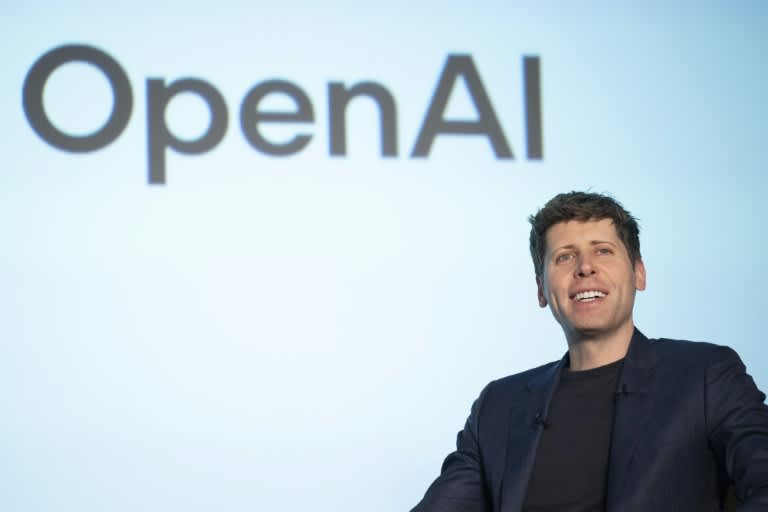
OpenAI CEO Sam Altman told attendees at a Commonwealth Bank of Australia conference in Sydney on Tuesday that AI’s rapid development would not lead to a global “jobs apocalypse,” acknowledging that his earlier forecasts had been wrong. “I expected there would be a more significant impact on entry-level white-collar jobs being removed by now than what has actually occurred,” Altman said, according to Reuters. He added that the “human part” of employment could not be replaced, even as AI assumes a larger role across industries.americanbazaaronline
Nvidia CEO Jensen Huang has also pushed back on the doom narrative. Speaking at a Milken Institute event earlier this month, Huang asserted that “AI creates jobs” and called the technology the United States’ “best opportunity to re-industrialize,” claiming AI had generated more than half a million jobs in recent years. He challenged companies citing AI efficiency as justification for layoffs, saying they needed to “show your work” on whether AI was actually the cause.thestreet
Dario Amodei, head of Anthropic, has also moderated his stance, recently suggesting that even in a scenario where 90 percent of job tasks are automated, the remaining work would be handled by far more productive human workers.yahoo
The softened rhetoric arrives alongside a flurry of policy proposals. In April, OpenAI published a 13-page blueprint titled “Industrial Policy for the Intelligence Age,” calling for robot taxes, a public wealth fund giving every American a stake in AI gains, and government-backed trials of a four-day workweek. The document proposed automatic triggers that would expand income support once AI-related displacement crosses defined thresholds.qz
Elon Musk offered a more direct prescription. “Universal HIGH INCOME via checks issued by the Federal government is the best way to deal with unemployment caused by AI,” he wrote on X in April, suggesting it would be funded by an “increase in the money supply” driven by AI and robotics. Critics, including Reason magazine, argued such a scheme could worsen the joblessness it aims to prevent. The Hill characterized the proposal as serving “tech oligarchs more” than displaced workers.reason
Federal Reserve Governor Lisa Cook offered a more cautious assessment on Tuesday in a speech at Stanford University. “We might be nearing the most substantial reorganization of work in generations,” she said, warning that job losses could arrive before benefits materialize. Still, she noted that most businesses have not yet used AI to fundamentally reorganize work.federalreserve
The U.S. unemployment rate stood at 4.3 percent in March, and the economy added 178,000 jobs that month. While tech-sector layoffs have mounted — with Amazon cutting 16,000 roles and Microsoft eliminating more than 15,000 positions citing AI efficiency — broader labor market disruption has so far remained limited.epicforamerica